Cummins QSC Marine Engine Spare Parts
What Is the Cummins QSC Marine Engine?
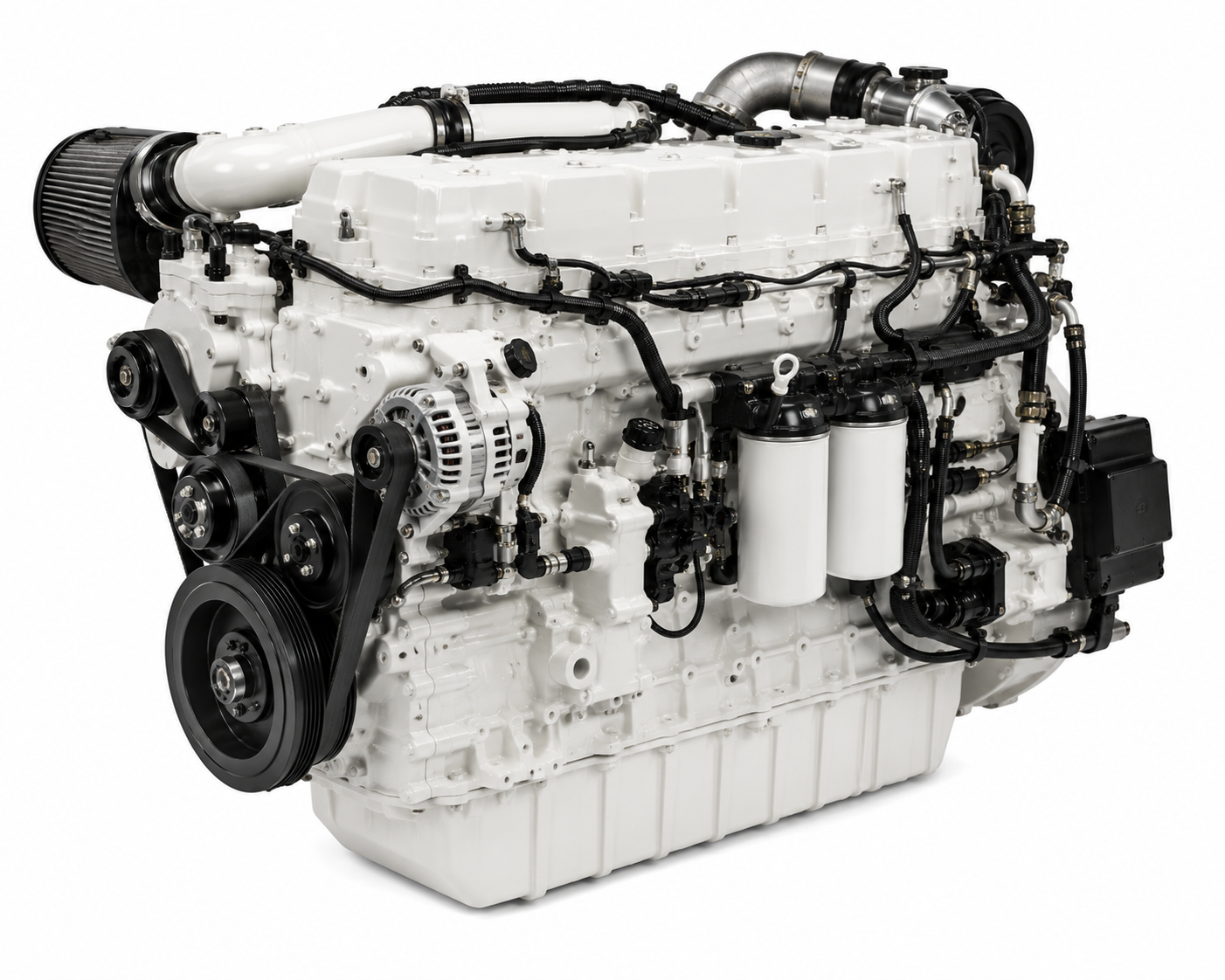
The Cummins QSC Marine Engine is a high-performance, electronically controlled 8.3-litre inline six-cylinder marine diesel engine engineered to deliver exceptional power, fuel efficiency, and durability. Developed for both commercial and recreational marine applications, the QSC combines advanced electronic controls with Cummins' proven engineering to provide dependable propulsion in demanding marine environments.
The engine features a High Pressure Common Rail (HPCR) fuel system, advanced electronic engine management, turbocharging with seawater aftercooling, and an efficient freshwater cooling system. These technologies enable the Cummins QSC to deliver fast throttle response, excellent torque, low fuel consumption, and compliance with modern marine emissions standards.
The Cummins QSC is widely installed in patrol boats, pilot boats, passenger ferries, crew transfer vessels, commercial fishing vessels, offshore support craft, workboats, sport fishing boats, and luxury yachts where reliability and performance are essential.
At Alfa Marine Spare Parts, we supply a complete range of OEM, genuine, aftermarket, and remanufactured Cummins QSC marine engine spare parts for routine maintenance, emergency repairs, and complete engine overhauls.
Cummins QSC Marine Engine Technical SpecificationsSpecificationDetailsEngine TypeFour-stroke marine diesel engineEngine FamilyCummins QSCConfigurationInline 6-cylinderDisplacement8.3 LitresFuel SystemHigh Pressure Common Rail (HPCR)AspirationTurbocharged and seawater aftercooledCooling SystemClosed freshwater cooling with seawater heat exchangerElectronic ControlsECM controlledApplicationsMarine propulsion and auxiliary powerCummins QSC Marine Engine Models
The Cummins QSC marine engine is available in several power ratings, including:
- Cummins QSC 490
- Cummins QSC 500
- Cummins QSC 540
- Cummins QSC 550
- Cummins QSC 600
Different ratings are available for commercial-duty vessels and high-performance recreational craft.
Marine Applications
The Cummins QSC Marine Engine is commonly installed in:
- Commercial fishing vessels
- Passenger ferries
- Crew transfer vessels
- Pilot boats
- Patrol boats
- Offshore support vessels
- Workboats
- Tugboats
- Government vessels
- Coast Guard vessels
- Fireboats
- Sport fishing boats
- Luxury yachts
- Fast patrol craft
- Marine generator sets
Its combination of high torque, compact design, and fuel efficiency makes it an excellent choice for demanding marine propulsion systems.
Why Is the Cummins QSC Marine Engine So Popular?
The Cummins QSC is trusted by marine operators worldwide because it offers:
- Excellent power-to-weight ratio
- High-pressure common rail fuel technology
- Outstanding fuel economy
- Fast throttle response
- Low exhaust emissions
- Reliable electronic engine controls
- Long maintenance intervals
- Worldwide Cummins support
- Proven commercial durability
- Low lifecycle operating costs
These qualities make the Cummins QSC one of the most respected engines in its power class.
Major Components of the Cummins QSC Marine Engine
The Cummins QSC consists of precision-engineered components designed to withstand continuous marine operation.
High Pressure Common Rail Fuel System
The HPCR fuel system precisely controls fuel delivery for improved combustion, increased efficiency, reduced emissions, and smooth engine operation.
Routine inspections include:
- Fuel injectors
- High-pressure fuel pump
- Fuel rail
- Fuel pressure sensors
- Fuel lines
Fuel Injectors
Electronically controlled fuel injectors provide precise fuel atomization for efficient combustion.
Routine servicing helps maintain:
- Fuel economy
- Smooth engine performance
- Reliable starting
- Reduced smoke emissions
High-Pressure Fuel Pump
The fuel pump supplies fuel to the common rail at extremely high pressure.
Routine inspections help prevent pressure loss and protect the injection system.
Turbocharger
The turbocharger increases intake air pressure, improving engine performance, fuel economy, and combustion efficiency.
Routine maintenance includes inspection of:
- Bearings
- Shaft movement
- Compressor wheel
- Turbine housing
- Lubrication system
Charge Air Cooler
The charge air cooler reduces compressed intake air temperature before combustion, improving engine efficiency and lowering exhaust temperatures.
Cylinder Head
The cylinder head contains:
- Intake valves
- Exhaust valves
- Fuel injectors
- Cooling passages
- Combustion chambers
Routine inspections help identify valve wear, gasket failures, and cooling issues before major engine damage occurs.
Pistons
Heavy-duty pistons convert combustion pressure into mechanical power while withstanding high temperatures and loads.
Cylinder Liners
Cylinder liners provide a replaceable wear surface that maintains compression and extends engine life.
Connecting Rods
Connecting rods transfer combustion forces from the pistons to the crankshaft while maintaining smooth engine operation.
Crankshaft
The forged steel crankshaft converts piston movement into rotational power for marine propulsion.
Camshaft
The camshaft synchronizes valve timing and fuel injection events for maximum engine efficiency.
Fresh Water Pump
The freshwater pump circulates coolant through the engine block and cylinder head to maintain stable operating temperatures.
Sea Water Pump
The seawater pump circulates seawater through the heat exchanger, efficiently removing engine heat.
Heat Exchanger
The heat exchanger transfers heat from the freshwater cooling circuit to seawater, preventing engine overheating.
Lubrication System
The lubrication system includes:
- Oil pump
- Oil cooler
- Oil filters
- Pressure relief valve
- Oil galleries
This system reduces friction, dissipates heat, and protects internal engine components from premature wear.
Why Preventive Maintenance Matters
The Cummins QSC Marine Engine is built for dependable long-term service, but routine maintenance remains essential for achieving maximum reliability. Regular inspection of the HPCR fuel system, turbocharger, cooling system, lubrication system, and internal engine components helps improve fuel efficiency, reduce operating costs, and minimize unexpected downtime.