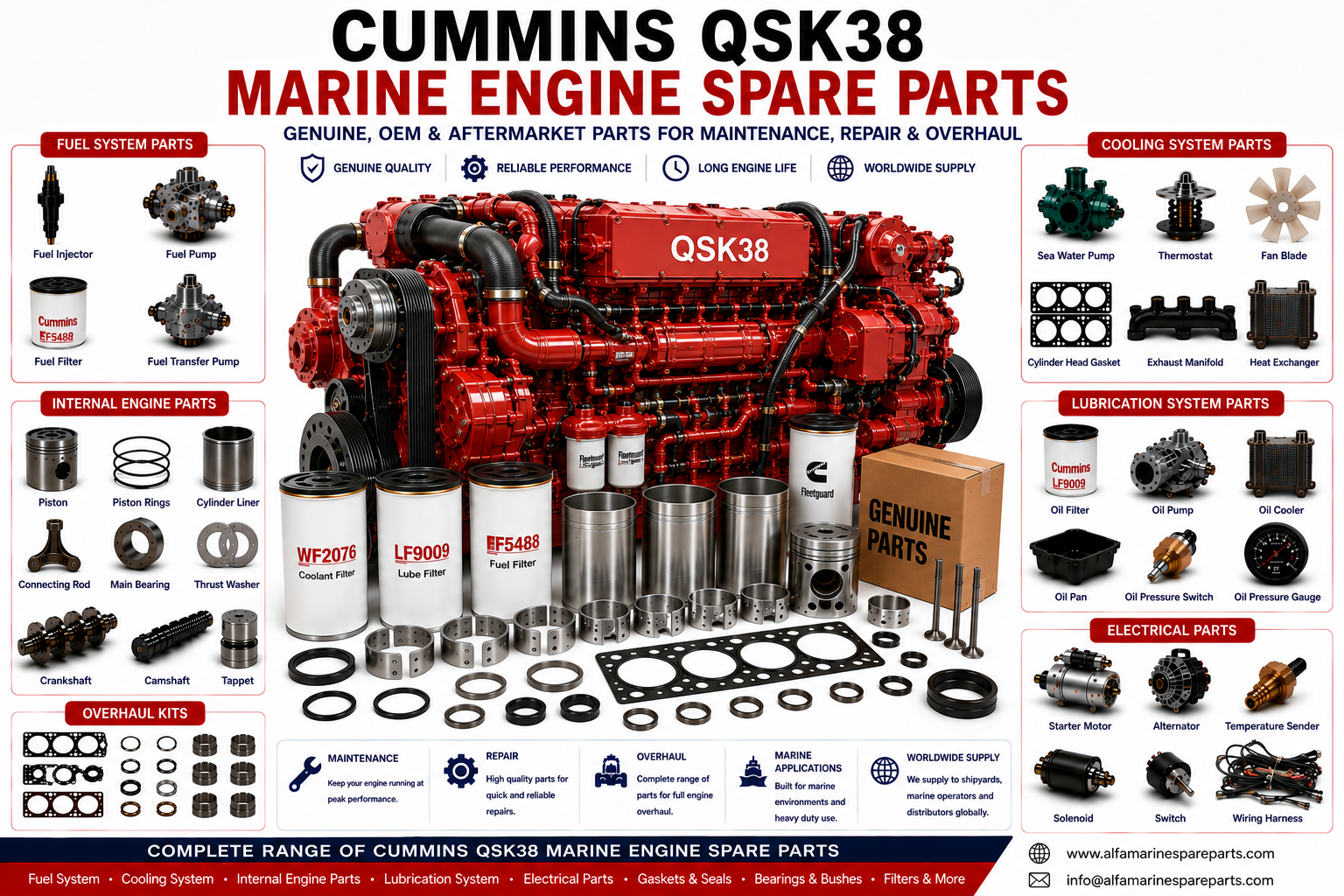

Cummins QSK38 Marine Engine Parts
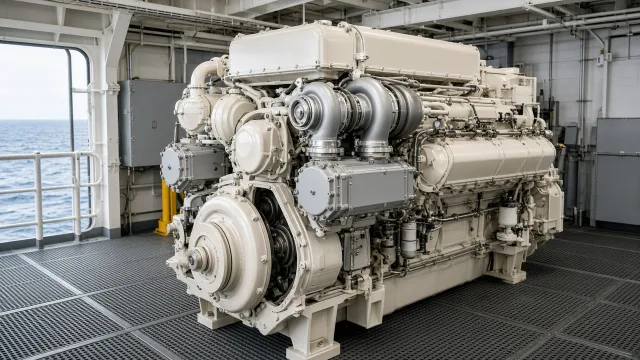
The Cummins QSK38 Marine Engine is a heavy-duty V12 marine diesel engine designed for demanding propulsion and auxiliary applications. The QSK38 platform has approximately 37.7–38 liters displacement and combines turbocharging, aftercooling, electronic engine management and high-capacity fuel delivery. Current marine configurations are offered across multiple duty ratings and emissions arrangements.
The QSK38 is commonly used where vessels require high power, strong torque and long operating hours.
Typical marine applications can include:
- Tugboats
- Push Boats
- Commercial Workboats
- Offshore Support Vessels
- Fishing Vessels
- Passenger Vessels
- Ferries
- Patrol Vessels
- Government Vessels
- Crew Boats
- Utility Vessels
- Tankers
- Large Commercial Vessels
- Marine Auxiliary Applications
- Generator Applications Where Applicable
Current Cummins commercial-marine information identifies the QSK38 as a V12 38-liter platform, with marine propulsion ratings varying according to engine configuration and emissions specification
As a QSK38 accumulates operating hours, accurate spare-parts identification becomes increasingly important.
An engine currently in marine service may already have undergone:
- Fuel Injector Replacement
- Fuel Pump Repair
- High-Pressure Fuel-System Repair
- Turbocharger Replacement
- Aftercooler Repair
- Freshwater Pump Replacement
- Marine Seawater Pump Replacement
- Heat Exchanger Repair
- Oil Cooler Repair
- Cylinder Head Repair
- Piston and Ring Replacement
- Bearing Replacement
- Sensor Replacement
- Wiring-Harness Repair
- Engine Control Repair
- Starter Motor Replacement
- Alternator Replacement
- Partial Engine Overhaul
- Complete Engine Overhaul
Because of this repair history, ordering a component simply as a “Cummins QSK38 part” may not always provide enough information to identify the correct replacement.
For accurate parts identification, provide as much information as possible:
- Exact Engine Model
- Engine Serial Number
- Photograph of the Engine Identification Plate
- Existing Part Number
- Component Manufacturer Number Where Applicable
- Engine Rating
- Part Description
- Quantity Required
- Clear Component Photographs
- Vessel Application
Alfa Marine Spare Parts supports Cummins QSK38 Marine Engine Spare Parts requirements for maintenance, repair and major engine overhaul.
Depending on availability, supply options can include:
- Genuine Parts
- OEM-Quality Components
- Selected Aftermarket Parts
- Remanufactured Components
- Routine Maintenance Parts
- Repair Components
- Overhaul Parts
What Is the Cummins QSK38 Marine Engine?
The Cummins QSK38 is a heavy-duty V12, four-stroke diesel engine with approximately 37.7 liters displacement.
Its major characteristics include:
- V12 Cylinder Configuration
- Four-Stroke Diesel Operation
- Approximately 37.7–38-Liter Displacement
- Turbocharging
- Aftercooling
- Electronic Engine Management
- High-Pressure Fuel Delivery
- Liquid Cooling
- Pressure Lubrication
- Heavy-Duty Marine Construction
Cummins lists current QSK38 marine configurations as V12 four-stroke diesels, with turbocharging and aftercooling.
Major engine systems and assemblies can include:
- Cylinder Block
- Cylinder Heads
- Pistons
- Piston Rings
- Piston Pins
- Connecting Rods
- Crankshaft
- Main Bearings
- Connecting Rod Bearings
- Camshaft Components
- Valve-Train Components
- Fuel Injectors
- Fuel Pump Components
- Fuel Control Components
- High-Pressure Fuel Components
- Turbocharger Components
- Aftercooler Components
- Air Intake System
- Exhaust System
- Freshwater Cooling System
- Lubrication System
- Electronic Sensors
- Engine Wiring Harness
- Engine Control Components
- Starter Motors
- Alternators
Depending on the vessel installation, additional marine equipment can include:
- Marine Seawater Pumps
- Heat Exchangers
- Oil Coolers
- Raw-Water Pipework
- Cooling Hoses
- Marine Exhaust Components
- Vessel-Specific Accessories
Cummins QSK38 Technical InformationTechnical InformationCummins QSK38Engine FamilyQSKEngine ModelQSK38Engine TypeMarine DieselCylinder ArrangementV12Engine CycleFour-StrokeDisplacementApprox. 37.7–38 LBoreApprox. 159 mmStrokeApprox. 159 mmAspirationTurbochargedCharge-Air SystemAftercooledFuel ControlElectronicFuel TypeDieselCoolingLiquid CooledLubricationPressure LubricationTypical ApplicationCommercial Marine / Auxiliary
Cummins documentation for the QSK38 platform identifies a 159 mm bore, 159 mm stroke and approximately 37.7–38 liters displacement.
Exact horsepower, rated rpm, emissions configuration, turbocharger specification, cooling arrangement and electronic configuration can vary according to the individual engine.
For parts ordering, the Engine Serial Number should always be used whenever available.
What Does QSK38 Mean?
The model designation identifies the engine family and approximate displacement.
QSK → QSK Engine Family
38 → Approximately 38-Liter Engine Class
This distinction matters because QSK38 components should not automatically be assumed to interchange with:
- QSK19 Engines
- QSK50 Engines
- QSK60 Engines
- KTA38 Engines
- Other Cummins Heavy-Duty Engine Families
Even where engines share similar architecture or displacement, their fuel systems, electronics, turbocharger arrangements, cooling systems and internal components can differ.
Is the Cummins QSK38 the Same as the Cummins KTA38?
No.
Although both are large-displacement Cummins V12 diesel engines in the approximately 38-liter class, they are different engine platforms.
Differences can affect:
- Fuel Injectors
- Fuel Pumps
- Fuel-System Components
- Electronic Controls
- Sensors
- Wiring Harnesses
- Turbocharger Components
- Aftercooler Components
- Cylinder Head Components
- Cooling Components
- Gaskets
- Electrical Equipment
- Marine Accessories
A replacement component should therefore not be selected simply because both engines belong to the 38-liter class.
Is the QSK38 Marine Engine the Same as a QSK38 Industrial Engine?
Not automatically.
Marine and industrial versions can share core QSK38 architecture, but the complete installation can differ significantly.
Marine configurations can have different:
- Engine Ratings
- Duty Cycles
- Cooling Arrangements
- Exhaust Systems
- Electronic Calibrations
- Turbocharger Configurations
- Fuel-System Arrangements
- Marine Accessories
- Mounting Systems
- Control Systems
- Emissions Equipment
The replacement component should therefore be matched to the actual marine Engine Serial Number and configuration.
Why Is Correct Cummins QSK38 Parts Identification Important?
Imagine two vessels operating QSK38 engines.
The first may remain relatively close to its original configuration.
The second may already have undergone:
- Injector Replacement
- Fuel Pump Repair
- Turbocharger Replacement
- Aftercooler Repair
- Cylinder Head Repair
- Freshwater Pump Replacement
- Seawater Pump Replacement
- Heat Exchanger Repair
- Sensor Replacement
- Wiring-Harness Repair
- Engine Control Repair
- Starter Motor Replacement
- Alternator Replacement
- Internal Engine Overhaul
Both engines may still be described as Cummins QSK38, but that does not automatically mean every currently installed component is identical.
Useful identification information includes:
- Complete Engine Model
- Engine Serial Number
- Engine Identification Plate
- Existing Part Number
- Component Manufacturer Number
- Casting Number Where Available
- Engine Rating
- Electrical Connector Details Where Applicable
- Clear Photographs
Why Is the Cummins Engine Serial Number Important?
The QSK38 model identifies the general engine family.
The Engine Serial Number — ESN — helps identify the individual engine more precisely.
This becomes particularly important when identifying:
- Fuel Injectors
- Fuel Pump Components
- High-Pressure Fuel Components
- Turbocharger Components
- Electronic Sensors
- Engine Control Components
- Freshwater Pumps
- Marine Seawater Pumps
- Heat Exchangers
- Cylinder Head Components
- Pistons
- Bearings
- Starter Motors
- Alternators
A useful starting combination is:
Engine Model + Engine Serial Number + Existing Part Number
What Cummins QSK38 Marine Engine Spare Parts Are Available?
Depending on engine configuration and availability, requirements can range from individual maintenance components to complete engine-overhaul parts.
Major categories can include:
- Fuel-System Parts
- Fuel Injectors
- Fuel Pump Components
- High-Pressure Fuel Components
- Turbocharger Parts
- Aftercooler Parts
- Air Intake Parts
- Exhaust Parts
- Cooling-System Parts
- Freshwater Pump Parts
- Marine Seawater Pump Parts
- Heat Exchanger Parts
- Oil Cooler Parts
- Lubrication-System Parts
- Cylinder Head Parts
- Pistons and Piston Rings
- Connecting Rod Components
- Main Bearings
- Connecting Rod Bearings
- Crankshaft Components
- Camshaft Components
- Gaskets and Seals
- Electronic Sensors
- Wiring Components
- Engine Control Components
- Starter Motors
- Alternators
- Overhaul Components
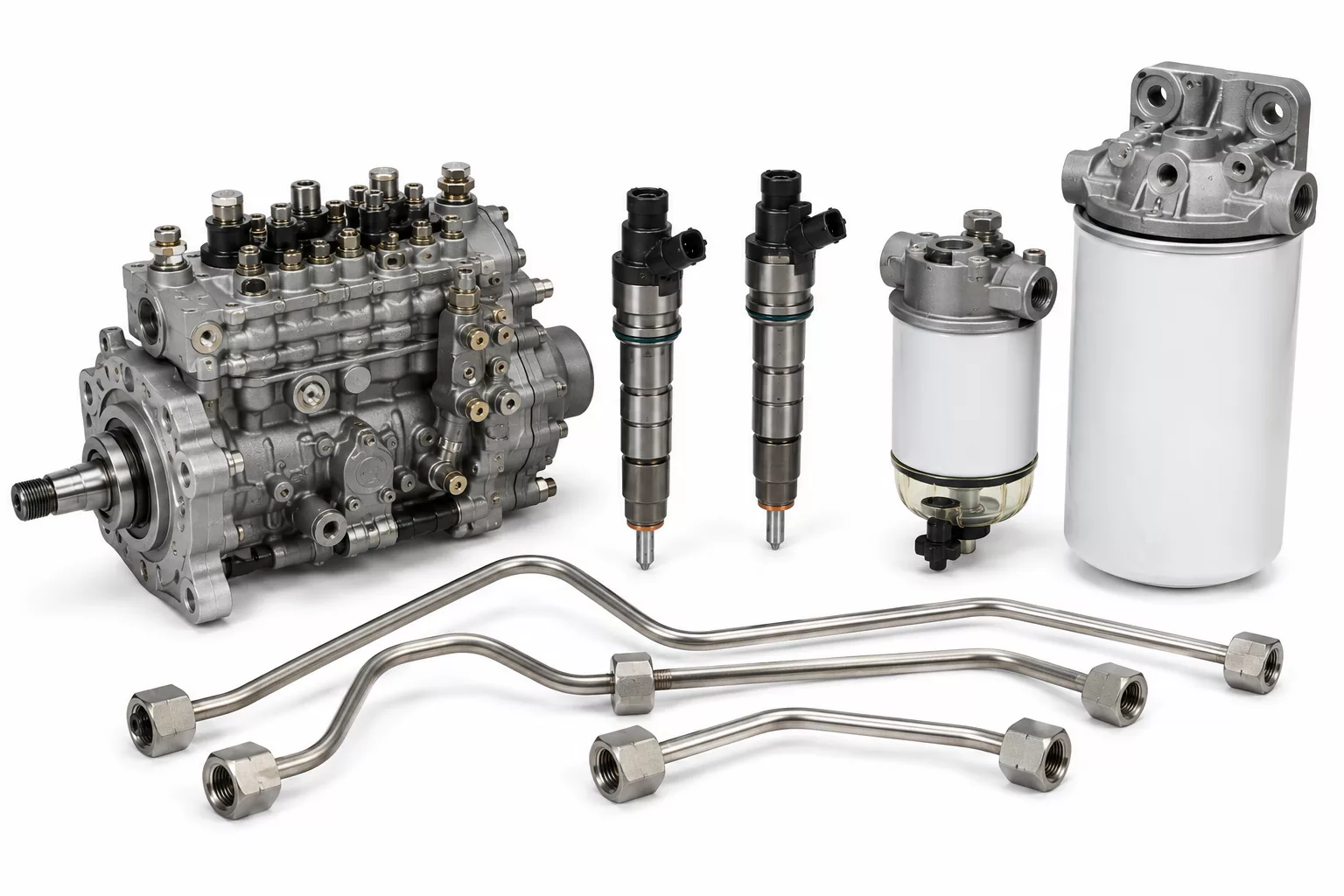
Cummins QSK38 Fuel-System Parts
Potential requirements can include:
- Fuel Injectors
- Injector Components
- Fuel Pump Components
- Fuel Control Components
- High-Pressure Fuel Components
- Fuel Pressure Components
- Fuel Supply Components
- Fuel Transfer Components
- Fuel Filters
- Fuel-Water Separator Elements
- Fuel Lines
- Fuel Return Components
- Injector Seals
- O-Rings
- Gaskets
What Are Signs of a Possible QSK38 Fuel-System Problem?
Possible symptoms can include:
- Difficult Starting
- Extended Cranking
- Rough Running
- Uneven Cylinder Performance
- Reduced Engine Power
- Poor Acceleration
- Increased Exhaust Smoke
- Increased Fuel Consumption
- Fault Codes
- Engine Derating
These symptoms do not automatically confirm injector or fuel-pump failure.
Similar symptoms can also result from:
- Restricted Fuel Filters
- Contaminated Fuel
- Low Fuel Supply
- Air Entering the Fuel System
- Fuel Control Problems
- Sensor Problems
- Electrical Problems
- Turbocharger Problems
- Air-System Problems
- Low Compression
Diagnosis should come before replacement.
Cummins QSK38 Fuel Injectors
Potential requirements can include:
- Complete Fuel Injectors
- Injector Components
- Injector Sealing Components
- Injector Connections
- Injector Hardware
- Related Fuel Components
One Cylinder Is Running Differently — Should All 12 Injectors Be Replaced?
Not automatically.
If one cylinder behaves differently from the other eleven, investigate that cylinder first.
Possible areas can include:
- Injector Performance
- Injector Electrical Connection
- Fuel Delivery
- Cylinder Compression
- Intake Valve Condition
- Exhaust Valve Condition
- Piston Condition
- Piston Ring Condition
- Cylinder Condition
- Wiring Condition
Replacing all twelve injectors will not correct a mechanical or electrical problem affecting only one cylinder.
Why Is Fuel Cleanliness Important on the QSK38?
The QSK38 uses precision fuel-system components that depend on clean fuel and correct filtration.
Contamination can contribute to:
- Injector Wear
- Fuel Pump Wear
- Fuel Control Problems
- Restricted Fuel Filters
- Difficult Starting
- Reduced Engine Performance
- Increased Smoke
- Expensive Fuel-System Repairs
Clean fuel handling and correct filtration are therefore important.
Cummins QSK38 Fuel Pump and High-Pressure Fuel Parts
Potential requirements can include:
- Fuel Pump Components
- High-Pressure Fuel Components
- Fuel Control Components
- Fuel Pressure Components
- Fuel Supply Components
- Fuel Transfer Components
- Fuel Lines
- Fuel Connections
- Sensors
- Seals
- O-Rings
- Gaskets
Does a Fuel-Related Fault Mean the QSK38 Fuel Pump Has Failed?
Not automatically.
Possible causes can include:
- Restricted Fuel Filters
- Low Fuel Supply
- Air Entering the Fuel System
- Contaminated Fuel
- Injector Problems
- Sensor Problems
- Fuel Control Problems
- Wiring Problems
- Electrical Supply Problems
- Fuel Pump Wear
The complete fuel system should be investigated before an expensive component is replaced.
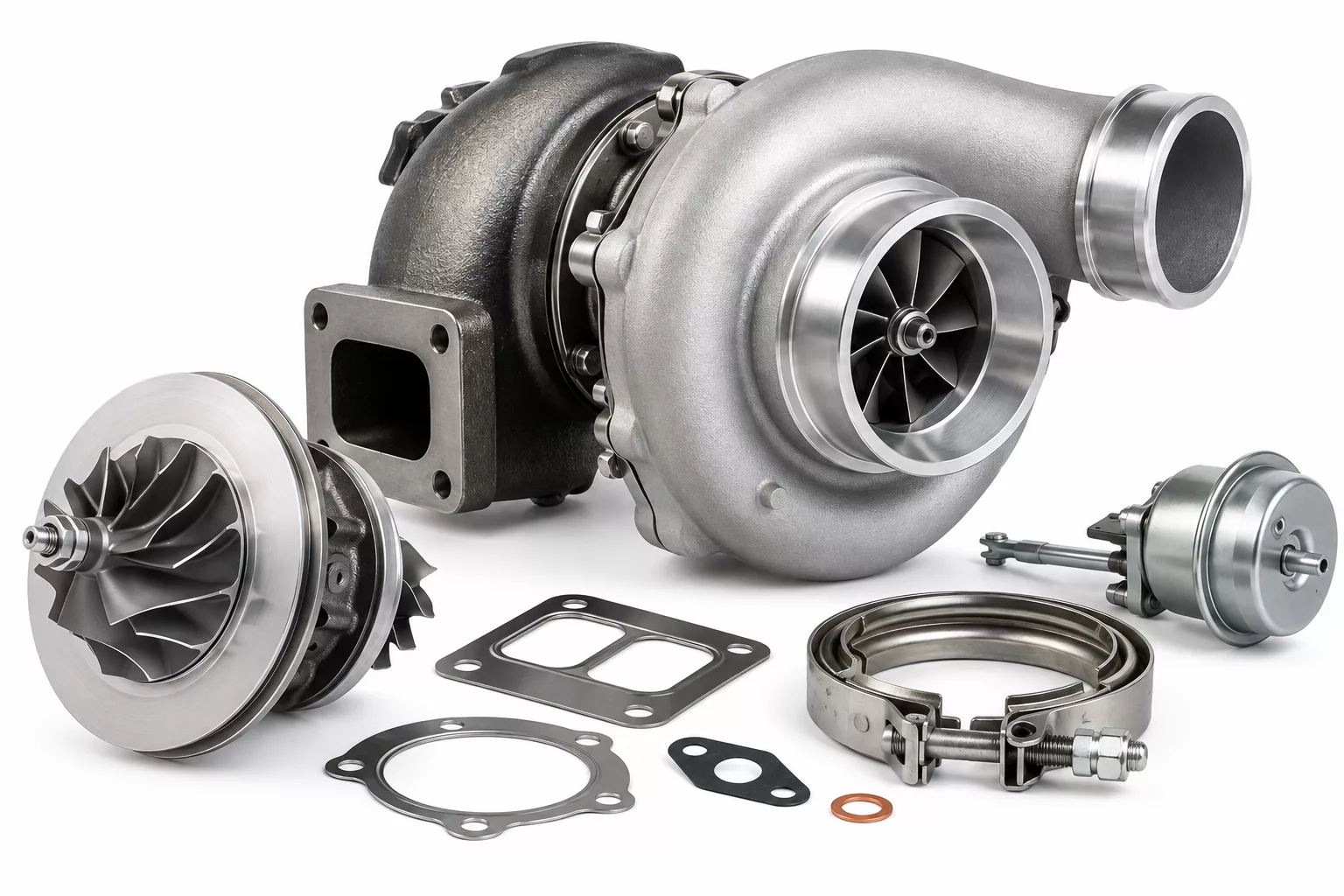
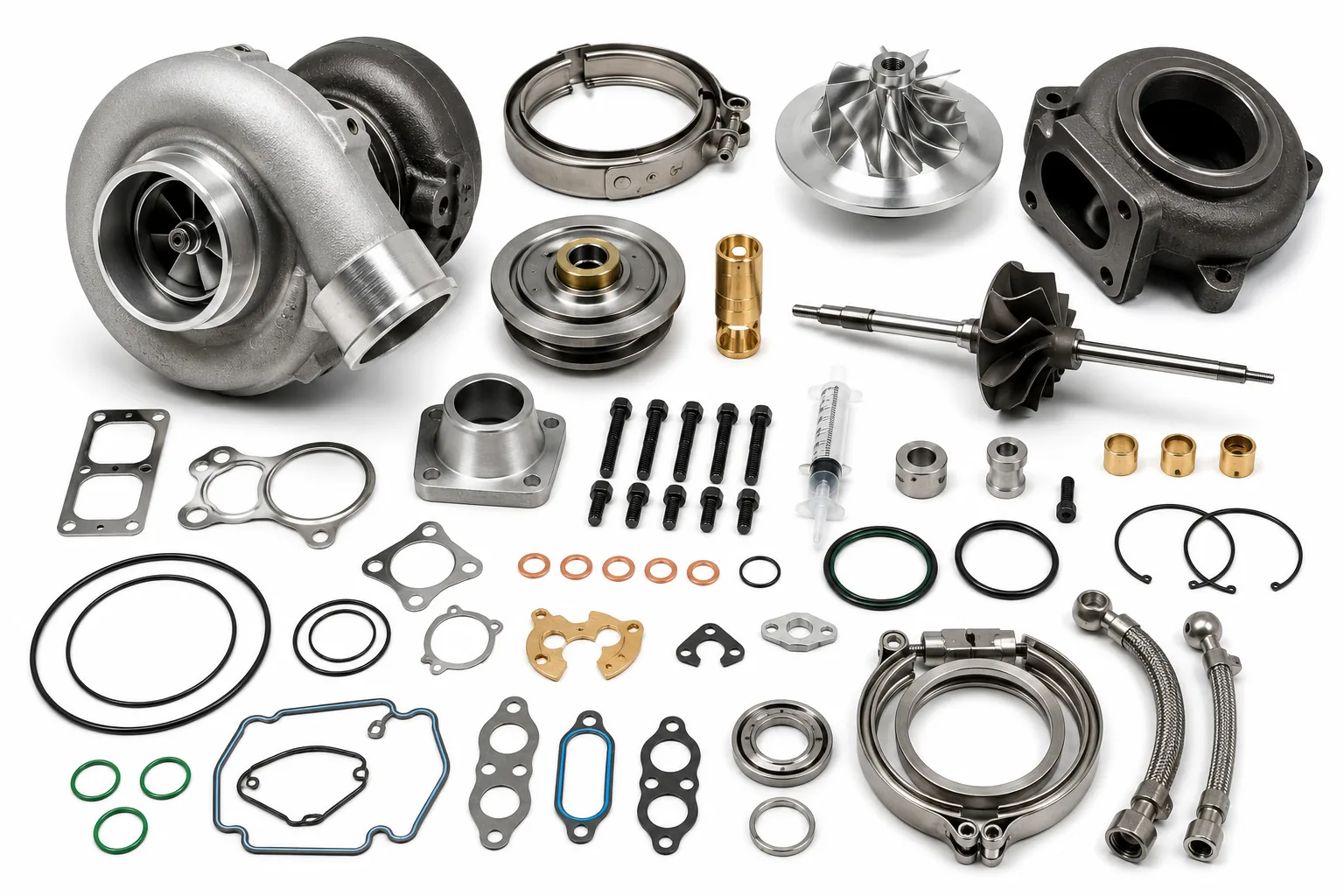
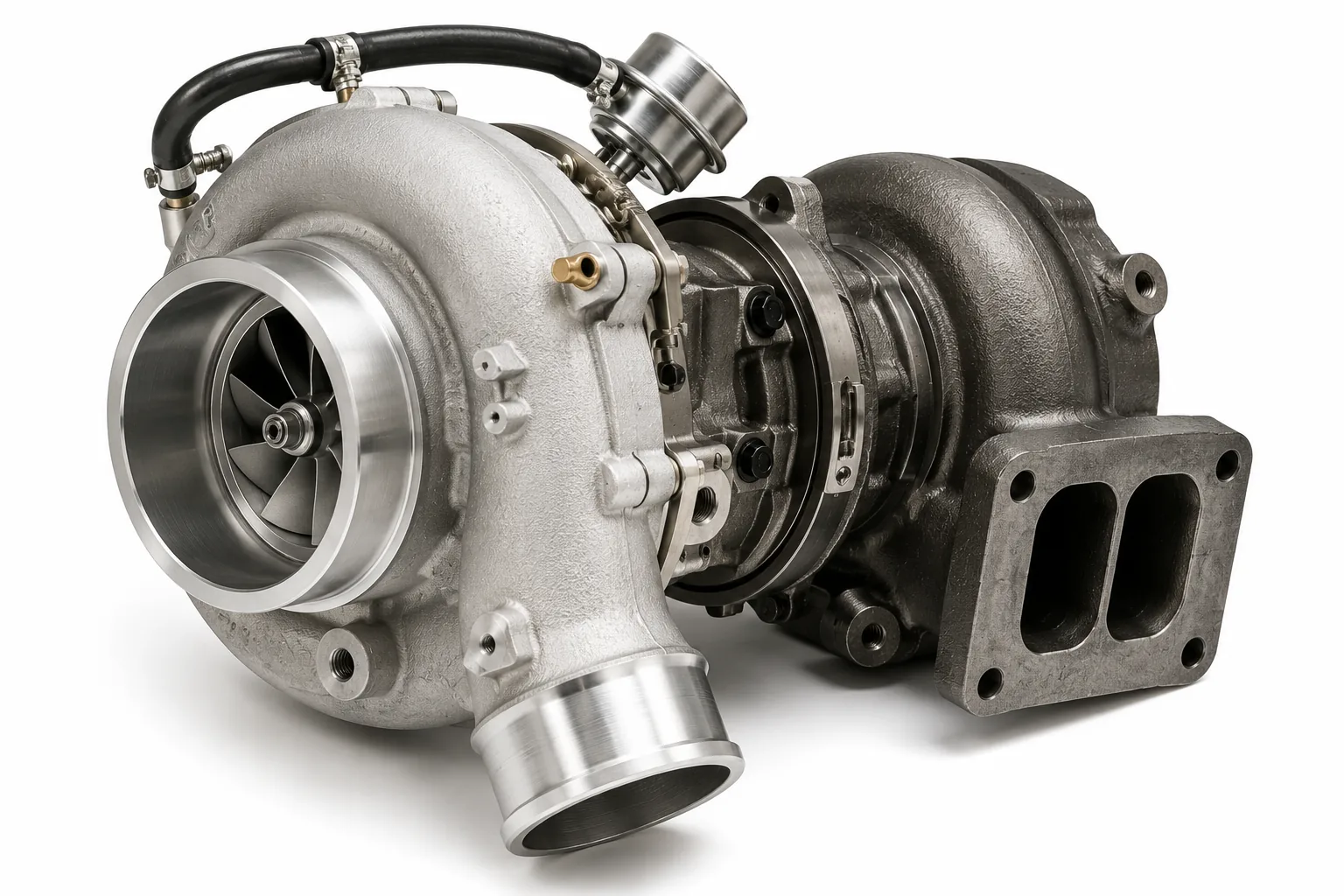
Cummins QSK38 Turbocharger Parts
Potential requirements can include:
- Complete Turbocharger Assemblies
- Turbocharger Cartridges
- Compressor Components
- Turbine Components
- Bearings
- Seals
- Actuation Components Where Applicable
- Oil Supply Components
- Oil Drain Components
- Intake Connections
- Exhaust Connections
- Turbocharger Gaskets
- Mounting Hardware
The Cummins QSK38 Has Lost Power — Is the Turbocharger the Problem?
Possibly, but not necessarily.
Reduced power can also result from:
- Restricted Air Filters
- Intake Restriction
- Intake Leakage
- Aftercooler Leakage
- Charge-Air Restriction
- Exhaust Leakage
- Exhaust Restriction
- Restricted Fuel Filters
- Fuel-System Problems
- Injector Problems
- Sensor Problems
- Electronic Derating
- Low Compression
- Excessive Vessel Load
- Propeller Problems
The turbocharging system should therefore be investigated together with the complete engine.
What Are Signs of Possible QSK38 Turbocharger Problems?
Possible symptoms can include:
- Reduced Engine Power
- Slow Acceleration
- Black Exhaust Smoke
- Reduced Boost
- Abnormal Turbocharger Noise
- Oil Leakage
- Increased Oil Consumption
- Higher Exhaust Temperature
The turbocharger system should be considered together with the intake, aftercooler, fuel and exhaust systems.
Why Can a Replacement Turbocharger Fail Again?
The turbocharger may be the damaged component without being the original cause.
Before installing a replacement, investigate:
- Turbocharger Oil Supply
- Turbocharger Oil Drain
- Engine Oil Condition
- Air Intake Restriction
- Foreign-Object Damage
- Exhaust Restriction
- Excessive Exhaust Temperature
Correcting the original cause can help protect the replacement turbocharger.
Cummins QSK38 Aftercooler Parts
Potential requirements can include:
- Complete Aftercooler
- Aftercooler Core
- Housing Components
- Air Pipes
- Air Hoses
- Cooling Connections
- Clamps
- Gaskets
- O-Rings
- Seals
Why Is the QSK38 Aftercooler Important?
Turbocharging compresses incoming air.
Compression increases air temperature.
The aftercooler helps reduce the temperature of the compressed air before it reaches the cylinders.
Reduced aftercooling efficiency can contribute to:
- Reduced Engine Power
- Black Smoke
- Poor Acceleration
- Higher Intake-Air Temperature
- Higher Exhaust Temperature
- Increased Thermal Loading
Can an Aftercooler Leak Be Mistaken for Turbocharger Failure?
Yes.
The turbocharger system may still produce compressed air while part of that air escapes before reaching the cylinders.
Possible leakage points can include:
- Damaged Hoses
- Loose Clamps
- Failed Gaskets
- Cracked Pipes
- Cooler Connections
- Deteriorated Seals
Possible symptoms can include:
- Reduced Boost
- Reduced Power
- Black Smoke
- Slow Acceleration
- Higher Exhaust Temperature
The complete air path should therefore be inspected.
Cummins QSK38 Air Intake Parts
Potential requirements can include:
- Air Filter Elements
- Air Cleaner Components
- Intake Pipes
- Intake Hoses
- Turbocharger Connections
- Aftercooler Connections
- Intake Manifold Components
- Clamps
- Gaskets
- Seals
Can Restricted Air Filters Cause Black Smoke?
Yes.
Restricted airflow can contribute to:
- Black Exhaust Smoke
- Reduced Power
- Poor Acceleration
- Higher Exhaust Temperature
- Increased Fuel Consumption
The air-intake system should therefore be checked during performance troubleshooting.
Cummins QSK38 Exhaust-System Parts
Potential requirements can include:
- Exhaust Manifold Components
- Turbocharger Exhaust Connections
- Exhaust Elbows
- Exhaust Gaskets
- Sealing Components
- Fasteners
- Associated Hardware
Why Does an Exhaust Leak Before the Turbocharger Matter?
The turbocharger turbines depend on exhaust-gas energy.
If exhaust escapes before reaching the turbocharger, less energy becomes available to drive the turbine.
Possible signs can include:
- Soot Around Exhaust Connections
- Abnormal Exhaust Noise
- Reduced Turbocharger Response
- Reduced Engine Performance
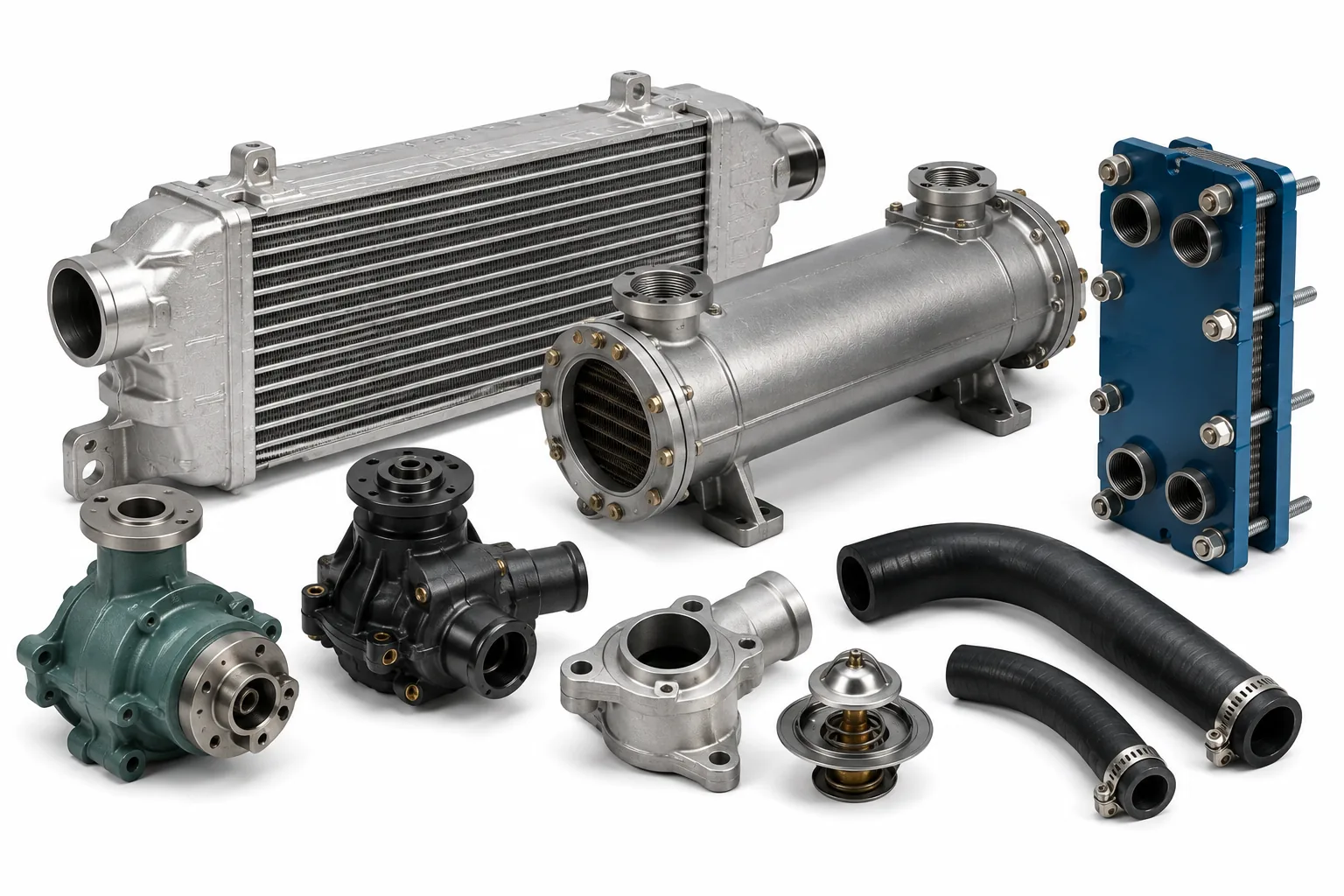
Cummins QSK38 Marine Cooling-System Parts
Potential requirements can include:
- Freshwater Pumps
- Thermostats
- Thermostat Housing Components
- Marine Seawater Pumps
- Heat Exchangers
- Aftercooler Cooling Components
- Oil Coolers
- Cooling Pipes
- Cooling Hoses
- Gaskets
- O-Rings
- Seals
Why Can a Cummins QSK38 Marine Engine Overheat?
Possible causes can include:
- Low Coolant Level
- Poor Coolant Condition
- Thermostat Problems
- Freshwater-Pump Problems
- Restricted Internal Cooling Passages
- Heat Exchanger Restriction
- Oil Cooler Restriction
- Aftercooler Cooling Problems
- Reduced Seawater Flow
- Blocked Sea Strainer
- Raw-Water Restrictions
Marine overheating should be investigated across the complete cooling system.
Why Does the QSK38 Overheat Mainly Under Load?
A large 38-liter engine produces substantially more heat as output increases.
A cooling system that has lost part of its capacity may still appear normal at light load but begin running hotter during sustained vessel operation.
Possible areas to investigate include:
- Freshwater Pumps
- Thermostats
- Heat Exchanger
- Oil Cooler
- Aftercooler Cooling
- Marine Seawater Pump
- Sea Strainer
- Raw-Water Pipework
- Internal Cooling Passages
Cummins QSK38 Freshwater Pump Parts
Potential requirements can include:
- Complete Freshwater Pump
- Pump Housing
- Pump Shaft
- Bearings
- Mechanical Seal
- Impeller
- Gaskets
- O-Rings
Does a Bad QSK38 Freshwater Pump Always Leak?
No.
A freshwater pump can lose circulation efficiency without producing a major external coolant leak.
Possible problems can include:
- Bearing Wear
- Seal Deterioration
- Impeller Damage
- Internal Corrosion
- Cavitation
- Reduced Pumping Efficiency
Cummins QSK38 Marine Seawater Pump Parts
Depending on the marine installation, potential requirements can include:
- Complete Seawater Pump
- Pump Housing
- Pump Shaft
- Bearings
- Mechanical Seal
- Flexible Impeller Where Applicable
- Wear Components
- Cover Components
- Gaskets
- O-Rings
Are All Cummins QSK38 Seawater Pumps the Same?
No.
Marine cooling arrangements can differ according to:
- Exact Engine Configuration
- Engine Serial Number
- Engine Rating
- Vessel Builder
- Cooling-System Layout
- Marine Installation
- Previous Modification
- Previous Pump Replacement
For accurate identification, provide:
- Engine Serial Number
- Pump Manufacturer
- Pump Model
- Existing Pump Number
- Mounting Arrangement
- Hose or Pipe Connections
- Clear Photographs
What Can Cause Low QSK38 Seawater Flow?
Possible causes can include:
- Restricted Sea Strainer
- Blocked Seawater Intake
- Damaged Flexible Impeller Where Applicable
- Worn Seawater Pump
- Air Entering the Raw-Water Circuit
- Restricted Raw-Water Pipework
- Heat Exchanger Restriction
- Oil Cooler Restriction
- Aftercooler Cooling Restriction
- Impeller Debris
Reduced seawater flow may become most noticeable when engine temperature begins increasing under load.
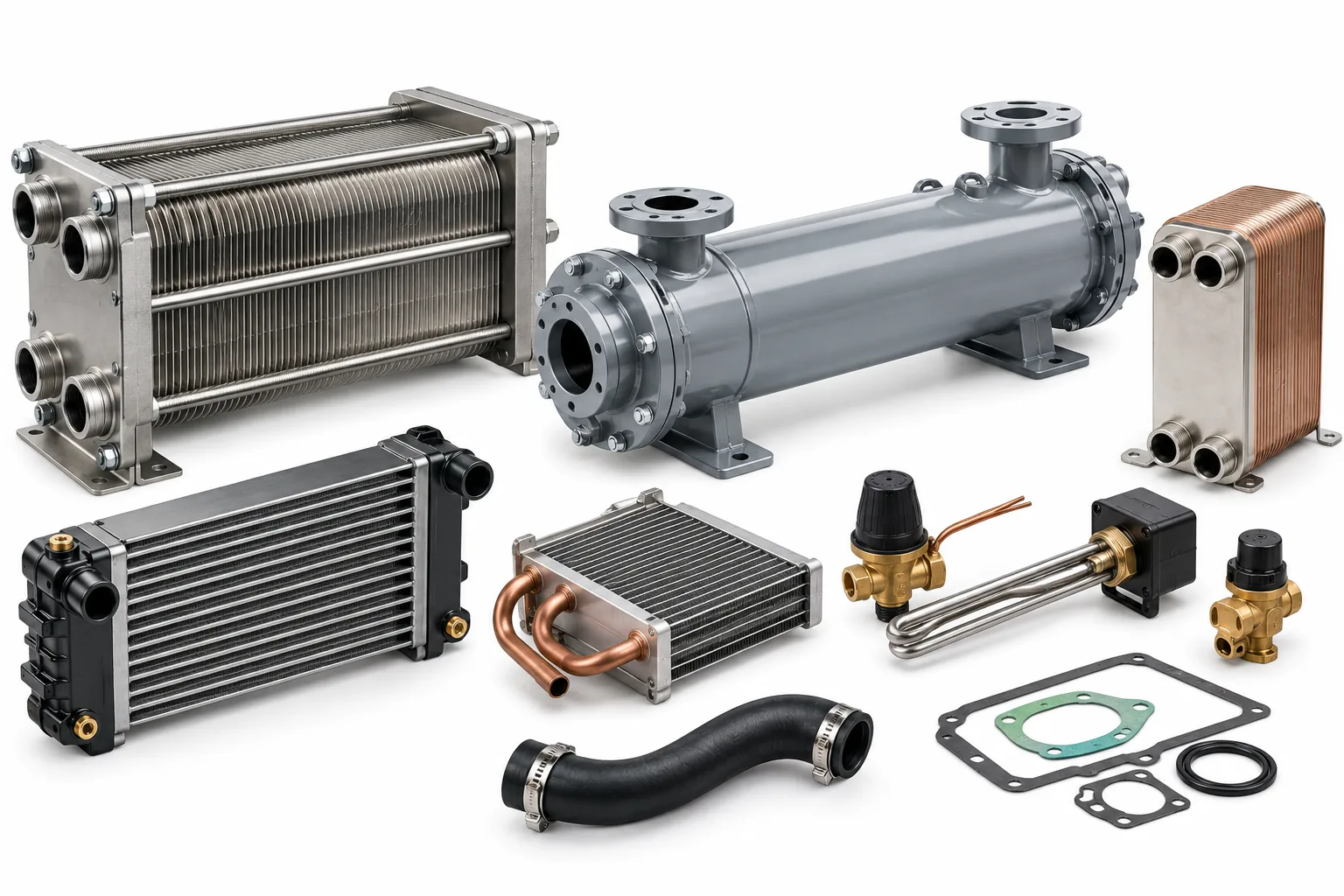
Cummins QSK38 Heat Exchanger Parts
Potential requirements can include:
- Complete Heat Exchanger
- Heat Exchanger Core
- Tube Bundle
- Housing
- End Covers
- Cooling Connections
- Gaskets
- O-Rings
- Seals
What Can Reduce QSK38 Heat Exchanger Performance?
Possible causes can include:
- Salt Deposits
- Scale
- Sediment
- Marine Growth
- Corrosion Products
- Impeller Debris
- Restricted Seawater Flow
A partially restricted heat exchanger may provide sufficient cooling at light load but become inadequate when engine output increases.
Cummins QSK38 Oil Cooler Parts
Potential requirements can include:
- Complete Oil Cooler
- Oil Cooler Core
- Oil Cooler Housing
- Oil Connections
- Cooling Connections
- Gaskets
- O-Rings
- Seals
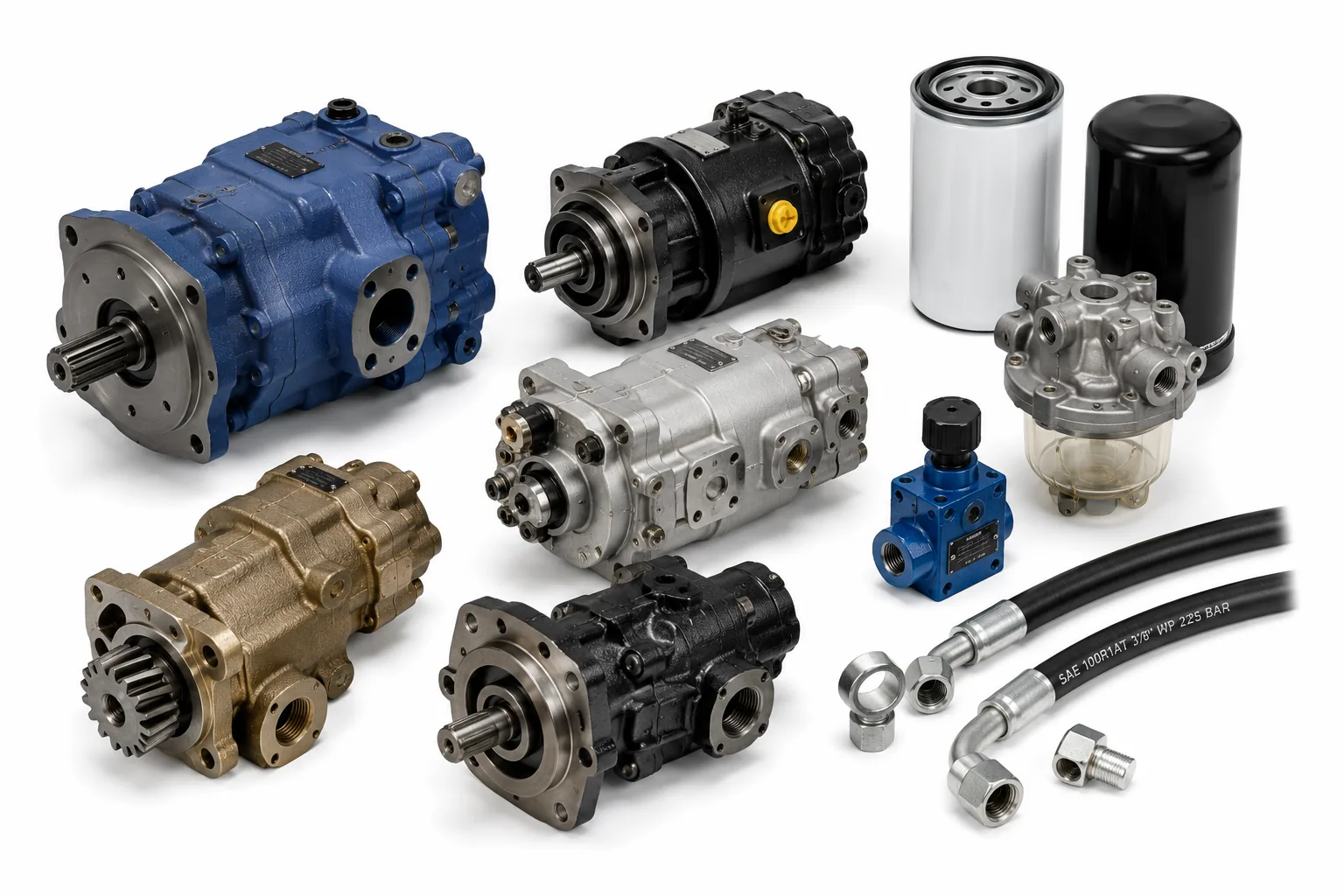
Cummins QSK38 Lubrication-System Parts
Potential requirements can include:
- Engine Oil Pump
- Oil Pump Components
- Engine Oil Filters
- Oil Cooler Components
- Oil Pressure Components
- Oil Pressure Sensors
- Oil Pipes
- Gaskets
- O-Rings
- Front Crankshaft Seal
- Rear Crankshaft Seal
Does Low Oil Pressure Mean the QSK38 Oil Pump Has Failed?
Not automatically.
Possible causes can include:
- Low Oil Level
- Incorrect Lubricating Oil
- Deteriorated Oil
- Restricted Oil Filters
- Oil Pump Wear
- Pressure-Regulating Problems
- Excessive Bearing Clearance
- Crankshaft Wear
- Internal Engine Wear
- Oil Pressure Sensor Problems
- Wiring Problems
Actual oil pressure should be confirmed before expensive mechanical components are replaced.
Cummins QSK38 Cylinder Head Parts
Because the QSK38 is a V12 engine, cylinder-head work should always be matched carefully to the exact engine configuration.
Potential requirements can include:
- Cylinder Head Assemblies
- Cylinder Head Components
- Cylinder Head Gaskets
- Intake Valves
- Exhaust Valves
- Valve Guides
- Valve Seats
- Valve Springs
- Rocker Components
- Valve-Train Components
- Injector Sealing Components
- Valve Cover Gaskets
When Should QSK38 Cylinder Head Components Be Inspected?
Inspection may become necessary following:
- Severe Overheating
- Coolant Loss
- Head-Gasket Failure
- Low Compression
- Valve Problems
- Uneven Cylinder Performance
- Abnormal Combustion
- Major Engine Overhaul
Should a QSK38 Cylinder Head Be Rebuilt or Replaced?
That decision should follow inspection.
Important areas can include:
- Cracking
- Corrosion
- Flatness
- Sealing-Surface Condition
- Valve Condition
- Valve Seats
- Valve Guides
- Previous Machining
- Heat Damage
Serviceable components may be suitable for reconditioning.
Damaged or dimensionally unsuitable components may require replacement.
Cummins QSK38 Pistons and Piston Rings
Potential requirements can include:
- Pistons
- Piston Ring Sets
- Piston Pins
- Piston Pin Components
- Retaining Components
What Are Possible Signs of QSK38 Piston or Ring Wear?
Possible symptoms can include:
- Excessive Blow-By
- Increased Oil Consumption
- Reduced Compression
- Difficult Starting
- Exhaust Smoke
- Reduced Engine Performance
Does Excessive Blow-By Mean the QSK38 Only Needs New Rings?
Not necessarily.
Possible causes can include:
- Worn Piston Rings
- Cylinder Wear
- Piston Wear
- Ring-Groove Wear
- Internal Engine Damage
Piston and cylinder condition should be inspected and measured before deciding the final repair requirement.
Cummins QSK38 Connecting Rod Parts
Potential requirements can include:
- Connecting Rods
- Connecting Rod Bearings
- Small-End Components
- Connecting Rod Bolts
- Associated Hardware
Connecting rods should receive careful inspection following:
- Bearing Failure
- Lubrication Failure
- Piston Damage
- Major Internal Engine Damage
Cummins QSK38 Crankshaft and Bearing Parts
Potential requirements can include:
- Complete Crankshaft
- Main Bearings
- Connecting Rod Bearings
- Thrust Components
- Crankshaft Gear Components
- Front Crankshaft Seal
- Rear Crankshaft Seal
Why Should the QSK38 Crankshaft Be Measured During Overhaul?
A previously repaired engine may already have undergone crankshaft work.
The crankshaft may have been:
- Polished
- Repaired
- Machined
- Replaced
Inspection can include:
- Main Journal Diameter
- Connecting Rod Journal Diameter
- Surface Condition
- Scoring
- Taper
- Out-of-Round Condition
- Heat Damage
- Evidence of Previous Repair
Measure first. Select bearings second.
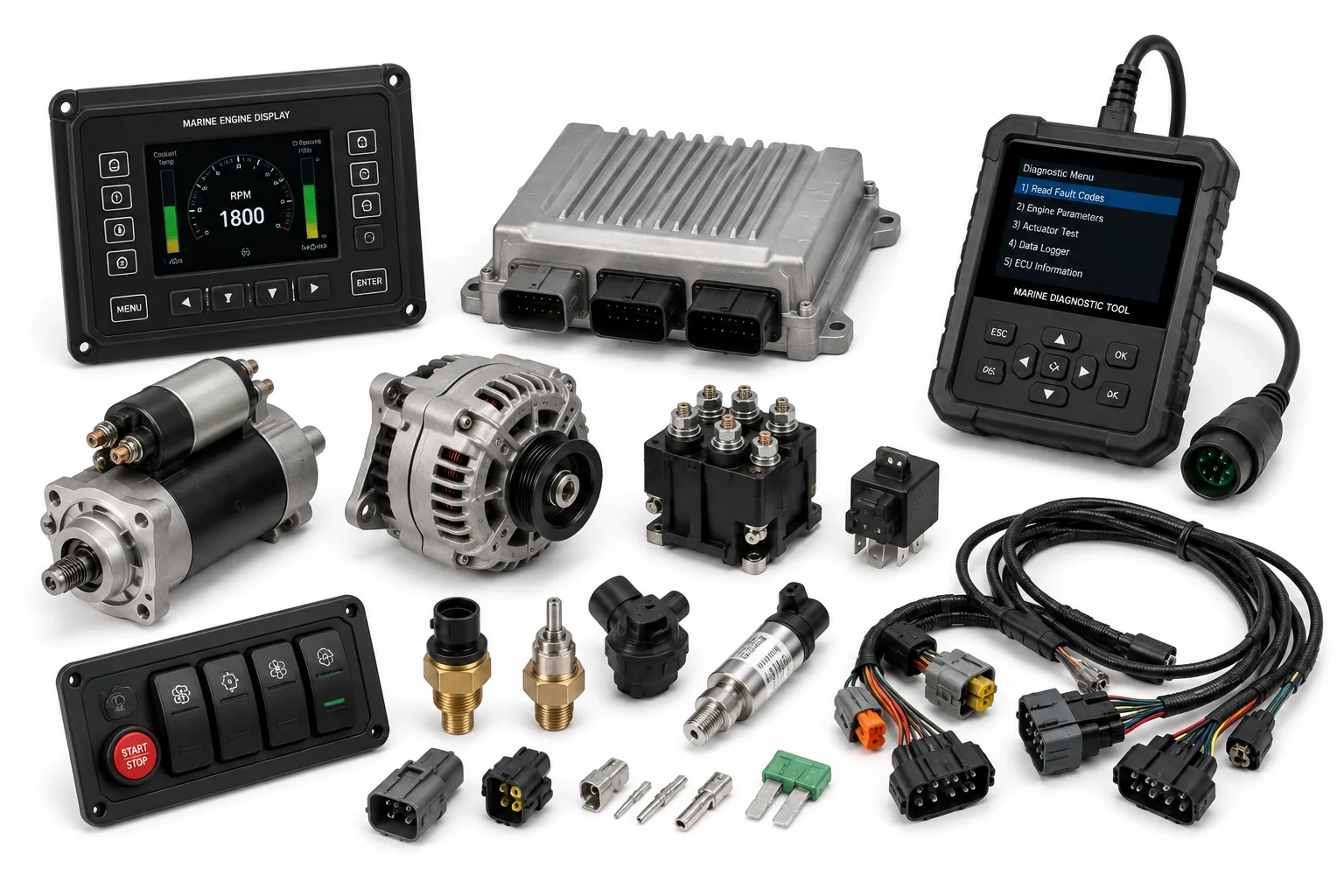
Cummins QSK38 Electronic Sensors and Electrical Parts
Electronic engine management is an important part of QSK38 operation.
Potential requirements can include:
- Temperature Sensors
- Pressure Sensors
- Fuel-System Sensors
- Boost-Related Sensors
- Engine Speed Sensors
- Engine Position Sensors
- Wiring Harness Components
- Electrical Connectors
- Engine Control Components
- Starter Motors
- Alternators
Can a Sensor Problem Cause the QSK38 to Lose Power?
Yes.
Depending on engine configuration and the exact fault, an abnormal sensor signal can contribute to:
- Warning Alarms
- Fault Codes
- Reduced Engine Power
- Engine Derating
- Poor Engine Response
- Difficult Starting
- Irregular Engine Operation
However, the sensor itself is not always the cause.
Why Should Wiring Be Checked Before Replacing a QSK38 Sensor?
A sensor-related fault can also result from:
- Damaged Wiring
- Corroded Connector
- Loose Connection
- Poor Ground
- Moisture Intrusion
- Damaged Harness
- Supply-Voltage Problem
The complete electrical circuit should therefore be inspected before the component is replaced.
Cummins QSK38 Gasket Sets and Seals
Potential requirements can include:
- Engine Gasket Sets
- Cylinder Head Gaskets
- Valve Cover Gaskets
- Intake Gaskets
- Exhaust Gaskets
- Turbocharger Gaskets
- Aftercooler Gaskets
- Heat Exchanger Gaskets
- Oil Cooler Gaskets
- Freshwater Pump Gaskets
- Thermostat Gaskets
- Injector Seals
- Fuel-System O-Rings
- Cooling-System O-Rings
- Front Crankshaft Seal
- Rear Crankshaft Seal
The gasket requirement should always be matched to the exact Cummins QSK38 engine configuration.
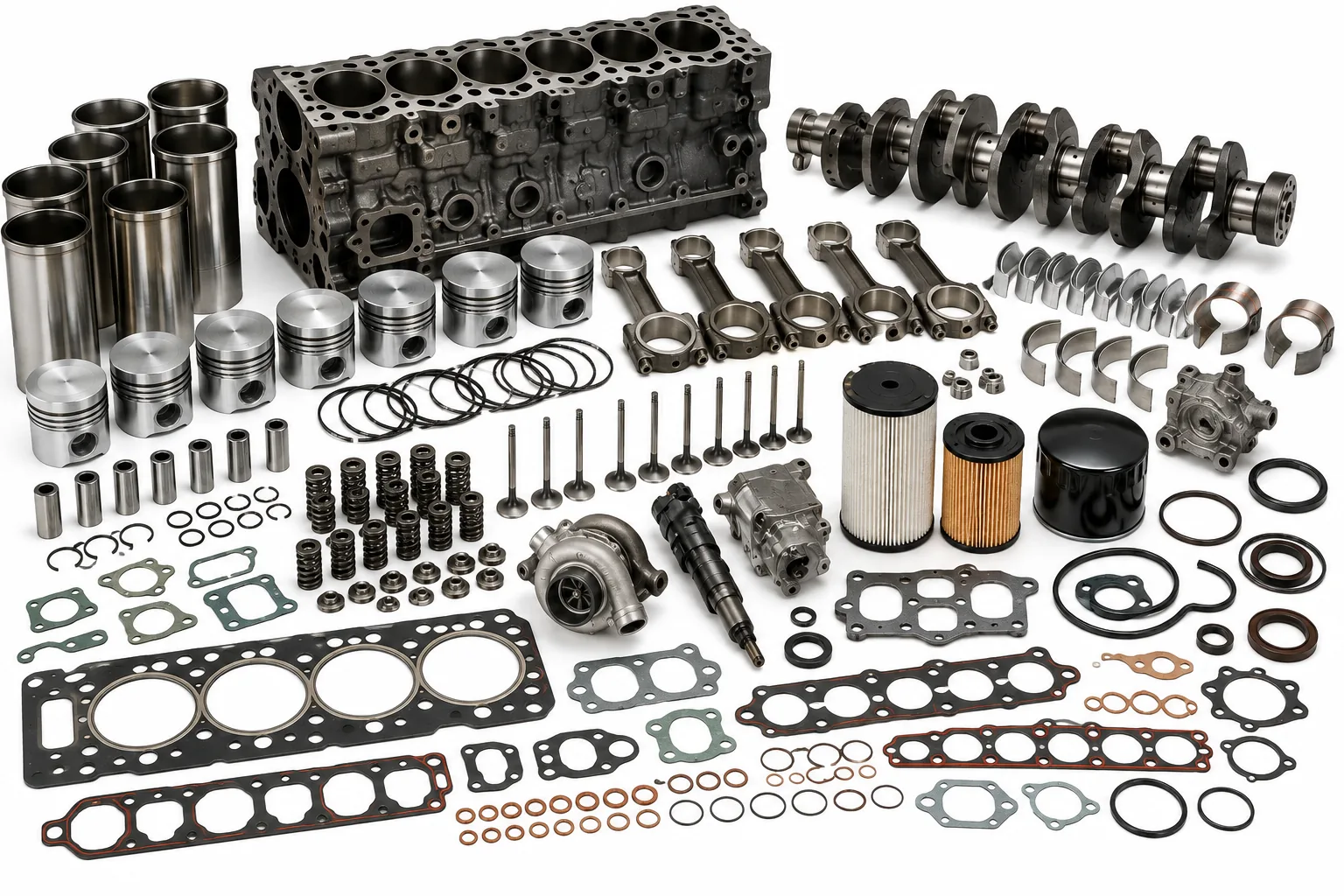
Cummins QSK38 Overhaul Parts
A planned overhaul can require:
- Pistons
- Piston Rings
- Piston Pins
- Main Bearings
- Connecting Rod Bearings
- Thrust Components
- Cylinder Head Components
- Intake Valves
- Exhaust Valves
- Crankshaft Seals
- Engine Gaskets
- Engine Seals
- Fuel-System Components
- Fuel Injectors
- Turbocharger Components
- Cooling-System Components
- Lubrication-System Components
Depending on inspection findings, additional requirements may include:
- Crankshaft
- Connecting Rods
- Camshaft Components
- Fuel Pump Components
- High-Pressure Fuel Components
- Complete Turbocharger Assemblies
- Aftercooler Components
- Freshwater Pumps
- Marine Seawater Pumps
- Heat Exchanger Components
- Oil Pump
- Oil Cooler
- Electronic Sensors
- Engine Control Components
- Starter Motors
- Alternators
Should a Complete Cummins QSK38 Overhaul Kit Be Ordered Before Disassembly?
Some planned maintenance components can be prepared beforehand.
For major internal repairs, however, the final parts requirement should ideally follow disassembly, inspection and measurement.
Once the engine is opened, the workshop can determine:
What condition are the cylinders in?
Can the pistons be reused?
What condition is the crankshaft in?
Which bearing specification is required?
What condition are the cylinder heads in?
Are the connecting rods serviceable?
What condition are the turbocharger components in?
A practical overhaul sequence is:
Identify → Diagnose → Disassemble → Clean → Inspect → Measure → Confirm Parts → Rebuild
What Information Should You Send for Cummins QSK38 Parts?
For accurate Cummins QSK38 Marine Engine Spare Parts identification, provide:
- Engine Model: Cummins QSK38
- Exact Engine Variant Where Available
- Engine Serial Number
- Engine Rating
- Photograph of the Engine Identification Plate
- Existing Part Number
- Component Manufacturer Number Where Applicable
- Part Description
- Quantity Required
- Clear Photographs
- Vessel Application
- Delivery Country or Nearest Port
For injectors, fuel-system components, turbochargers, electronic components, freshwater pumps, seawater pumps, heat exchangers, starter motors and alternators, identification from the currently installed component is particularly useful.
Who Do We Supply?
Alfa Marine Spare Parts supports Cummins QSK38 Marine Engine Spare Parts requirements for:
- Shipyards
- Ship Repairers
- Marine Engineers
- Chief Engineers
- Technical Superintendents
- Fleet Operators
- Marine Service Companies
- Commercial Fishing Companies
- Tugboat Operators
- Offshore Operators
- Government Fleets
- Maritime Contractors
- Boat Builders
- Marine Equipment Distributors
- Commercial Vessel Operators
Worldwide Cummins QSK38 Marine Engine Parts Supply
Alfa Marine Spare Parts supports QSK38 marine engine parts requirements across major international marine markets, including Spain, Italy, Monaco, France, the Netherlands, Belgium, Germany, Greece, the United Kingdom, Dubai and the UAE, Nigeria, Miami and Florida, Texas, Toronto and Canada, the Caribbean, South America and other major international seaports.
Whether the requirement involves fuel injectors, fuel-system components, turbocharger parts, aftercooler components, freshwater pumps, marine seawater pumps, heat exchangers, cylinder head components, bearings, sensors, gaskets or a complete Cummins QSK38 engine overhaul parts package, accurate engine identification remains the starting point.