Marine Diesel Engine Oil Analysis: What Does Your Oil Tell You?
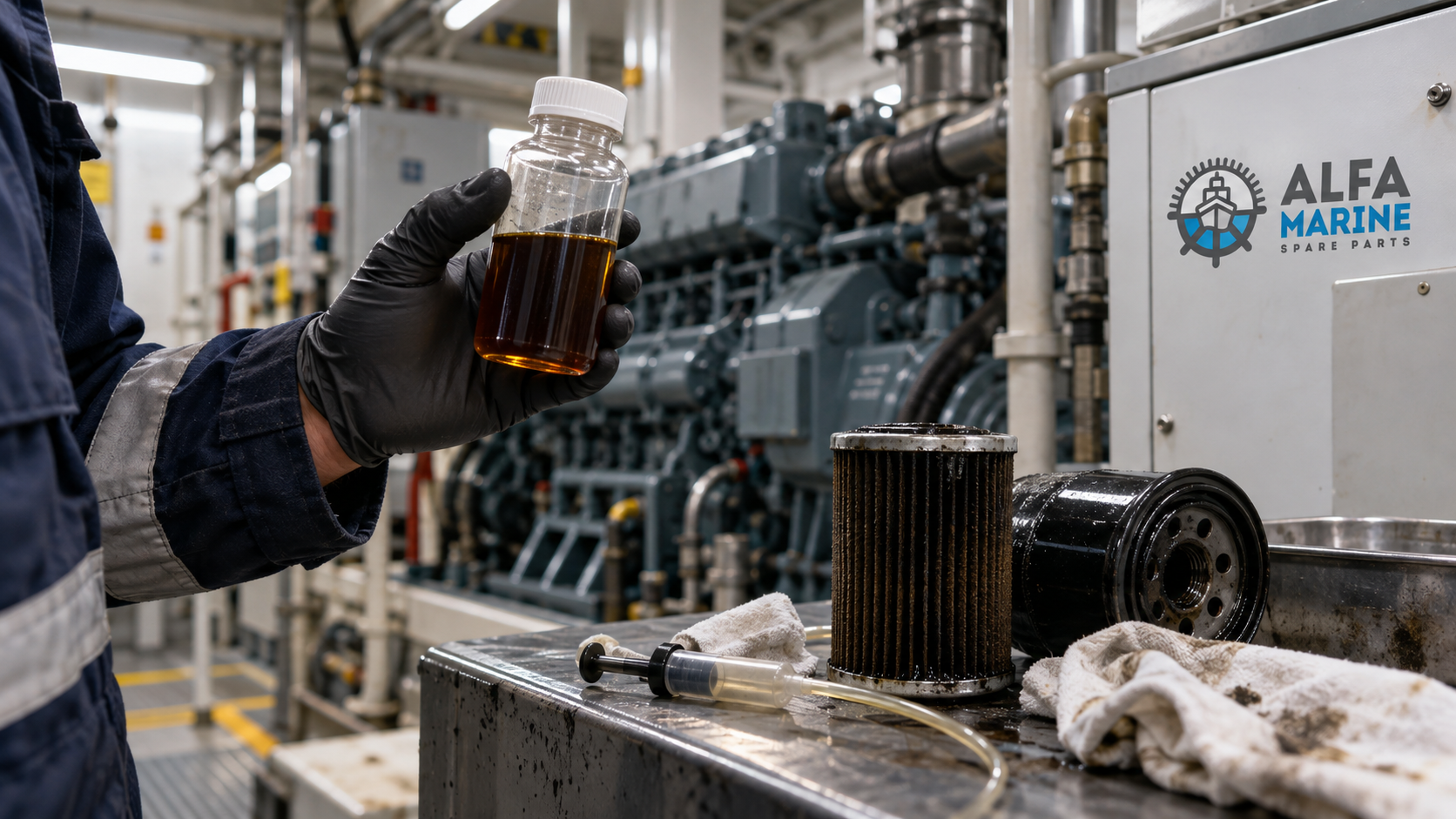
A used oil sample can tell you a lot about what is happening inside a marine diesel engine. Rising wear metals, fuel dilution, coolant contamination, water, soot or a change in viscosity can all point toward something worth investigating.
But an oil report is not a parts list. High iron does not automatically mean worn liners, and high copper does not automatically mean failed bearings.
The real value of oil analysis comes from watching the trend and comparing it with what is happening on the engine.
Why Oil Analysis Trends Matter
One oil sample gives you a snapshot. Regular samples give you a history.
Suppose iron has remained fairly stable for five samples and suddenly increases on the sixth. That change is more useful than looking at the latest number alone.
Before drawing conclusions, check the basics. How many hours are on the oil? Was the same oil grade used? Has much make-up oil been added? Was maintenance carried out recently? Has the vessel been operating differently?
This context helps explain whether a change is normal or deserves further investigation.
Iron: Is Something Wearing?
Iron (Fe) is one of the most common wear metals found in diesel engine oil.
Possible sources can include liners, gears, shafts, valve-train parts and other iron or steel surfaces, depending on the engine.
If iron rises sharply compared with earlier samples, look for supporting evidence. Check the oil filter, engine condition and other wear-metal results.
The important point is simple: high iron tells you to investigate; it does not tell you which part to replace.
Copper: Don't Assume It's the Bearings
Copper (Cu) can come from bearings, bushings, coolers and other copper-containing materials used in the engine.
If copper suddenly increases, first ask what has changed.
Was an oil cooler replaced? Has engine work recently been completed? Are other wear metals increasing at the same time?
A steady increase over several samples can mean something quite different from one unusual result following maintenance.
Chromium and Aluminium
Chromium (Cr) and aluminium (Al) can provide additional clues when investigating engine wear.
Chromium may be associated with chromium-containing wear surfaces or alloys. Aluminium can come from pistons, housings, bearings or other aluminium-containing parts.
The exact source depends on engine construction.
Rather than trying to diagnose a problem from either number alone, compare them with previous samples and the other wear metals on the report.
Silicon: Dirt or Something Else?
An increase in silicon (Si) sometimes raises concerns about dirt entering the engine.
That is one possibility. Air filters, intake connections and maintenance practices may be worth checking if abrasive contamination is suspected.
But silicon can also come from sealants, additives or materials introduced during repair work.
If an engine has recently been opened and sealing products were used, that information matters when reading the next sample.
Can Oil Analysis Show Coolant Contamination?
Oil analysis can provide useful evidence of possible coolant contamination.
Depending on the coolant and lubricant formulations, changes in sodium and potassium, together with water content, viscosity and other results, may justify checking the cooling system.
If coolant entry is suspected, look beyond the laboratory report. Is coolant consumption increasing? Has the oil level changed? Is there any other evidence of coolant and lubricating oil mixing?
The possible leakage path depends on the particular engine design.
Fuel Dilution: Diesel in the Engine Oil
Fuel dilution occurs when diesel fuel enters the lubricating oil.
Excessive fuel dilution can reduce oil viscosity and weaken the protective oil film between loaded moving surfaces.
There may also be practical warning signs. The sump level may begin rising, or the oil may become thinner than expected.
Fuel-system problems, combustion issues and operating conditions are among the areas that may need investigation.
Changing contaminated oil is important, but the reason fuel entered the oil should also be found.
Soot, Water and Viscosity
Some soot in diesel engine oil is normal. Excessive soot is different and may be associated with combustion conditions, injection performance, air supply, engine loading or extended oil service.
Water also needs an explanation. In a marine engine it may come from condensation, coolant leakage or external water ingress.
Viscosity helps complete the picture.
If the oil becomes significantly thinner, fuel dilution may be involved. If it becomes thicker, soot loading, oxidation or lubricant deterioration may be contributing.
Always compare viscosity with the correct fresh-oil grade rather than judging the used oil without knowing what was originally put into the engine.
For a practical example of how oil temperature and cooling affect a marine lubrication system, see our MTU Engine Oil Cooler Guide.
Open the Oil Filter Too
When an oil report shows an unusual wear trend, inspect the lubricating-oil filter as well.
Laboratory analysis is useful for detecting very small particles suspended in the oil. Larger metallic debris may already have been trapped by the filter.
Finding significant metal in the filter together with a changing oil-analysis trend gives you more information than either observation alone.
This is a good example of how oil analysis should be used: as part of the engine inspection, not as a replacement for it.
Take the Oil Sample Properly
A poor sample can produce a poor report.
Use a clean sample bottle and an appropriate sampling point. Where practical, take each sample under similar engine conditions so the results can be compared properly.
Record the engine manufacturer and model, serial number, total engine hours, hours on the oil, oil brand and grade, make-up oil added, sampling date and recent maintenance.
Those details can be just as important as the laboratory numbers when investigating a change.
Different Engines Can Show Different Wear Patterns
Used-oil analysis is relevant to marine diesel engines from manufacturers including Caterpillar, MTU, Cummins, MAN, Volvo Penta, Wärtsilä, Yanmar, DEUTZ, John Deere, Scania, Mitsubishi, Doosan, Perkins and Detroit Diesel.
But the engines are not built identically.
Materials, bearings, pistons, liners and lubrication arrangements vary between engine families. Operating duty also makes a difference.
That is why comparing an engine with its own previous samples is so valuable.
When Should Oil Analysis Lead to Spare Parts?
Only when further investigation identifies an actual problem.
For example, an oil report may show an increasing wear trend. The engineer then opens the oil filter and finds metallic debris. Further inspection identifies wear in a particular engine area.
Now there is a reason to identify the required parts.
Depending on the inspection findings, these might include bearings, cylinder liners, piston rings, pistons, oil pumps, oil coolers, filters, gaskets, seals or overhaul parts.
Use the complete engine model, serial number and applicable part numbers before ordering.
Oil analysis should help you find the problem before choosing the parts, not encourage parts replacement based on one laboratory number.
Frequently Asked Questions
Can oil analysis tell me if my marine engine needs an overhaul?
Not on its own. It can reveal changing wear or contamination, but an overhaul decision should also consider engine performance, inspections and other diagnostic findings.
How often should marine engine oil be sampled?
The interval depends on the engine, operating duty and maintenance program. Consistent sampling is important because regular results allow you to see how the engine changes over time.
Can oil analysis identify exactly which engine part is wearing?
Sometimes several results together can point toward a likely area, but an oil report will not always identify one specific part. Filter inspection or further mechanical checks may still be required.
Request Marine Diesel Engine Spare Parts
If oil analysis and further inspection identify worn or damaged engine parts, Alfa Marine Spare Parts can assist with parts identification and supply.
Send the engine manufacturer, complete engine model, engine serial number, part numbers and quantities required. If the part number is unavailable, clear photographs and engine nameplate information can help with identification.
Alfa Marine Spare Parts supplies marine engine parts for commercial vessels, yachts, workboats, shipyards, marine engineers and repair companies worldwide.
Request a Quote
Independent Supplier Notice
Alfa Marine Spare Parts is an independent marine spare-parts supplier and is not an authorized dealer, representative or partner of the manufacturers referenced in this article. Manufacturer names, engine models and part numbers are used solely for identification and cross-reference purposes.
 HARNESSES AND WIRE SENSORS
 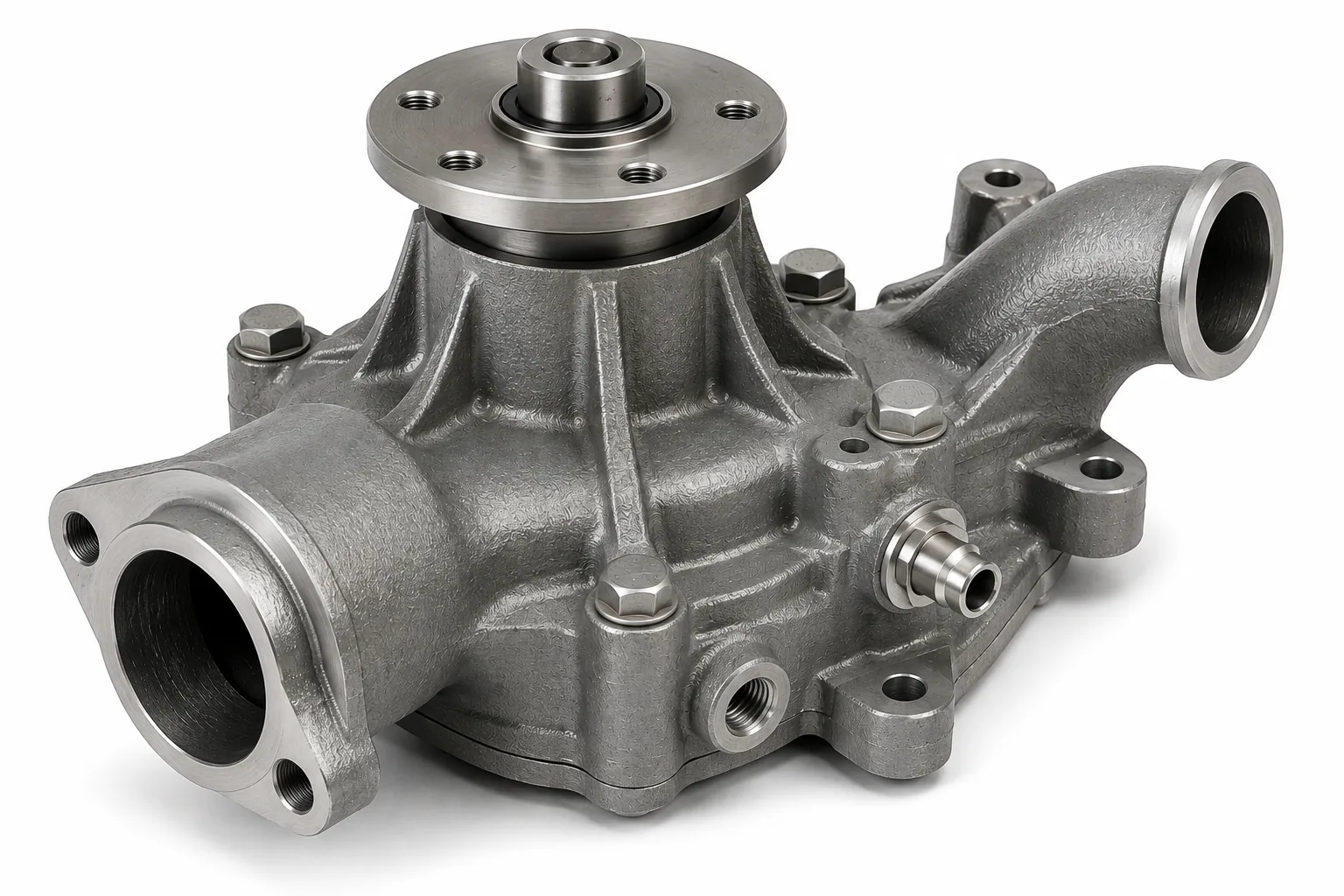 WATER PUMP
 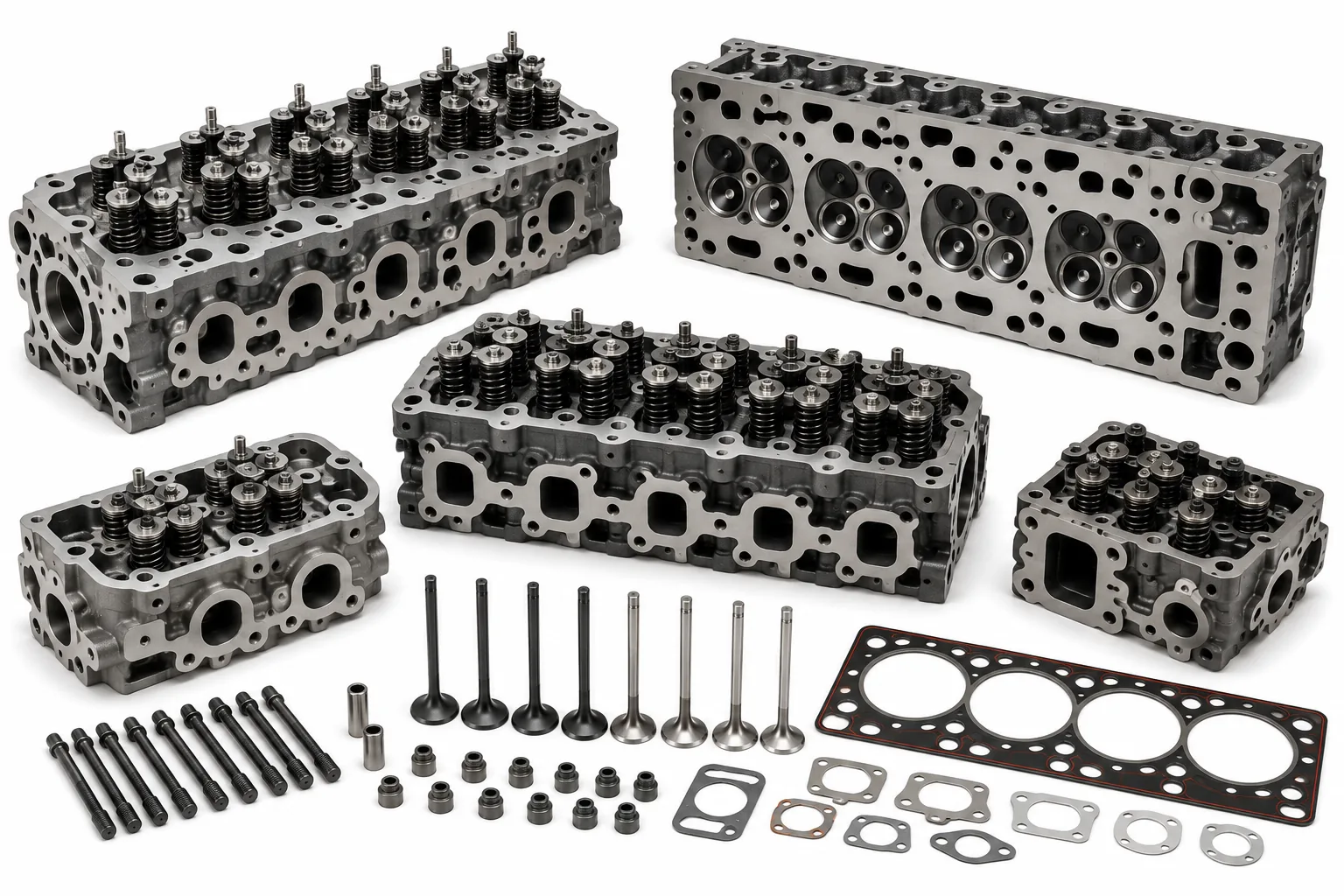 CYLINDER HEAD
  DISPLAY MONITORS
 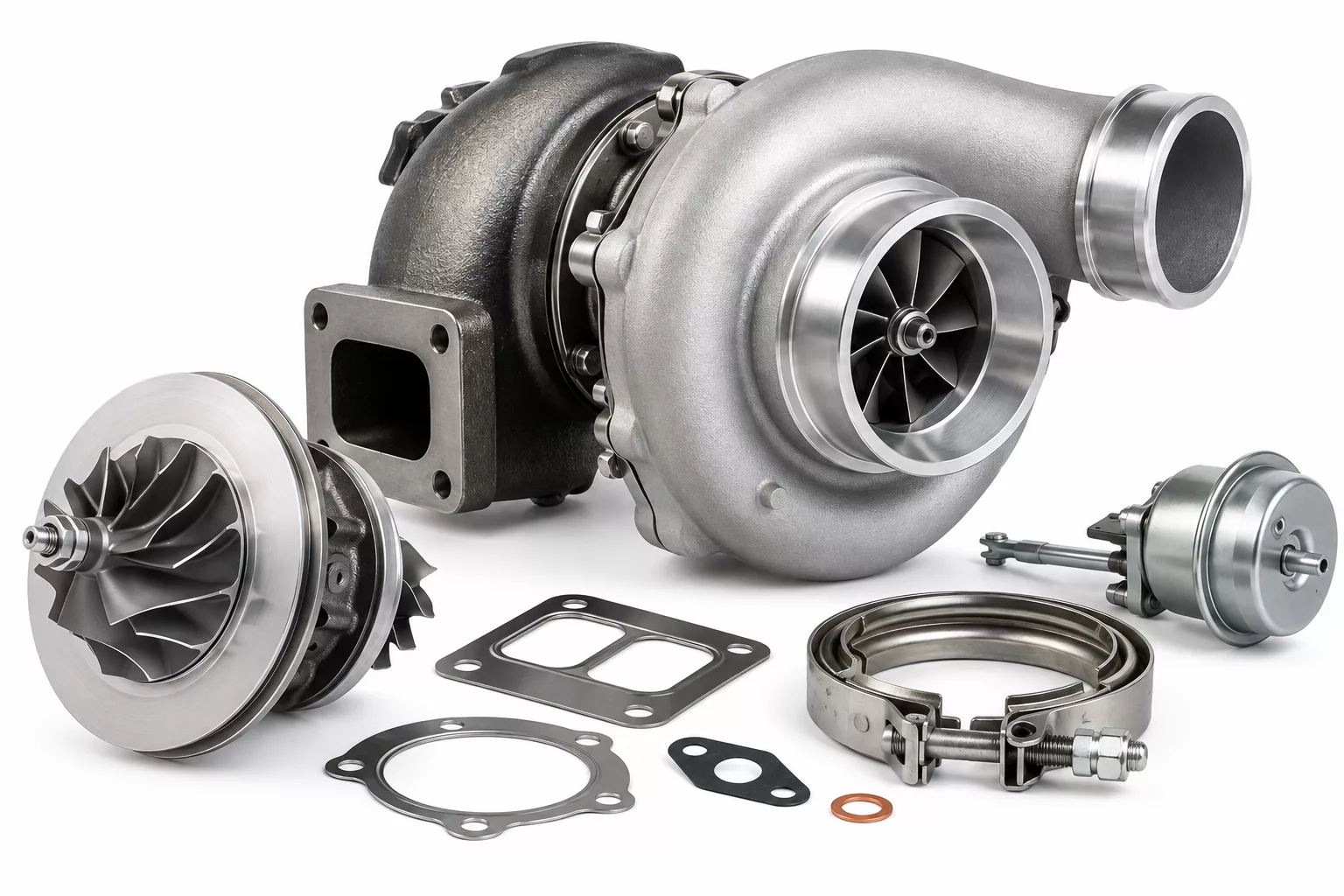 Turbocharger & Cartridge
 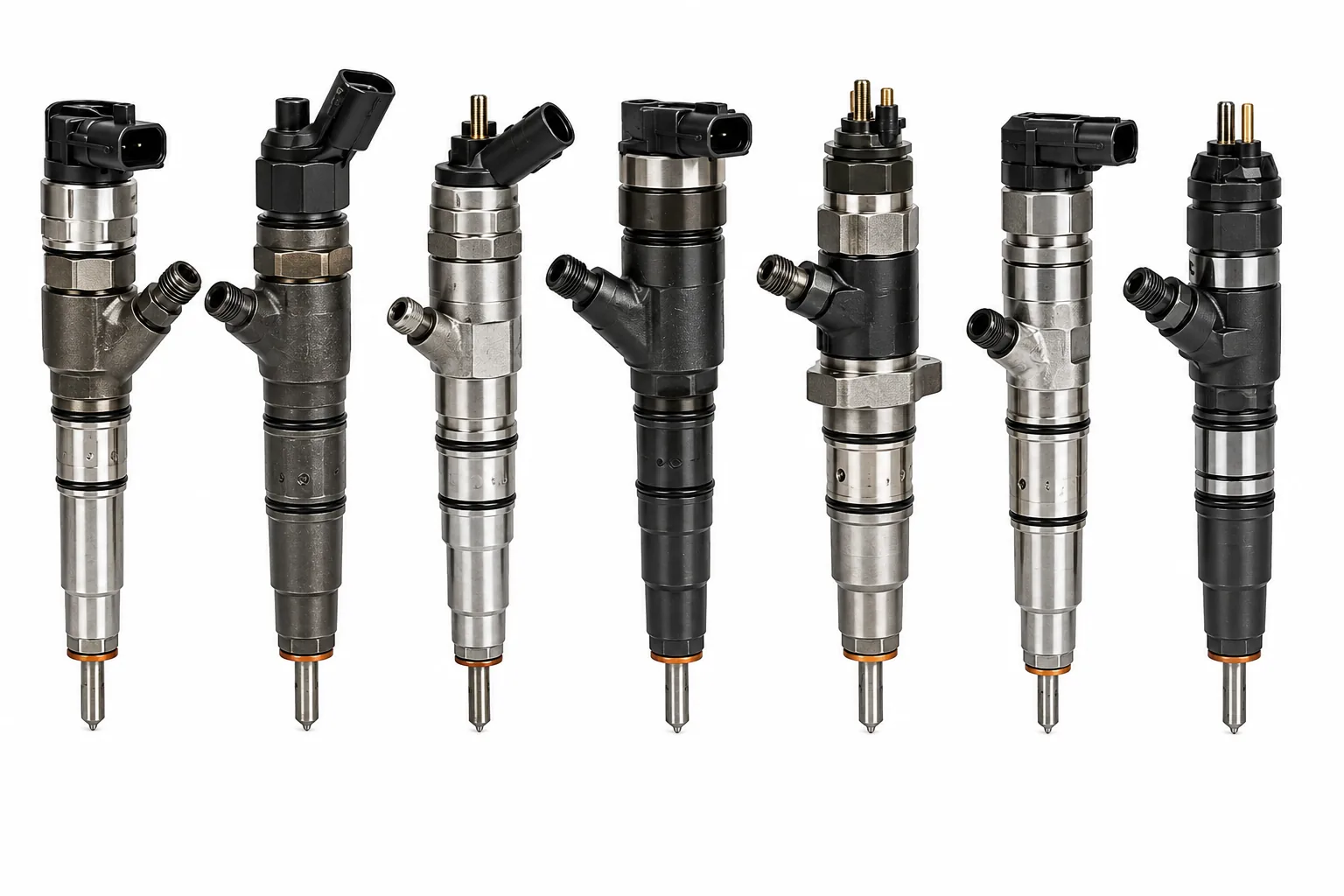 INJECTORS