


A Caterpillar 3516B starts normally and sounds fine at idle. You leave the berth, bring the engine under load, and then notice something isn't quite right.
Maybe there is more smoke than usual. The engine feels slightly rough, one exhaust temperature is different from the others, or it simply isn't pulling as cleanly as it normally does.
The first thought is often the injectors.
And yes, an injector could be the problem. But before removing one—or ordering sixteen new ones—there are a few things worth checking.
If you're looking for parts rather than troubleshooting information, you can go directly to our Caterpillar 3516B Marine Engine Parts page. The 3516B page covers fuel and injection parts as well as cooling, turbocharger, cylinder and overhaul requirements.
Is One Cylinder Different From the Rest?
This is one of the first things I would look at.
With sixteen cylinders, you have plenty to compare.
If the engine is running at a steady load and most exhaust temperatures are reasonably close, but one cylinder keeps coming back noticeably colder, something is different on that cylinder.
That doesn't automatically mean the injector is bad.
The injector could be delivering fuel incorrectly, but you could also be dealing with a fuel-supply problem, an electrical fault, a valve issue or poor compression.
The important thing is that you've found somewhere sensible to start.
Don't go from:
“Number 7 is running cold.”
straight to:
“Order a new injector.”
First find out why number 7 is running differently.
The 3516B Is Smoking. Is It the Injectors?
Possibly.
But it depends on when the smoke appears and what the rest of the engine is doing.
If you get heavy black smoke as the engine takes load, you need to think about fuel and air.
An injector that isn't working correctly can certainly affect combustion. But if the engine isn't getting enough air for the amount of fuel being delivered, you'll have problems as well.
So if the engine runs fairly clean at idle but becomes increasingly smoky as the load comes up, don't look only at the injectors.
Have a look at the turbocharger and charge-air side too.
A problem there can make a perfectly good injector look guilty.
For more information on the wider engine platform, see our Caterpillar 3500 Marine Engine Parts page. The 3516 is the V16 configuration within the wider 3500 family.
What About White Smoke?
White or light-colored smoke together with rough running can point toward fuel that isn't burning properly.
Now suppose you also notice that one cylinder has a lower exhaust temperature than the others.
That becomes more interesting.
You've got several clues pointing toward the same cylinder.
At that point, the injector is certainly something you would want to look at—but you're still not at the stage where I'd order one without doing the other checks.
You need to establish why that cylinder isn't burning properly.
Don't Forget the Simple Things
Before opening up the engine, check the fuel supply.
When were the fuel filters last changed?
Has the vessel recently bunkered fuel?
Was anything done to the fuel system before the problem started?
Does the problem only appear under load?
That last question matters.
An engine may start and idle perfectly well even with a fuel restriction. At idle, fuel demand is relatively low. Once the engine starts working hard, the demand increases and the problem becomes much easier to see.
So if someone tells you:
“The 3516B starts perfectly, but it doesn't pull properly under load.”
I wouldn't automatically order injectors.
I'd check the basics first.
When Did the Problem Start?
This can tell you more than people sometimes realize.
If the engine was running normally, maintenance was carried out, and immediately afterward one cylinder started behaving differently, go back over the work that was done.
Something may have been disturbed.
On the other hand, if the engine has slowly become rougher over several hundred operating hours, that's a different situation.
Talk to the people who actually operate the vessel too.
Someone may tell you:
“It only starts smoking once we get above this load.”
Or:
“That cylinder temperature has slowly been dropping.”
That information is useful because it gives you a pattern rather than a single symptom.
Check the Electrical Side
An apparent injector problem isn't always a mechanical failure inside the injector.
If one cylinder cuts in and out, particularly if the problem is intermittent, the associated wiring and connections deserve attention too.
This is the type of fault that can waste hours.
You inspect the engine at the berth and everything works normally. The vessel goes back into operation, the engine warms up and takes load, and suddenly the problem comes back.
Don't condemn an expensive injector until you've considered the electrical side as well.
Use the Engine Data
If you have diagnostic information available, use it together with what you're seeing on the engine.
Imagine you have:
one cylinder with an unusual exhaust temperature,
rough running under load,
and diagnostic information repeatedly pointing toward that same cylinder.
Now you're building a useful picture.
You have several clues leading you to the same place.
That's much better than:
“It's smoking. Change the injectors.”
Do You Really Need All 16 Injectors?
Maybe—but not because one cylinder is weak.
There are situations where replacing or testing a complete set makes sense.
Perhaps the engine has high operating hours. Maybe all the injectors have been in service for roughly the same period. Or the engine is already open for a major overhaul.
That's different.
If fifteen cylinders are behaving normally and one suddenly develops a problem, find out what's wrong with that cylinder first.
Then decide how far the repair needs to go.
On a large V16 engine, that decision can make a very big difference to the repair bill.
Ordering an Injector? Don't Just Send “3516B”
This is where we regularly see parts enquiries become more complicated than they need to be.
An enquiry arrives saying:
“Need injector CAT 3516B. Price please.”
That's a useful starting point, but it may not be enough to identify the correct injector.
Different engine arrangements exist, and engines that have spent years in service may already have had parts replaced or superseded.
The best starting point is the engine serial number.
If you can also provide the existing injector part number and arrangement number, even better.
We've written a separate guide explaining exactly what information helps when identifying Caterpillar parts: How to Order the Correct Caterpillar Marine Engine Parts. It covers engine model, serial number, arrangement number and existing part number.
And if you're standing next to the engine and don't know which number we need, don't guess.
Take a clear photograph of the complete engine nameplate and send it with the enquiry.
That's much easier than shipping an injector halfway around the world and finding out it isn't correct for the engine.
Genuine, Reman or Replacement?
Once the correct injector has been identified, you can decide which supply option makes sense.
Depending on the exact part number and availability, there may be genuine, remanufactured or replacement options.
But identify the part first.
There's little value in saving money on an injector if it isn't the correct injector for the engine.
For other Caterpillar engines and spare-parts requirements, you can also browse the Caterpillar Marine Engine Parts page.
So, Is It Actually the Injector?
Sometimes it is.
If the same cylinder continues to show an abnormal temperature, the engine is running rough and your other checks keep bringing you back to that cylinder, then the injector becomes a reasonable suspect.
But you've arrived there for a reason.
You checked when the problem started. You compared the cylinders. You looked at the fuel supply. You considered the air side and checked the electrical and diagnostic information available.
That's a much better way to approach the problem than changing an expensive part and hoping the smoke disappears.
If you need a Caterpillar 3516B fuel injector or related fuel-system parts, send Alfa Marine Spare Parts:
Engine model: 3516B
Engine serial number:
Arrangement number:
Existing injector part number:
Quantity:
Delivery destination:
If you don't know the injector number, send us a clear photo of the engine nameplate and any numbers visible on the existing injector.
Frequently Asked Questions
My Caterpillar 3516B has black smoke. Are the injectors bad?
Not necessarily. A faulty injector can contribute to black smoke, but insufficient air, charge-air problems, fuel quality and engine load can produce similar symptoms. Look at when the smoke appears and what the rest of the engine is doing before replacing parts.
One cylinder is colder than the others. Should I replace its injector?
Not yet. A consistently different exhaust temperature tells you which cylinder deserves attention, but you still need to establish why that cylinder is different.
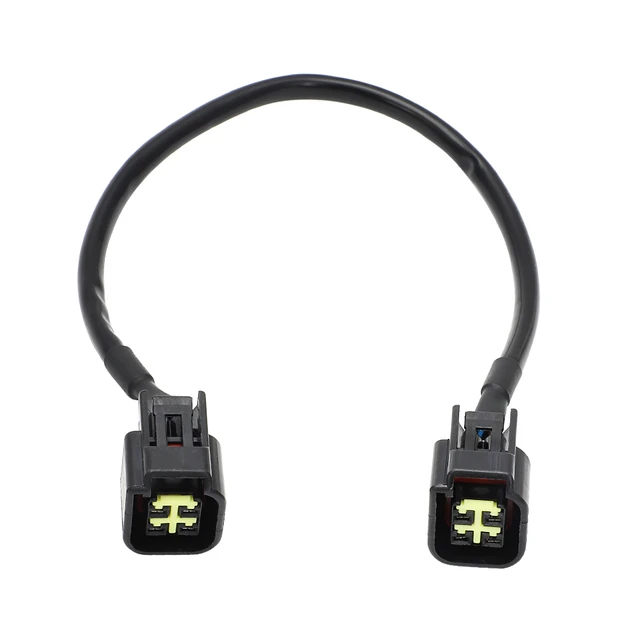 HARNESSES AND WIRE SENSORS
 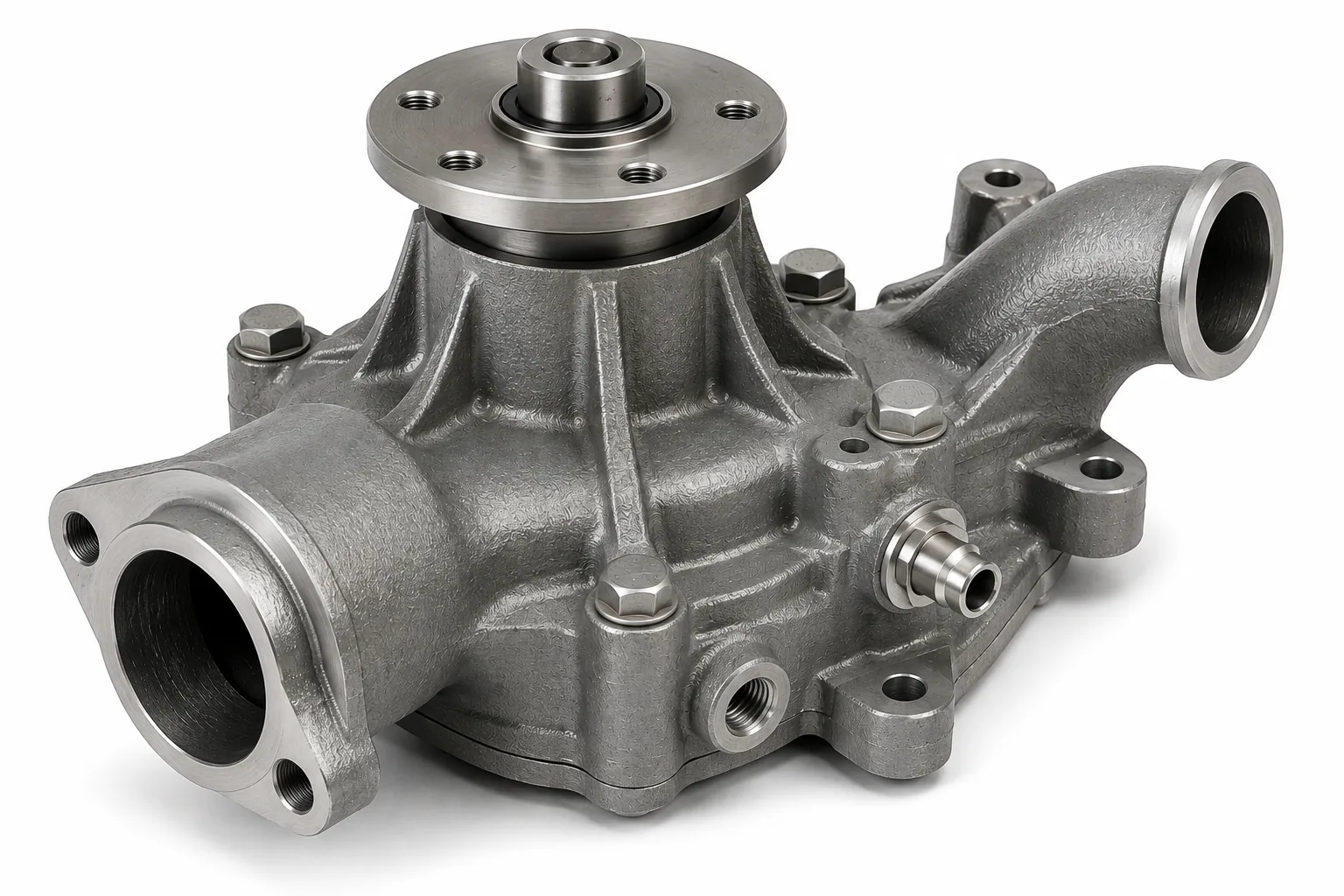 WATER PUMP
 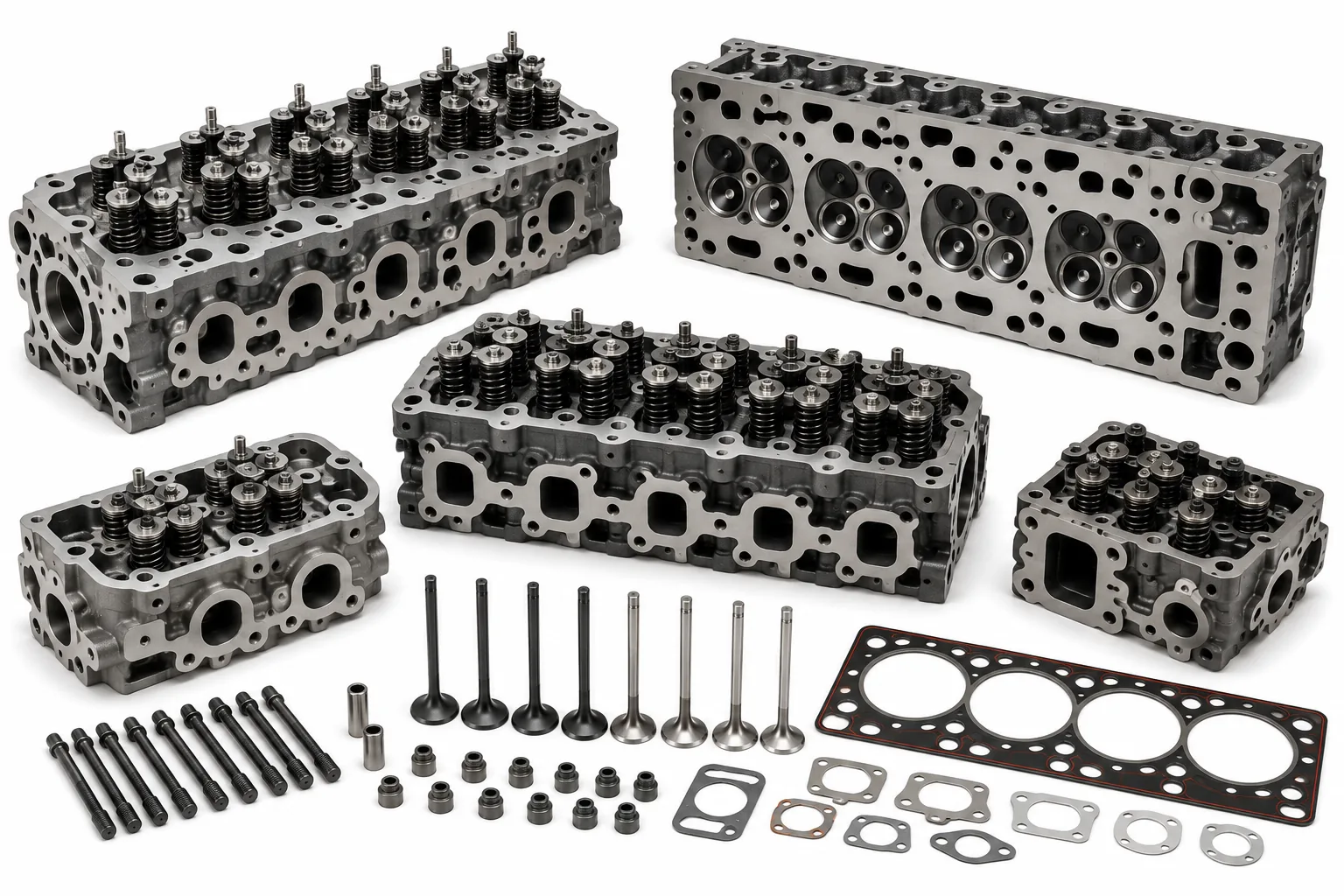 CYLINDER HEAD
  DISPLAY MONITORS
 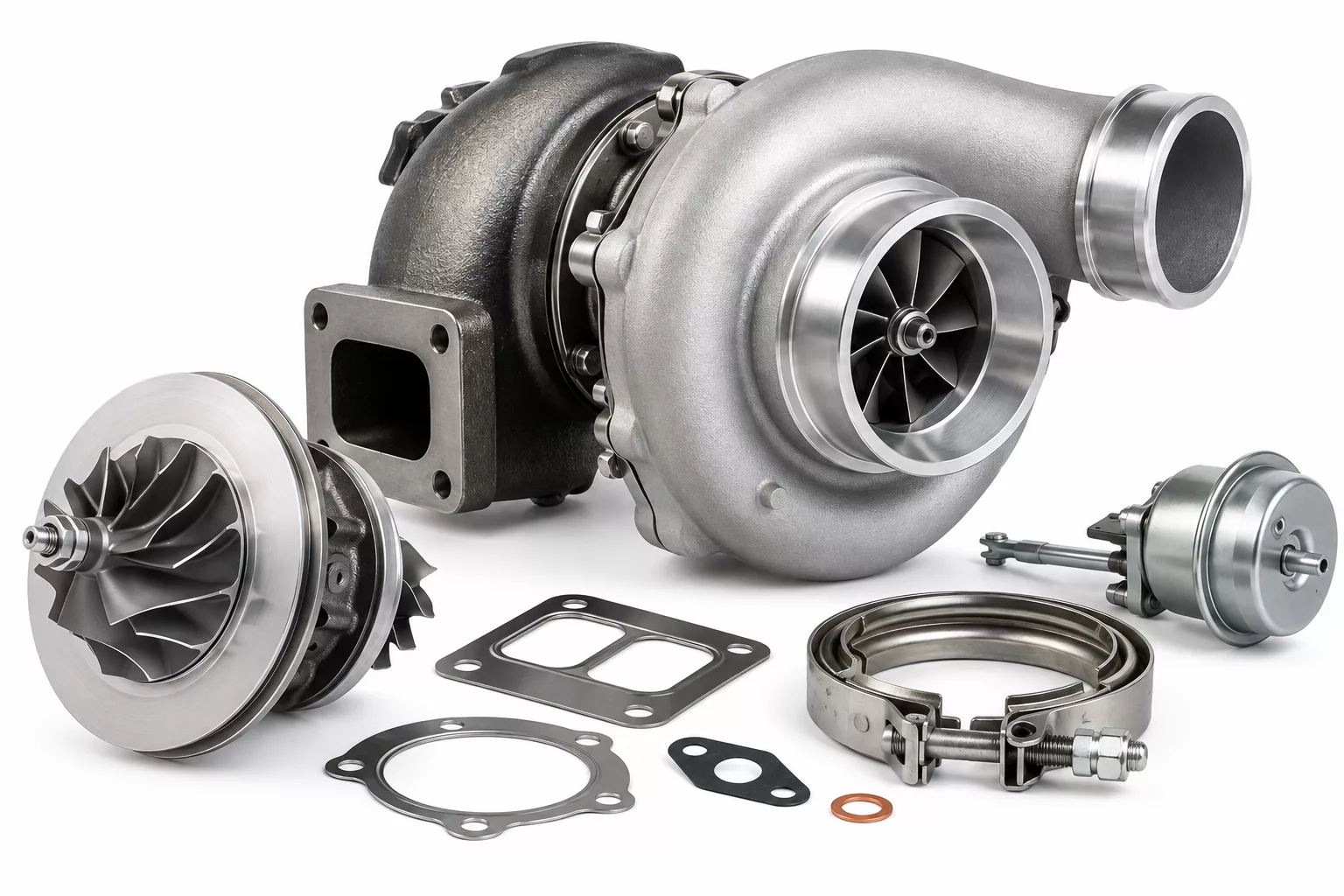 Turbocharger & Cartridge
 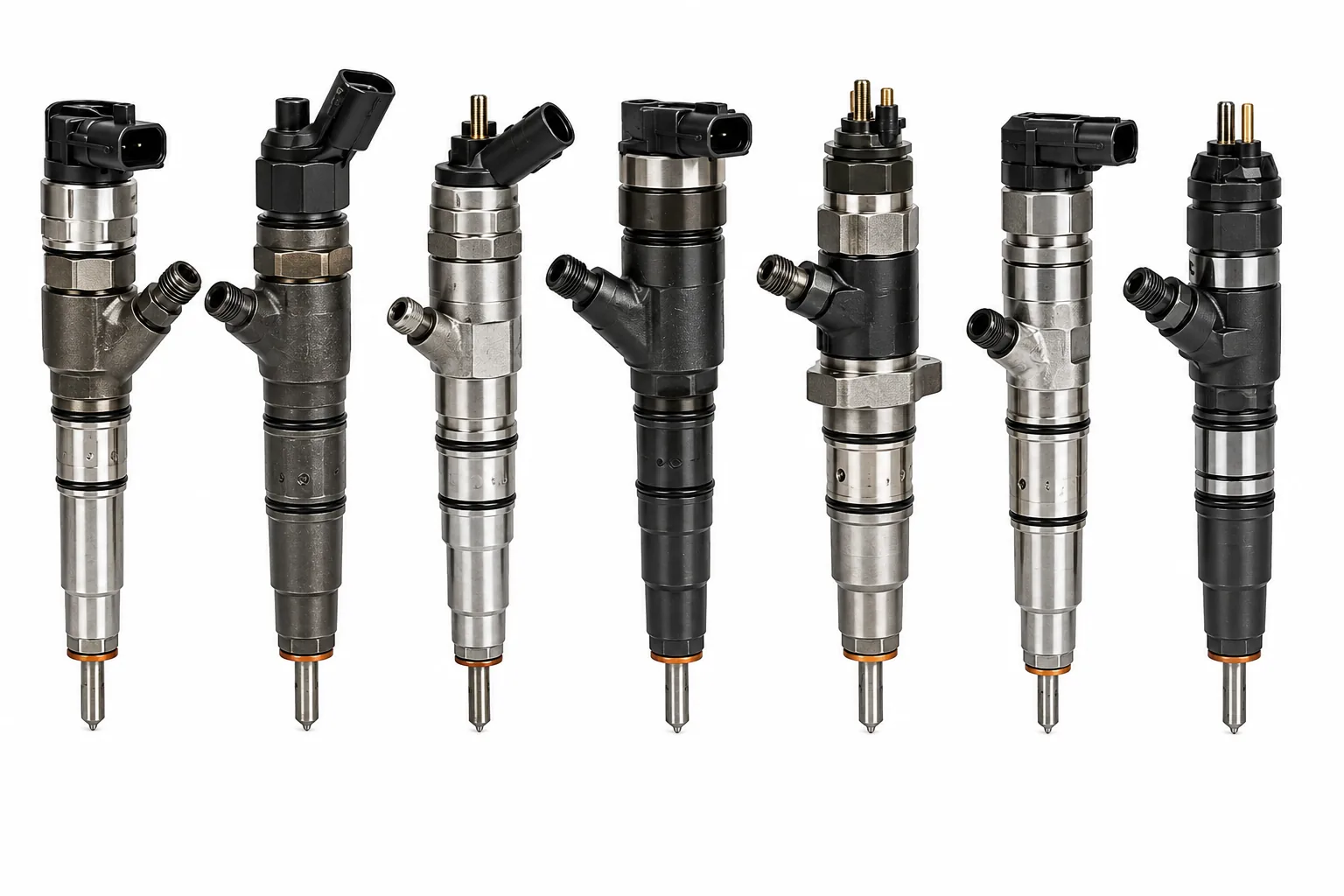 INJECTORS