
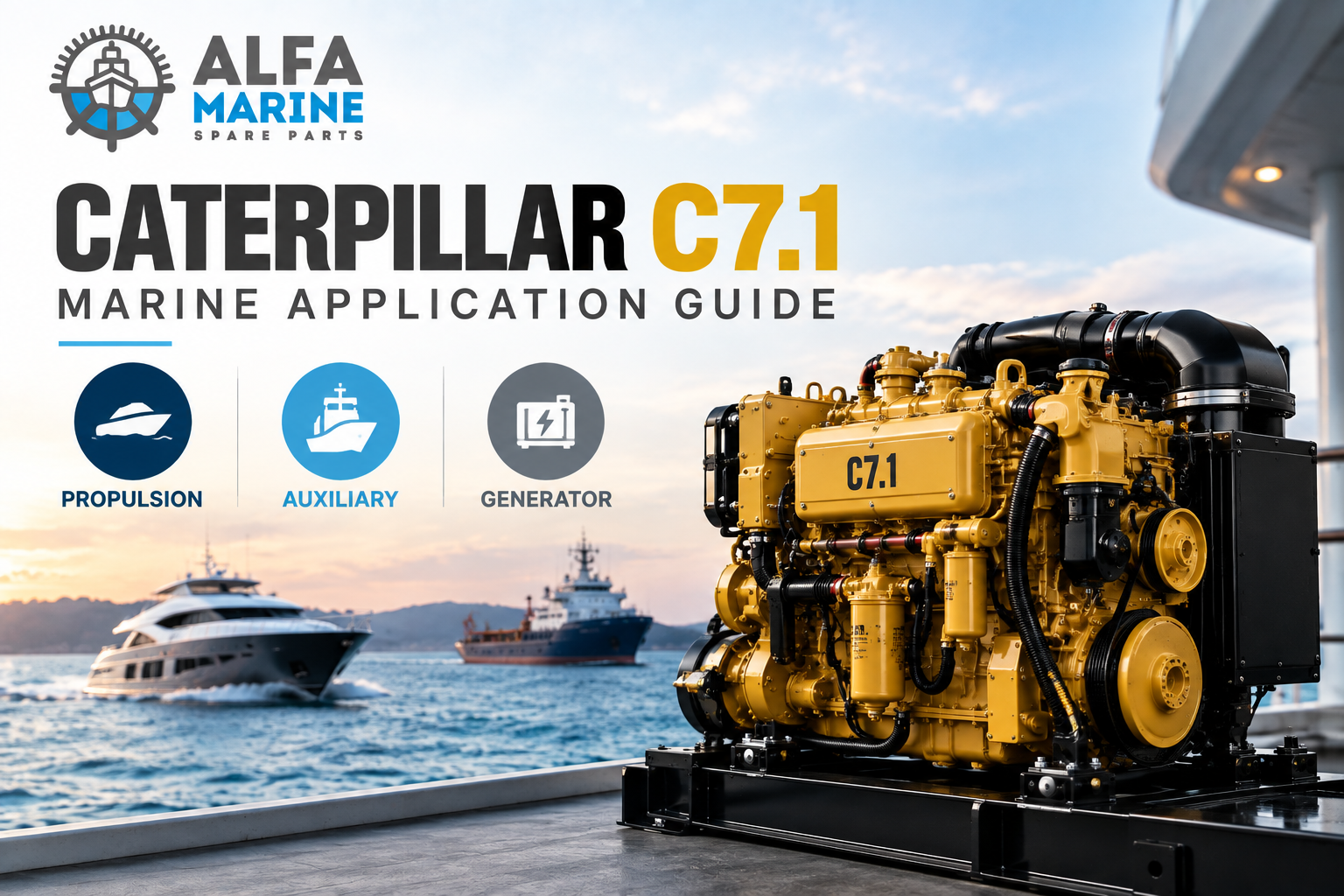

Caterpillar C7.1 Marine Engine Ratings Explained: Propulsion, Auxiliary & Generator Use
Search for Caterpillar C7.1 marine engine specifications and you can quickly find very different power and RPM figures.
One C7.1 may be listed at 209–317 bkW.
Another may show 298–373 bkW.
A C7.1 Electronic auxiliary engine may instead be listed at 109–218 bkW.
You may also see 1500 RPM, 1800 RPM, 2300–2700 RPM or 2900 RPM associated with the C7.1.
So which specification is correct?
Potentially all of them.
The Caterpillar C7.1 is used for different marine duties, and a rating belonging to one application should not automatically be applied to another.
Understanding the difference between commercial propulsion, high-performance propulsion, auxiliary power and generator operation is therefore essential when identifying a C7.1 or comparing technical data.
For general engine and spare-parts information, see our Caterpillar C7.1 Marine Engine Parts page.
Caterpillar C7.1 Basic Engine Architecture
Although ratings vary, the C7.1 configurations discussed here share the same fundamental engine architecture.
| SpecificationCaterpillar C7.1 | |
| Configuration | Inline 6-cylinder |
| Cycle | Four-stroke diesel |
| Displacement | 7.01 litres |
| Bore | 105 mm |
| Stroke | 135 mm |
| Aspiration | Turbocharged-aftercooled |
| Rotation | Counterclockwise from flywheel end |
| Cooling | Configuration and application dependent |
The important point is that engine displacement alone does not determine the rating.
Two engines can both be C7.1 models with the same 7.01-litre displacement and still have substantially different published power and operating-speed specifications.
Why Are There Different C7.1 Power Ratings?
The answer begins with duty.
A propulsion engine driving a vessel through a marine transmission and propeller is doing a different job from an engine providing auxiliary mechanical power or driving a generator.
Even within propulsion, the expected duty can differ.
Caterpillar publishes both a commercial propulsion C7.1 and a high-performance propulsion C7.1.
That is why searching:
“Caterpillar C7.1 horsepower”
can produce an answer that is technically correct for one C7.1 but wrong for another.
C7.1 Commercial Propulsion Rating
For commercial marine propulsion, Caterpillar publishes a C7.1 power range of approximately:
209–317 bkW
or:
280–425 bhp
with a published rated-speed range of:
2300–2700 RPM
This version is an inline-six, four-stroke, 7.01-litre diesel with turbocharged-aftercooled aspiration.
This is a propulsion-engine rating.
The engine provides mechanical power through the vessel's driveline.
That makes these figures fundamentally different from generator electrical-output ratings.
C7.1 High-Performance Propulsion Rating
Caterpillar also publishes a higher-performance C7.1 propulsion configuration.
Its published range is approximately:
298–373 bkW
or:
400–500 bhp
at:
2900 RPM
The basic displacement remains:
7.01 litres
and the bore and stroke remain:
105 × 135 mm.
Yet the published power and rated-speed figures differ considerably from the commercial propulsion version.
This illustrates an important technical principle:
Same engine family does not mean the same rating.
The intended application and rating definition matter.
Does Every C7.1 Produce 500 HP?
No.
Seeing a 500 bhp C7.1 specification does not mean every C7.1 marine engine should be treated as a 500 bhp engine.
That figure belongs to an applicable high-performance propulsion configuration.
A commercial propulsion C7.1 may carry a different rating.
An auxiliary C7.1 is different again.
The correct rating must therefore be established from the exact engine configuration and identification information.
Trying to identify an engine's allowable output from displacement alone is unreliable.
What Is the C7.1 Electronic Auxiliary Engine?
The C7.1 is also available for marine auxiliary duties.
Caterpillar publishes the C7.1 Electronic auxiliary engine across approximately:
109–218 bkW
The engine retains the familiar:
Inline-six configuration
7.01 L displacement
105 mm bore
135 mm stroke
but its intended duty differs from a propulsion engine.
An auxiliary engine may provide mechanical power for onboard equipment or form part of a generator application, depending on the installation.
This is why an auxiliary-engine power figure should not automatically be compared directly with a propulsion horsepower figure.
What Do 1500 and 1800 RPM Mean on a C7.1?
This is another area where C7.1 specifications can appear confusing.
C7.1 generator applications can operate at 1500 or 1800 RPM, depending on the electrical configuration.
For an applicable four-pole generator:
1500 RPM corresponds to 50 Hz
and:
1800 RPM corresponds to 60 Hz
The relationship is:
RPM = (120 × frequency) ÷ number of poles
For a four-pole generator:
(120 × 50) ÷ 4 = 1500 RPM
and:
(120 × 60) ÷ 4 = 1800 RPM
This does not mean the C7.1 engine itself is inherently a “50 Hz engine” or “60 Hz engine.”
Frequency belongs to the generator application and alternator configuration.
Why Can't Generator kW Be Compared Directly With Propulsion bkW?
Because the numbers describe different things.
A propulsion engine's bkW describes mechanical brake power produced by the diesel engine.
A generator's ekW describes electrical output.
The energy path in a generator installation is approximately:
Fuel → diesel engine → mechanical power → generator → electrical power
The generator converts mechanical energy into electrical energy.
Therefore:
Engine bkW ≠ automatically generator ekW
A C7.1 engine power rating should not simply be copied and presented as the electrical output of a generator set.
Horsepower vs bkW
Propulsion specifications commonly show both horsepower and brake kilowatts.
For example, the commercial propulsion C7.1 is published at approximately:
280–425 bhp
and:
209–317 bkW
These are two units describing mechanical power.
One mechanical horsepower is approximately:
0.746 kW
So:
425 bhp × 0.746 ≈ 317 kW
That is why the two published figures correspond closely.
This conversion is different from converting a generator's kVA into electrical kW.
What About kVA?
Generator specifications may include both:
kW
and:
kVA
kVA represents apparent electrical power.
kW represents real electrical power.
The relationship is:
kW = kVA × power factor
This is another reason to establish what kind of rating is being quoted before comparing numbers from different C7.1 specifications.
A figure labelled bhp, bkW, ekW or kVA does not necessarily describe the same type of output.
Why Is Propulsion RPM Much Higher?
A natural question is:
Why can a propulsion C7.1 run at 2300–2700 or 2900 RPM while a generator application may operate at 1500 or 1800 RPM?
Because the applications are different.
In a generator installation, engine speed is closely related to the rotational speed required by the alternator to maintain the specified electrical frequency.
In a propulsion installation, engine power passes through the marine transmission and ultimately drives the propeller.
The transmission reduction ratio allows engine RPM and propeller RPM to be different.
There is therefore no reason a propulsion C7.1 must operate at the same rated speed as a generator application.
Engine RPM Is Not Propeller RPM
Suppose a C7.1 propulsion engine is operating at:
2500 RPM
That does not mean the propeller is turning at 2500 RPM.
The marine transmission normally provides a reduction ratio.
For a simplified example, if the transmission reduction were:
2.0 : 1
then:
2500 engine RPM ÷ 2 = 1250 propeller RPM
The actual reduction ratio must be taken from the installed marine transmission.
This is why engine rating, transmission ratio and propeller selection should be considered together when assessing a propulsion installation.
Commercial vs High-Performance Propulsion
Commercial vessels and high-performance recreational craft do not necessarily operate under the same duty profile.
A commercial vessel may accumulate substantial operating hours and spend long periods under load.
A high-performance yacht or fast craft can have a very different operating profile.
That is why the highest horsepower available within an engine family should not automatically be assumed to be appropriate for another application.
The applicable rating definition and engine documentation should always be checked.
For a broader explanation of where different Caterpillar engines fit within the marine range, see our Caterpillar Marine Engine Types: Differences & Applications.
Why Duty Cycle Matters
Imagine two vessels using C7.1 engines.
The first is a commercial workboat operating for long periods every day.
The second is a recreational motor yacht operating for shorter periods and spending considerably more time at berth.
Even though both engines belong to the C7.1 family, their operating demands are different.
The more useful questions are:
What is the application?
Which rating is installed?
At what RPM is that rating specified?
What duty is expected?
Those questions provide far more useful information than simply asking for the maximum C7.1 horsepower.
Practical Example: Two C7.1 Engines With Different Horsepower
Suppose an engineer sees one C7.1 rated around:
425 bhp
while another C7.1 specification shows:
500 bhp
The first reaction might be:
“Has one engine been derated?”
Not necessarily.
The engines may simply belong to different published propulsion configurations.
The commercial propulsion range reaches approximately 425 bhp, while the high-performance propulsion version reaches approximately 500 bhp.
Before assuming there is a problem, identify the exact engine rating and application.
Practical Example: C7.1 at 1800 RPM
Now consider a C7.1 operating steadily at:
1800 RPM
Someone familiar only with the propulsion version might think:
“That RPM is too low for a C7.1.”
Context changes the answer.
If the engine is being used in an applicable 60 Hz generator installation with a four-pole generator, 1800 RPM can be the expected operating speed.
The same engine family can therefore appear at very different operating speeds depending on its application.
Practical Example: Using the Wrong Specification
A vessel engineer searches online for a C7.1 specification and finds:
2900 RPM
He then compares that figure with an installed C7.1 generator operating at 1500 RPM.
That comparison immediately leads in the wrong direction.
The 2900 RPM figure belongs to a high-performance propulsion configuration.
The 1500 RPM generator application is performing a completely different job.
Before using an online specification for troubleshooting, confirm that the document describes the same C7.1 application as the engine being inspected.
C7.1 Cooling Arrangements
C7.1 marine configurations can use different cooling arrangements depending on application.
This is another reason engines carrying the same C7.1 designation may look different once installed.
A heat-exchanger-cooled propulsion engine and a keel-cooled auxiliary installation should not automatically be diagnosed using identical assumptions about external cooling-water flow.
Always identify the installed cooling arrangement first.
C7.1 Lubrication and Maintenance
Service requirements should always be checked against the operation and maintenance information for the exact C7.1 configuration.
The engine application matters.
A propulsion engine, auxiliary engine and generator installation can experience different operating patterns even when they belong to the same basic engine family.
Maintenance decisions should therefore be based on the individual engine's identification, duty and applicable documentation rather than on a generic online C7.1 interval.
C7.1 Electronic Engine Control
Current C7.1 configurations use electronic engine management appropriate to their application.
Electronic control can manage important aspects of fuel delivery, engine operation and governing.
But a diagnostic fault code should not automatically be interpreted as proof that the named sensor or part itself has failed.
Actual engine behaviour, wiring, connections, operating data and the applicable diagnostic procedure should be considered together.
C7.1 Turbocharger and Charge-Air System
The C7.1 propulsion configurations discussed here use turbocharged-aftercooled aspiration.
Compressing intake air raises its temperature, while aftercooling reduces the temperature of the compressed charge air before it enters the engine.
If a C7.1 experiences loss of power, smoke or difficulty reaching rated RPM, the turbocharger and charge-air system may be among the areas investigated depending on the symptoms.
However, those symptoms alone do not prove that the turbocharger has failed.
Actual boost, intake restriction, exhaust condition, fuel delivery, engine load and other operating information should be considered together.
For deeper information covering this system across the engine family, read our Caterpillar C-Series Turbocharger Inspection & Repair guide.
This creates a direct technical connection between the individual C7.1 article and the broader Alfa Marine C-Series technical content without repeating the entire turbocharger subject here.
How to Identify the Correct C7.1 Rating
Before comparing specifications, collect the engine's identification information.
Useful details include:
- Engine model
- Engine serial number
- Serial-number prefix
- Arrangement information where available
- Rated power
- Rated RPM
- Application
- Generator information if applicable
- Marine transmission information for propulsion installations
A photograph of the complete engine nameplate can be useful because it reduces the chance of one digit or designation being copied incorrectly.
For generator installations, also record the generator nameplate.
For propulsion installations, record the marine transmission model and ratio when the question involves engine speed, propeller speed or driveline configuration.
Why C7.1 Specifications Online Can Be Different
If two C7.1 specification pages show different numbers, do not immediately assume one is incorrect.
Differences may result from:
- Commercial propulsion vs high-performance propulsion
- Auxiliary vs propulsion duty
- Generator application
- Rating definition
- Rated engine speed
- Emissions configuration
- Cooling arrangement
- Vessel application
The correct question is not:
“What is the C7.1 horsepower?”
It is:
“Which C7.1 configuration and rating is installed on this vessel?”
That question usually leads to the correct technical information much faster.
Caterpillar C7.1 Ratings Summary
The Caterpillar C7.1 is a 7.01-litre inline-six, four-stroke marine diesel used across different marine duties.
Published configurations include:
Commercial propulsion: approximately 209–317 bkW / 280–425 bhp at 2300–2700 RPM
High-performance propulsion: approximately 298–373 bkW / 400–500 bhp at 2900 RPM
C7.1 Electronic auxiliary: approximately 109–218 bkW, with 1500/1800 RPM relevant to applicable generator operation.
These figures do not conflict.
They describe different uses and ratings of the C7.1 platform.
When researching specifications, troubleshooting an engine or comparing ratings, establish the application, exact rating and engine identification first.
That is far more reliable than looking for one universal C7.1 horsepower figure.
Frequently Asked Questions
How much horsepower does a Caterpillar C7.1 marine engine have?
It depends on the configuration. Commercial propulsion C7.1 ratings are approximately 280–425 bhp, while high-performance propulsion configurations extend approximately from 400–500 bhp. Auxiliary configurations use different ratings.
Why does one C7.1 run at 1500 RPM while another runs at 2700 or 2900 RPM?
They can be used for different duties. Applicable generator installations may operate at 1500 or 1800 RPM, while propulsion configurations have substantially higher rated engine speeds.
Is a C7.1 generator rating the same as C7.1 propulsion power?
No. Propulsion ratings describe mechanical engine output, typically in bhp or bkW. Generator electrical output is a different measurement and should not be treated as interchangeable with engine mechanical power.
Related Caterpillar C-Series Technical Information
For general engine and spare-parts information, see the Caterpillar C7.1 Marine Engine Parts page.
For comparisons across the wider Caterpillar marine range, read Caterpillar Marine Engine Types: Differences & Applications.
For turbocharger and charge-air troubleshooting across related Caterpillar engines, see Caterpillar C-Series Turbocharger Inspection & Repair.
These internal links connect the C7.1 article to the broader Caterpillar topic cluster while keeping this page focused specifically on C7.1 ratings and applications.
Technical Information Notice
Caterpillar C7.1 specifications vary according to application, rating, engine configuration, emissions requirements and installation.
Always verify the applicable rating and technical information against the identification data and documentation for the individual engine.
Alfa Marine Spare Parts is an independent supplier and is not an authorized Caterpillar dealer or official representative. Caterpillar names and model designations are used solely for identification and technical reference purposes.
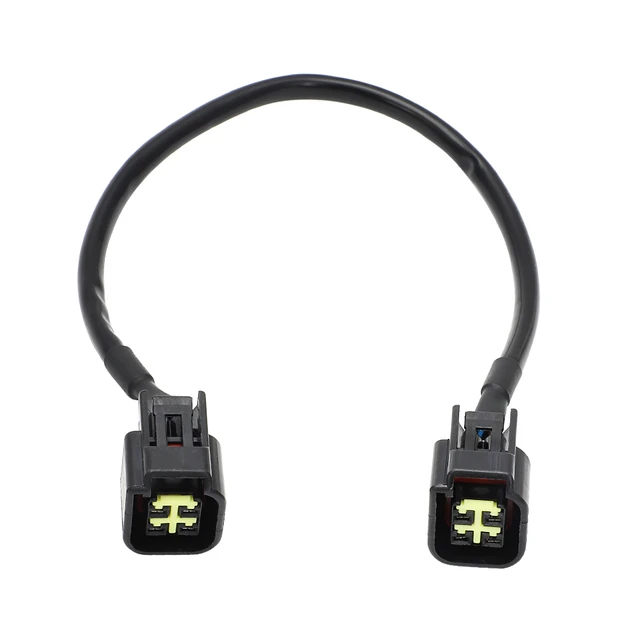 HARNESSES AND WIRE SENSORS
 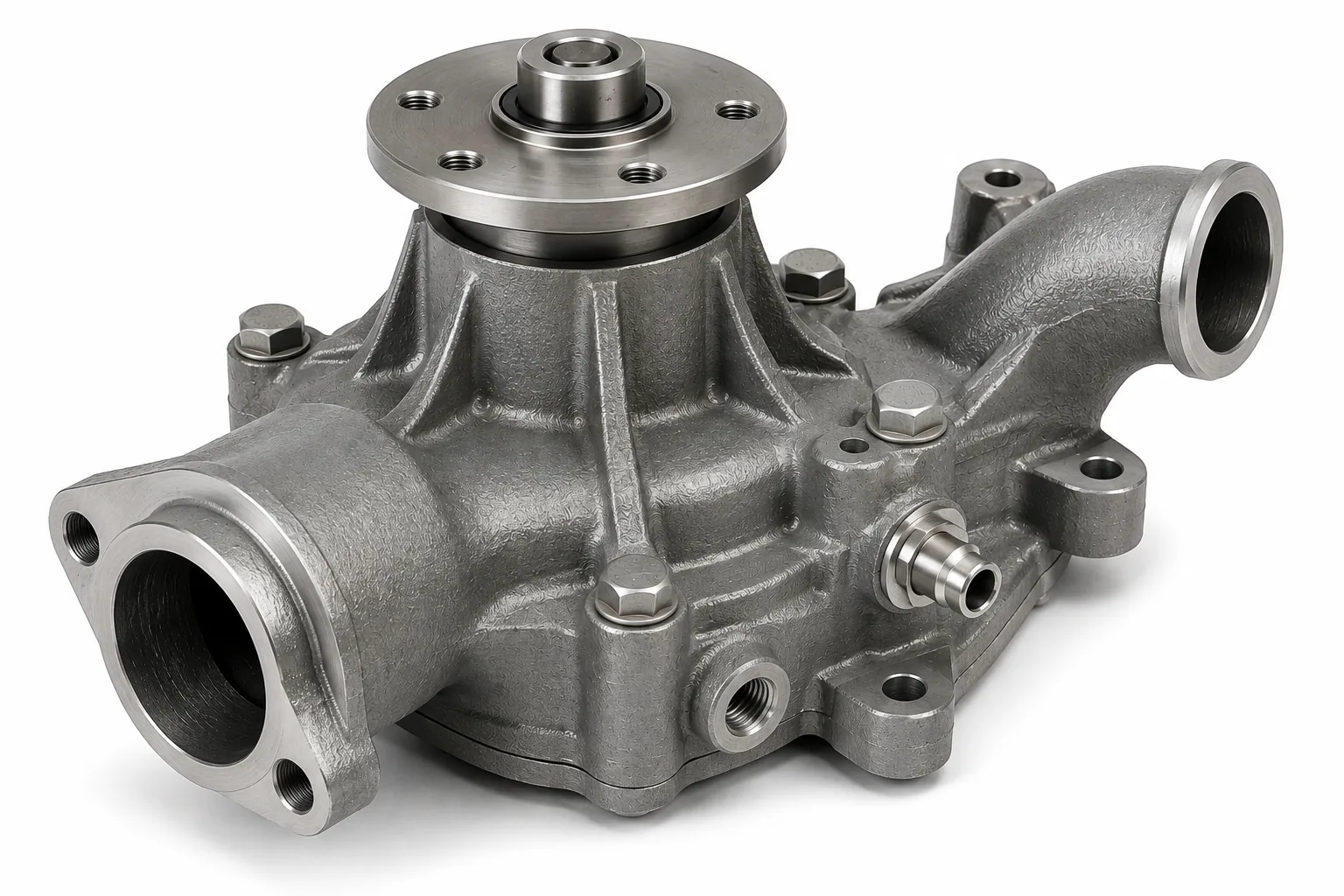 WATER PUMP
 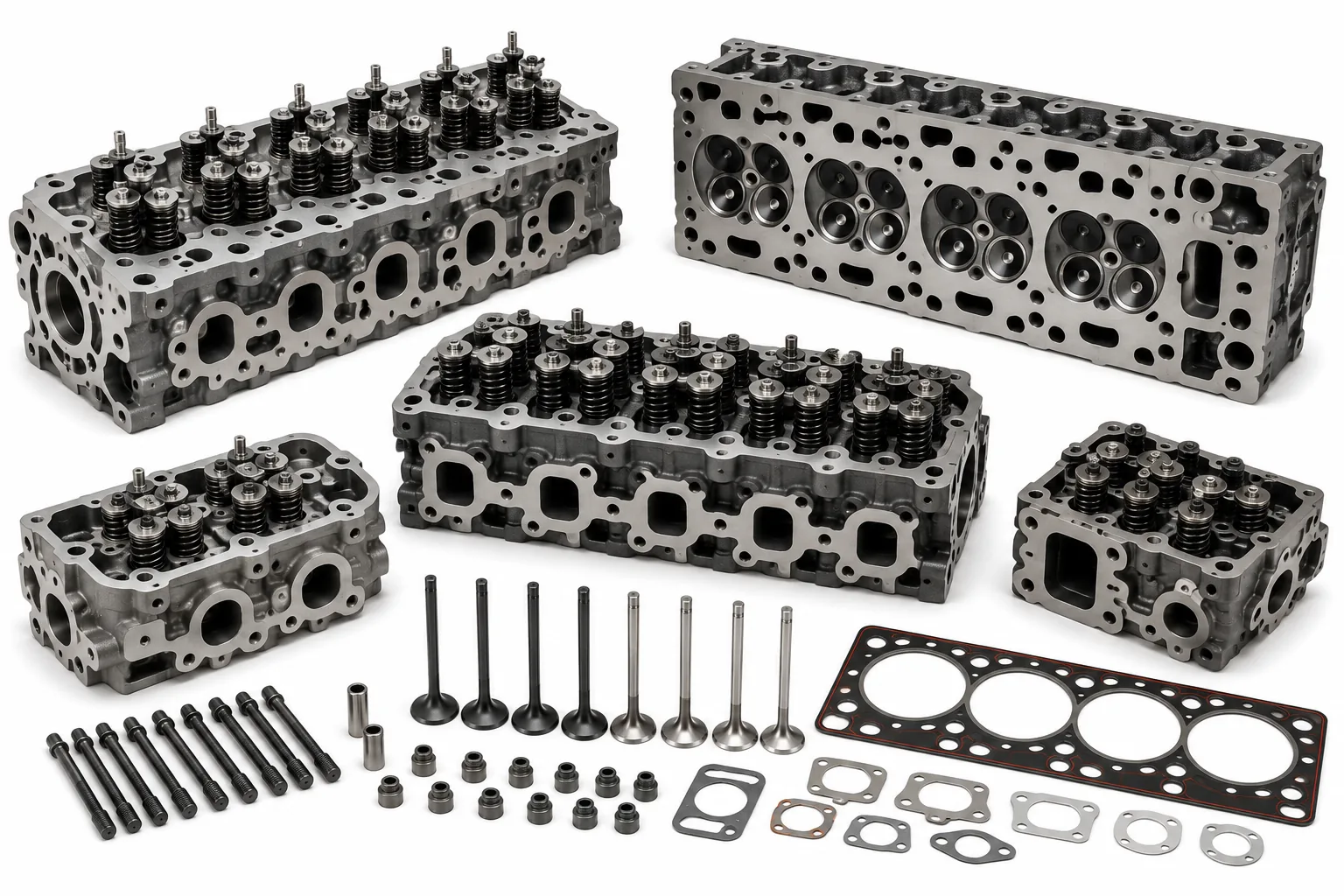 CYLINDER HEAD
 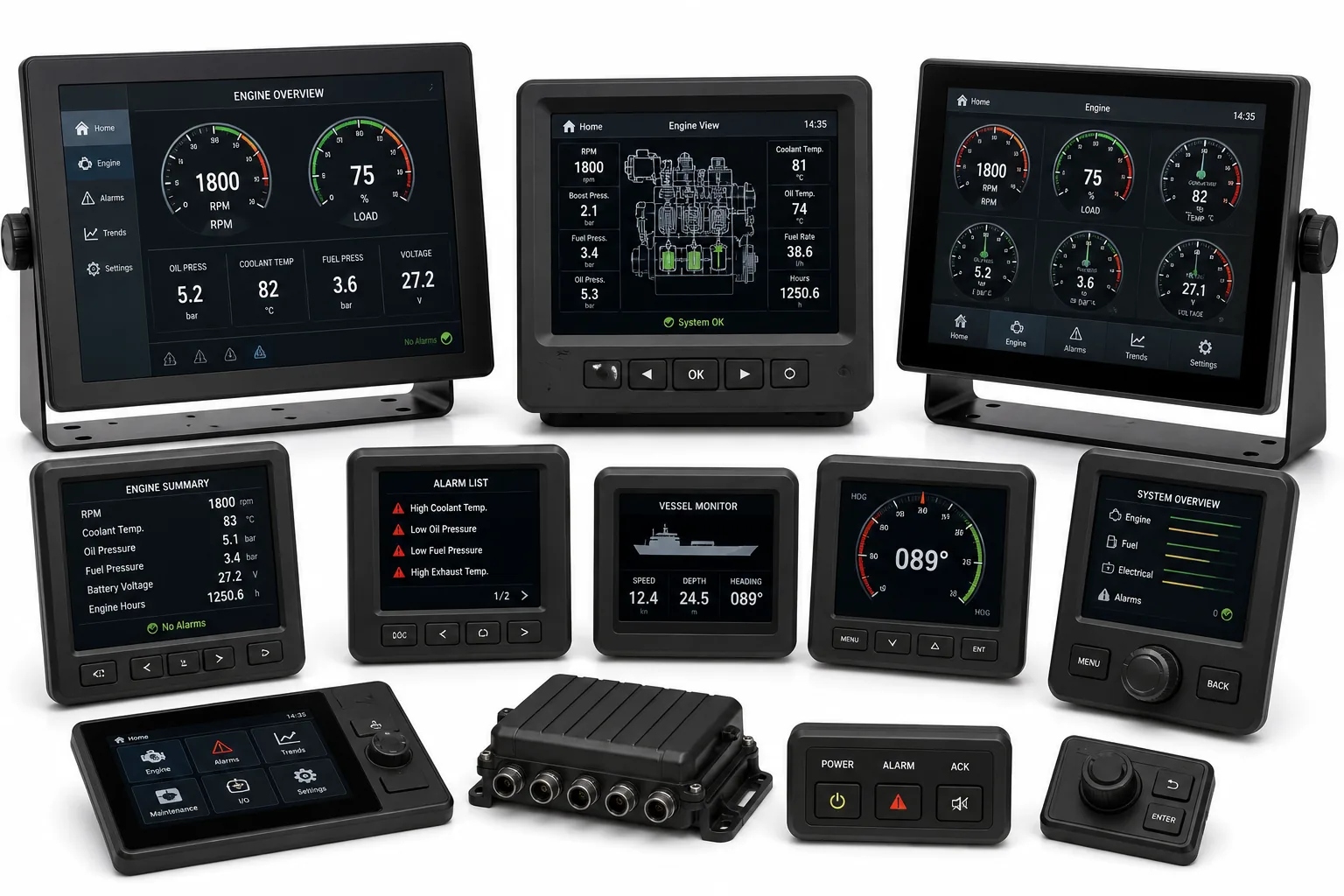 DISPLAY MONITORS
 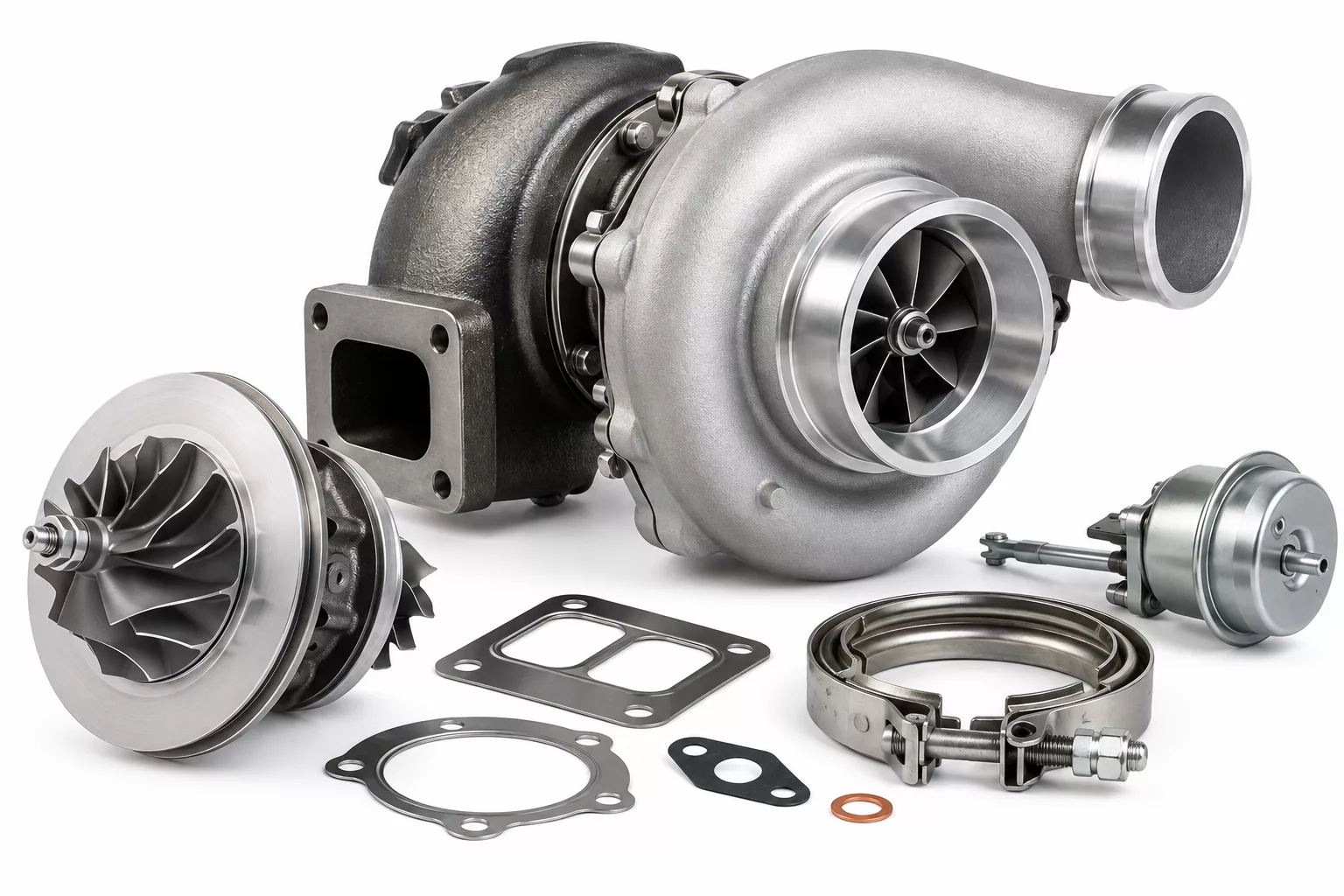 Turbocharger & Cartridge
 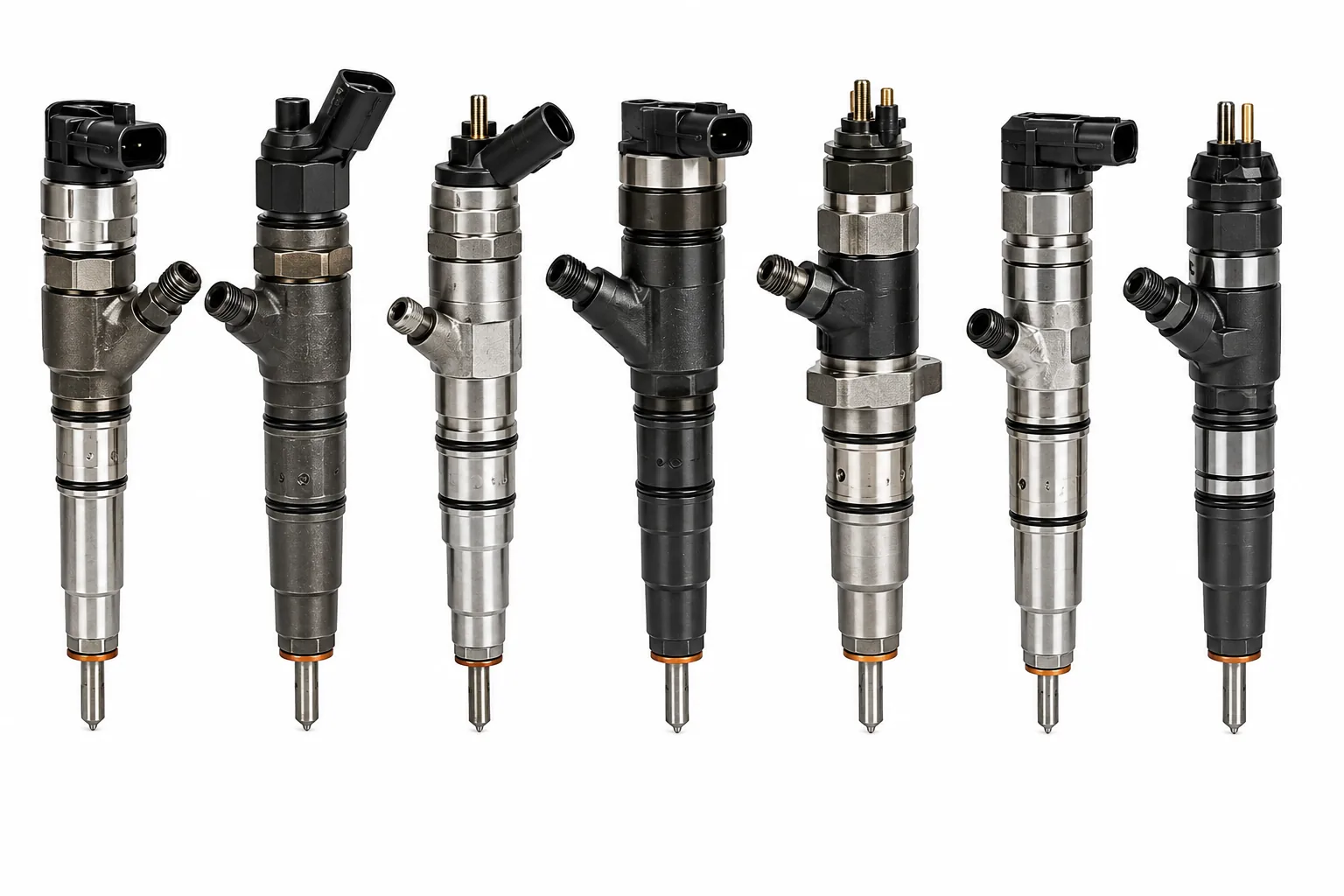 INJECTORS