
Caterpillar C12 vs C12 ACERT Marine Engine: What’s the Difference?
You are standing in the engine room looking at a Caterpillar C12.
Later, you receive a parts quotation or technical document mentioning C12 ACERT.
The obvious question is:
“Is that basically the same engine?”
They certainly have a lot in common.
Both are 12-litre inline six-cylinder marine diesels. Both use a 130 mm bore and 150 mm stroke. Both are turbocharged and aftercooled.
But that does not mean every C12 and C12 ACERT should be treated as the same engine.
The published marine ratings are very different, their applications can be different, and—most importantly when ordering parts—the model name alone is not enough to assume that a part from one engine will fit another.
So rather than asking:
“Is this a C12 part?”
a better question is:
“Which C12 is installed on this vessel?”
For general engine and spare-parts information, see our Caterpillar C12 Marine Engine Parts page.
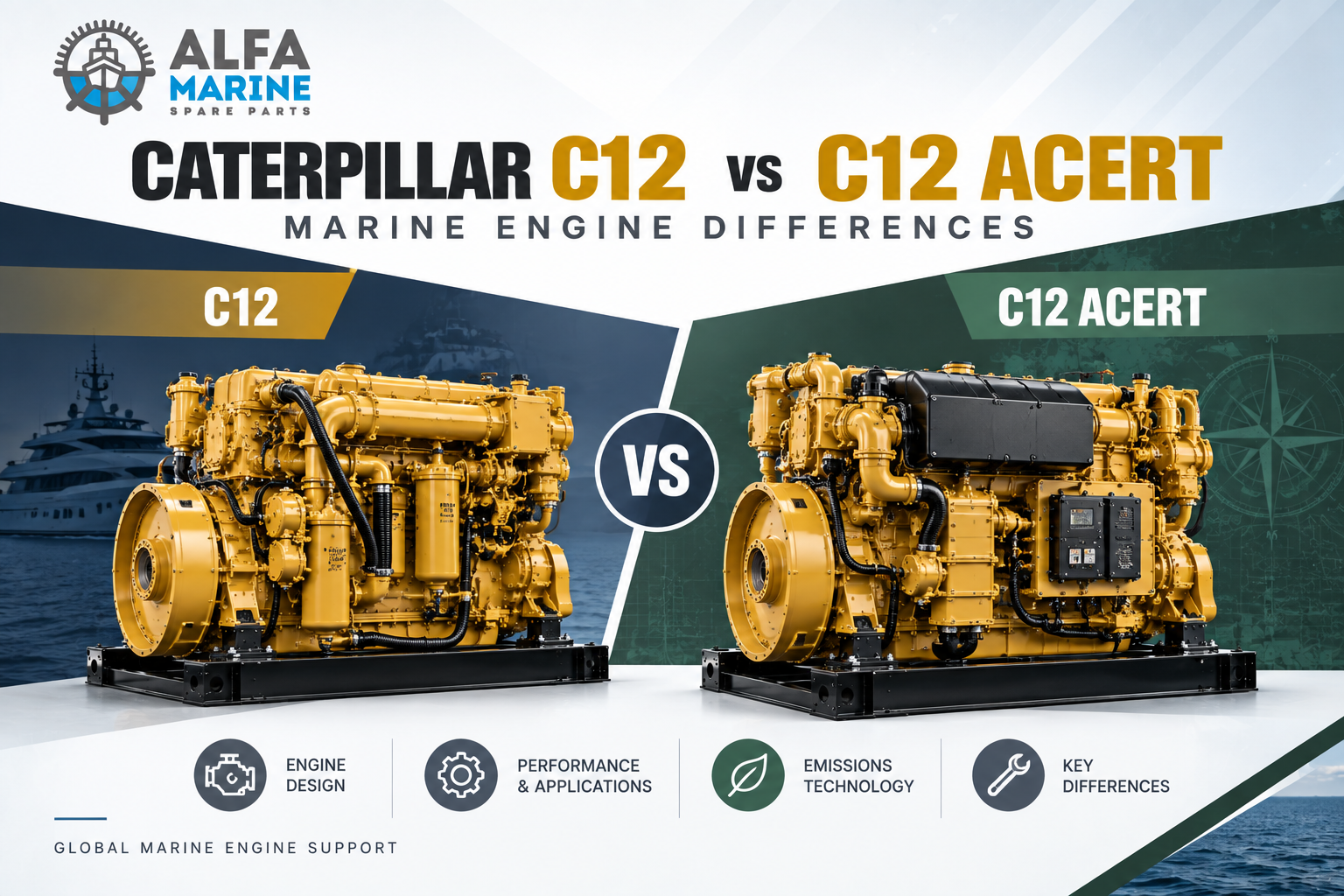
C12 vs C12 ACERT at a Glance
Here is where the difference becomes immediately visible:
| SpecificationC12 Commercial PropulsionC12 ACERT High Performance | ||
| Configuration | Inline 6-cylinder | Inline 6-cylinder |
| Cycle | Four-stroke diesel | Four-stroke diesel |
| Displacement | 12 litres | 12 litres |
| Bore | 130 mm | 130 mm |
| Stroke | 150 mm | 150 mm |
| Aspiration | Turbocharged-aftercooled | Turbocharged-aftercooled |
| Published power range | 340–490 bhp / 254–366 bkW | 660–705 bhp / 492–526 bkW |
| Published speed range | 1800–2300 RPM | 2300 RPM |
| Marine application | Commercial/recreational propulsion | High-performance propulsion |
At first glance, the basic engine architecture looks remarkably similar.
Then you reach the power rating.
That is where assuming “C12 is C12” becomes risky.
Why Does C12 ACERT Have So Much More Published Power?
This is probably the first thing most people notice.
The commercial C12 is published across approximately:
340–490 bhp
while the high-performance C12 ACERT reaches approximately:
660–705 bhp.
That's a large difference for engines sharing the same 12-litre displacement.
But displacement alone doesn't determine the marine rating.
The engine's configuration, calibration, intended application, rated speed and duty all matter.
A high-performance propulsion engine is being offered for a different operating requirement from a commercial propulsion engine.
So finding a 705 bhp C12 ACERT online doesn't mean a 400 bhp commercial C12 is somehow missing 300 horsepower.
They are different ratings for different applications.
A Common Engine-Room Mistake
Imagine a vessel has a C12 rated around 450 bhp.
Someone searches online for C12 information and finds:
C12 ACERT — 705 bhp
Now the questions start.
“Why is ours only 450?”
“Was it derated?”
“Can it be uprated?”
“Is it actually the same engine?”
Those questions are understandable, but they start from the wrong assumption.
Sharing the same displacement and basic architecture doesn't make two engines interchangeable versions of the same rating.
Before comparing horsepower, identify exactly which engine and rating you have.
Is C12 ACERT Just a Newer Name for C12?
This is another easy assumption to make.
You might hear someone say:
“It's a C12, just the ACERT version.”
That description is too loose for technical work or parts identification.
Caterpillar distinguishes the C12 commercial propulsion engine from the C12 ACERT high-performance propulsion engine in its marine information.
So when you're troubleshooting, checking specifications or ordering parts, don't drop the ACERT designation as though it doesn't matter.
Record the complete engine identification.
That small detail can prevent a much bigger mistake later.
What Does ACERT Mean for the Engineer?
From an engine-room perspective, the important point isn't memorising the marketing terminology behind the name.
It's recognising that C12 ACERT identifies a specific Caterpillar engine configuration and application.
If you're looking at technical data for a C12 ACERT, don't automatically apply it to every C12.
And if you're holding a C12 part number, don't assume it belongs on a C12 ACERT simply because both engines say C12.
The exact engine serial and arrangement information remain more useful than the family name by itself.
Can C12 and C12 ACERT Parts Be Interchanged?
This is where the distinction becomes especially important.
The safe answer is:
Do not assume so.
Some parts may be shared across particular configurations or serial ranges.
Others may differ.
That can apply to areas such as:
- Fuel-system parts
- Turbocharger-related parts
- Cooling-system parts
- Sensors and electrical parts
- Gaskets and seals
- Pistons and cylinder parts
- Engine-control parts
- Service parts
The correct way to identify a replacement isn't:
“It came from a C12, so it should fit another C12.”
Use the part number together with the engine serial number and applicable arrangement information.
If the old part still has a readable number, record that as well.
A Realistic Parts Scenario
A chief engineer removes a faulty part from a C12.
The purchasing department receives a quotation for what appears to be the same part, but the description says C12 ACERT.
Visually, the replacement looks very similar.
Do you install it?
Not based on appearance alone.
First compare the part number.
Then check the engine serial information.
If the numbers supersede or cross-reference correctly for that exact engine, you have useful evidence.
If they don't, the fact that both engines belong to the C12 family isn't enough.
This is particularly important with parts where a small difference in specification may not be obvious from a photograph.
Don't Identify the Engine by Horsepower Alone
Horsepower can help narrow things down, but it shouldn't be your only identification method.
The standard commercial C12 covers a broad range from approximately:
340 to 490 bhp
at rated speeds between:
1800 and 2300 RPM.
The C12 ACERT high-performance engine is published at:
660 to 705 bhp
at:
2300 RPM.
Those figures provide a useful clue.
But the nameplate is still the better starting point.
Two engines can share an RPM figure while having completely different ratings and applications.
2300 RPM Doesn't Automatically Mean C12 ACERT
This is worth pointing out because the number appears in both sets of specifications.
The C12 ACERT high-performance engine is published at:
2300 RPM.
But the commercial C12 range also extends to ratings at:
2300 RPM.
So if someone tells you:
“It's a 2300 RPM C12.”
you still don't know enough.
You need the rated power and engine identification as well.
RPM is a clue.
It isn't the complete identity of the engine.
What About the Fuel System?
Both Caterpillar marine descriptions refer to electronically controlled unit-injection fuel-system technology.
For practical troubleshooting, the more important lesson is not to assume that every fuel-system part is identical simply because the engines share the C12 name.
If you have an injector, pump-related part, sensor or electronic-control issue, identify the exact engine before ordering.
The same principle applies when interpreting a fault.
Smoke, low power or poor acceleration doesn't automatically tell you which fuel-system part has failed.
Those symptoms need to be considered together with engine data and the actual operating condition.
Turbocharger and Aftercooler Differences Matter Too
Both engines are turbocharged and aftercooled.
That doesn't mean you should assume every turbocharger, aftercooler-related part, hose, gasket or air-system part is interchangeable.
This becomes especially relevant because the published power ranges are so different.
If you're investigating low boost or poor performance, first establish the engine's correct rating.
Otherwise you may compare the engine against boost, power or RPM expectations belonging to another C12 configuration.
For broader air-system troubleshooting, see our Caterpillar C-Series Turbocharger Inspection & Repair guide.
When “Low Power” Isn't Actually Low Power
Consider this situation.
A vessel changes ownership.
The new engineer knows the engines are Caterpillar C12s but doesn't yet have all the documentation.
He finds a C12 ACERT specification showing more than 700 bhp.
The installed engines are nowhere near that output.
Does that mean they're underperforming?
Not necessarily.
If they are commercial C12 engines with a substantially lower published rating, comparing them against the high-performance C12 ACERT figure tells you nothing useful about their condition.
Before diagnosing low power, confirm what power the installed engine was actually rated to produce.
The Same Applies to Rated RPM
Suppose the engine reaches 2000 RPM under the appropriate operating condition.
Is that normal?
Again, we need more information.
The commercial C12 has ratings across an 1800–2300 RPM range.
A particular engine may therefore have a rated speed below the 2300 RPM figure somebody found online.
The first troubleshooting step shouldn't be adjusting anything.
It should be reading the engine identification.
Vessel Application Gives You Another Clue
The type of vessel can help explain why different C12 specifications appear.
The commercial C12 is offered for commercial and recreational marine propulsion applications.
The C12 ACERT specification discussed here belongs to Caterpillar's high-performance propulsion range.
That distinction matters.
A commercial vessel accumulating long operating hours under demanding service and a high-performance recreational craft don't necessarily require the same engine rating.
The engine family may be similar.
The intended duty isn't.
For a wider look at how Caterpillar engine applications differ, see our Caterpillar Marine Engine Types: Differences & Applications.
What Should You Check Before Ordering C12 Parts?
If you're ordering a simple filter and already have a confirmed part number, identification may be straightforward.
But when you're dealing with an injector, turbocharger, water pump, piston, sensor, gasket set or overhaul requirement, send more information.
Ideally, record:
- Complete engine model
- Engine serial number
- Serial-number prefix
- Arrangement number where available
- Existing part number
- Part description
- Quantity required
A photograph of the engine nameplate is also useful when the information is difficult to read or there is uncertainty about the exact model.
For removed parts, clear photographs of the part and its identification markings can help too.
Why the Serial Number Matters More Than “C12”
Think of C12 as the beginning of the identification process, not the end.
It tells you the engine family.
The serial number takes you much closer to the individual engine.
That's important because production changes, rating differences and application-specific arrangements can exist within an engine family.
This is why professional parts identification usually starts with:
“Please send the engine serial number.”
It isn't unnecessary paperwork.
It's there to avoid supplying a part based on an assumption.
Can You Tell C12 and C12 ACERT Apart by Looking at Them?
Sometimes there may be visible differences in an installation.
But appearance isn't a reliable identification method.
Engine-room access may be poor.
Guards, piping, paint, insulation and vessel-specific installations can hide details.
Engines may also have had parts replaced over their working life.
The nameplate and serial information are much more dependable than:
“It looks like the one in this photo.”
Use photographs to support identification—not replace it.
What If the Engine Plate Is Difficult to Read?
This happens more often than people expect.
The plate may be dirty, damaged, painted over or positioned where getting a clear photograph is difficult.
If that happens, collect whatever information is still available.
Look for:
- Partial serial information
- Existing part numbers
- Previous service records
- Engine documentation
- Arrangement references
- Rated power and RPM
- Clear photographs
Don't guess a missing digit if you're ordering an expensive or critical engine part.
A wrong assumption can create a much bigger problem than taking extra time to identify the engine correctly.
C12 vs C12 ACERT: The Main Difference to Remember
Both engines share a 12-litre inline-six architecture, with a 130 mm bore and 150 mm stroke, and both are turbocharged and aftercooled.
But their published marine propulsion ratings tell very different stories.
The commercial C12 covers approximately:
340–490 bhp / 254–366 bkW at 1800–2300 RPM
while the C12 ACERT high-performance propulsion engine is published at approximately:
660–705 bhp / 492–526 bkW at 2300 RPM.
So don't use the shared displacement to assume the engines have the same rating.
And don't use the shared C12 name to assume every part is interchangeable.
When the question is technical data, troubleshooting or parts identification, always come back to the same three things:
Exact engine designation.
Engine serial information.
Installed rating and application.
Those tell you far more than the C12 name by itself.
Frequently Asked Questions
My engine plate just says C12. How do I know whether I should be looking at C12 ACERT information?
Start with the full engine identification rather than trying to decide from appearance. Record the serial number, rated horsepower or bkW and rated RPM from the nameplate. If you're ordering parts, send that information with the existing part number whenever possible. Don't add the ACERT designation simply because an online engine looks similar.
I found a C12 ACERT part that looks exactly like the one on my C12. Can I use it?
Don't decide from the photograph alone. Check the actual part number against the serial and arrangement information for your engine. Some parts may apply across particular configurations, while others can differ even when they look nearly identical.
Why is my C12 rated around 400–490 hp when I keep finding 700 hp C12 engines online?
You're probably looking at different C12 marine applications or ratings. The commercial C12 range is published at 340–490 bhp, while the high-performance C12 ACERT range discussed here is 660–705 bhp. That doesn't mean your engine is losing power; first confirm which C12 configuration is installed.
Related Caterpillar C-Series Technical Information
For general engine and spare-parts information, see our Caterpillar C12 Marine Engine Parts page.
For the wider family, visit our Caterpillar C-Series Marine Engine Parts page.
For comparisons between different Caterpillar marine engines and applications, read Caterpillar Marine Engine Types: Differences & Applications.
For turbocharger and charge-air troubleshooting, see Caterpillar C-Series Turbocharger Inspection & Repair.
Technical Information Notice
Caterpillar C12 specifications and parts can vary according to engine rating, serial range, application, configuration and installation. Always verify technical information and replacement parts against the identification data for the individual engine.
Alfa Marine Spare Parts is an independent supplier and is not an authorized Caterpillar dealer or official representative. Caterpillar names, model designations and part numbers are used solely for identification and technical reference purposes.
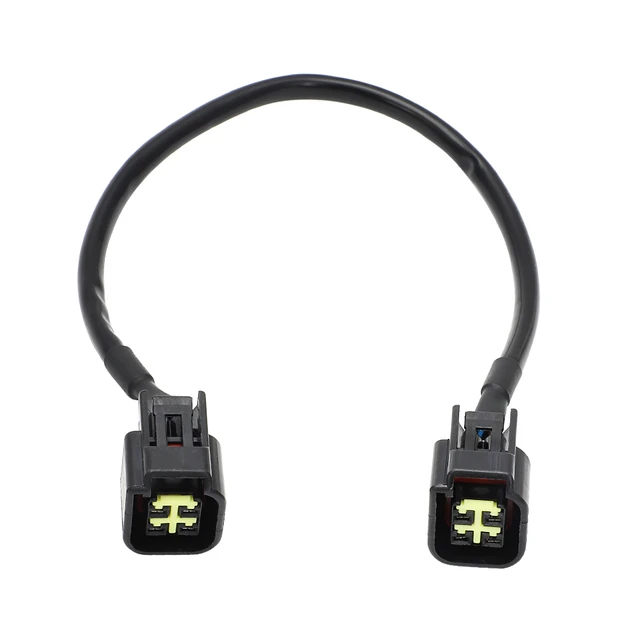 HARNESSES AND WIRE SENSORS
 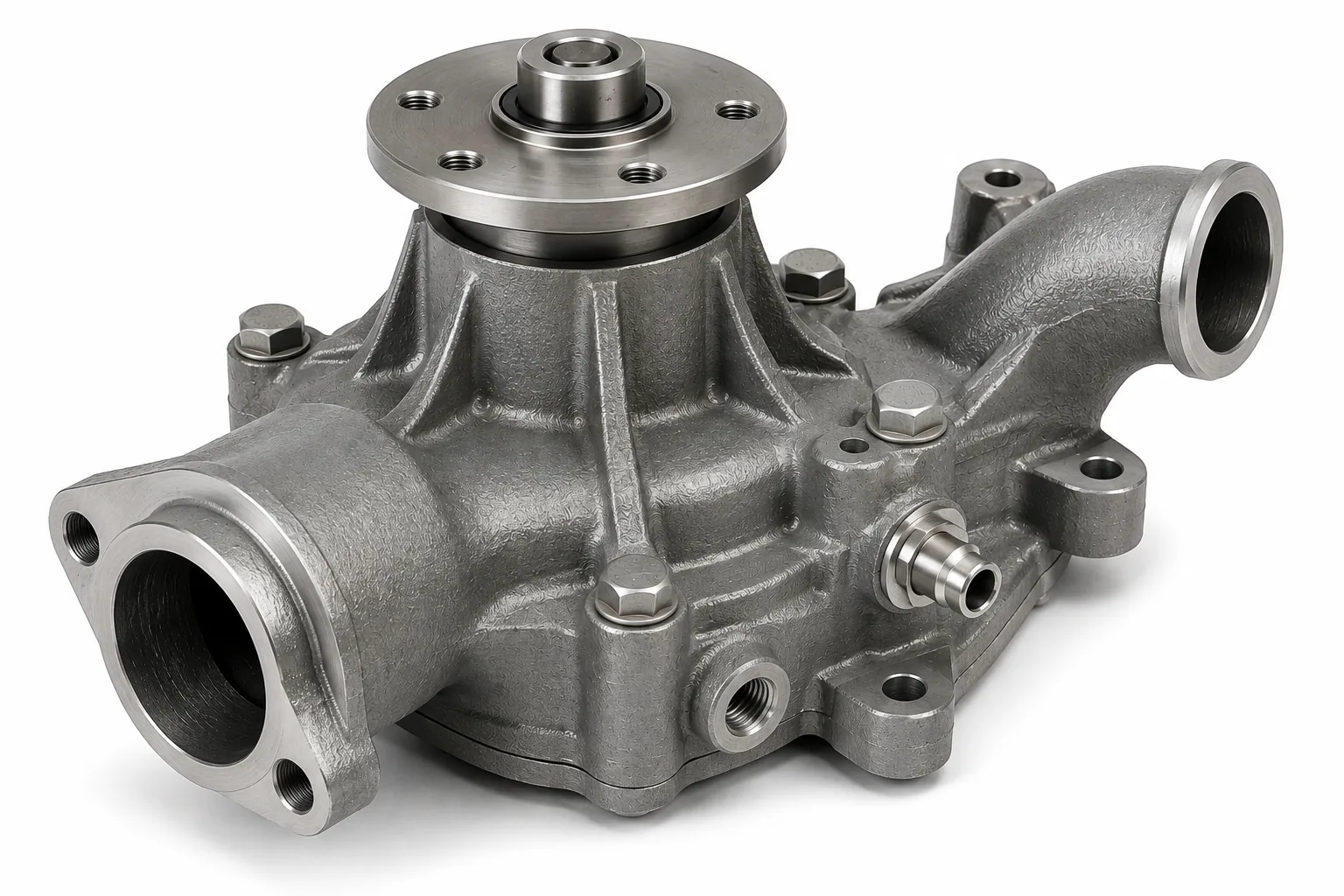 WATER PUMP
 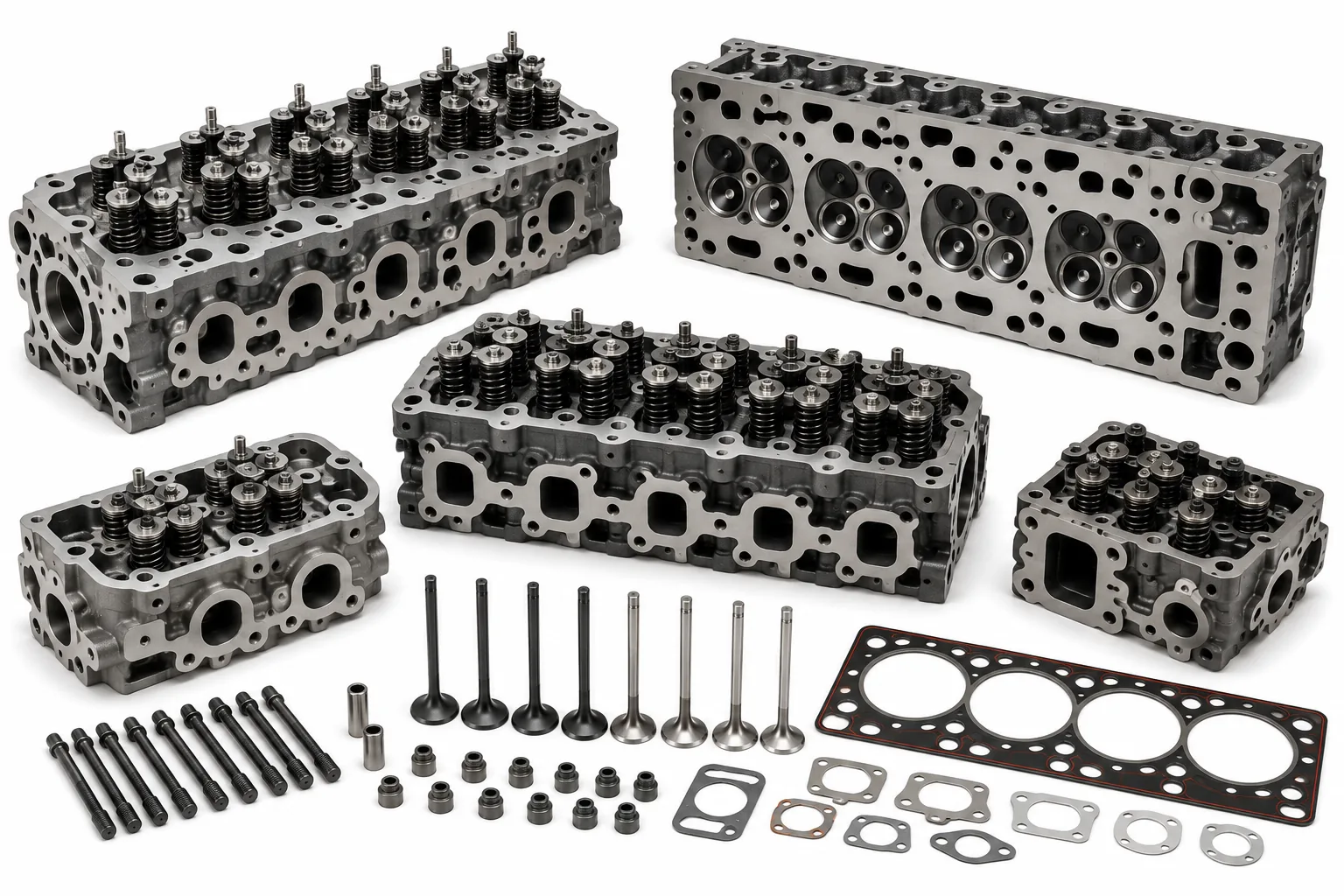 CYLINDER HEAD
 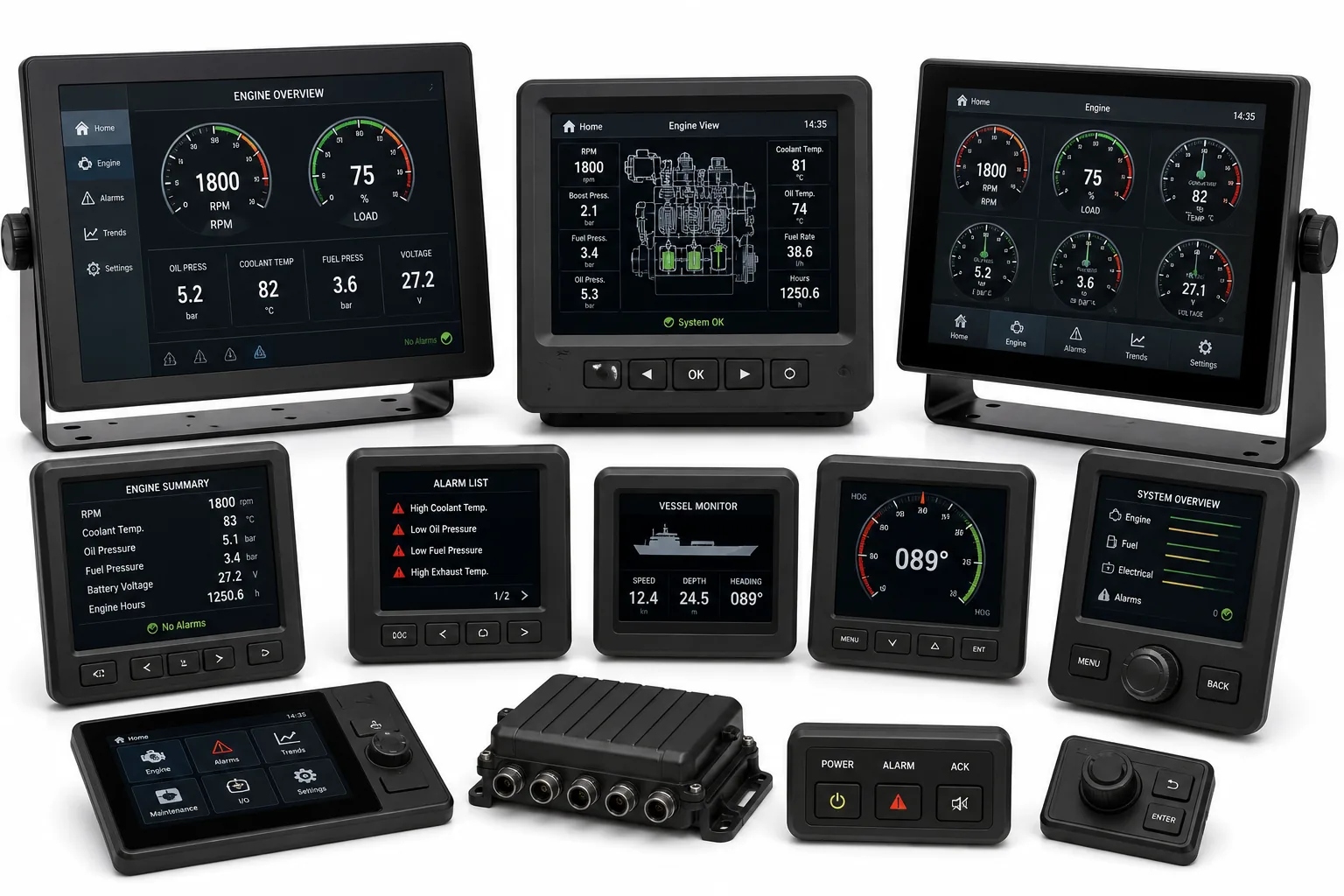 DISPLAY MONITORS
 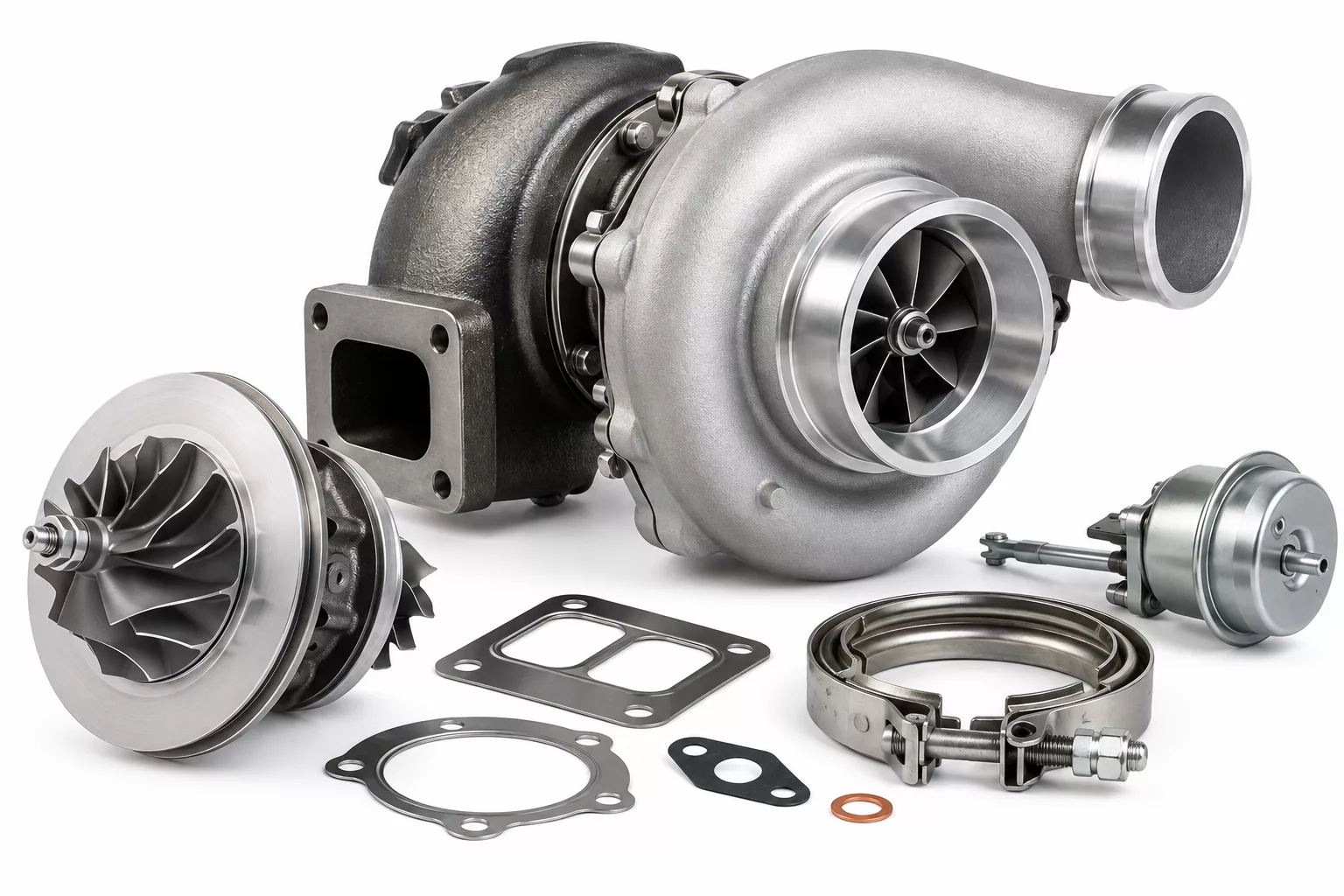 Turbocharger & Cartridge
 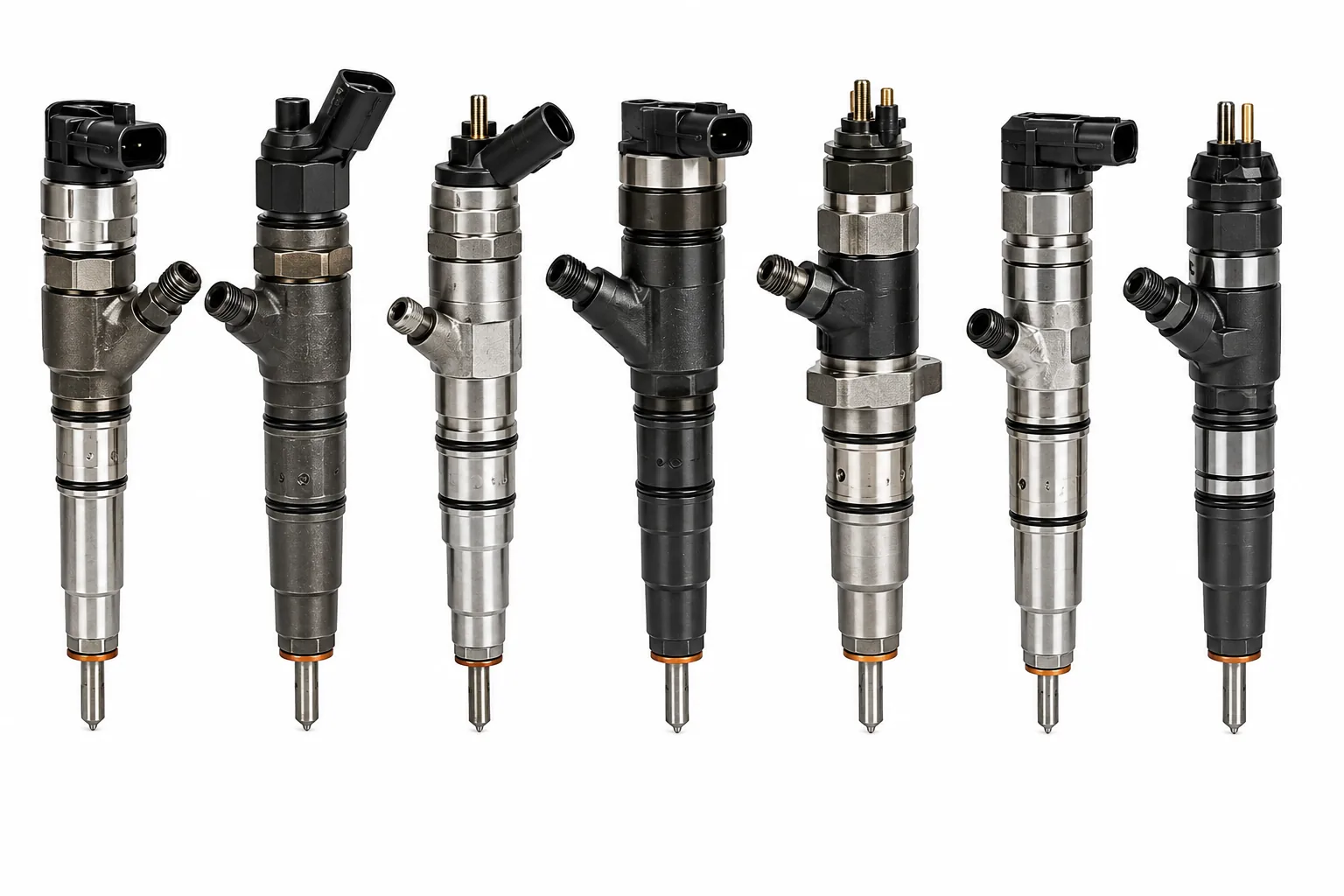 INJECTORS