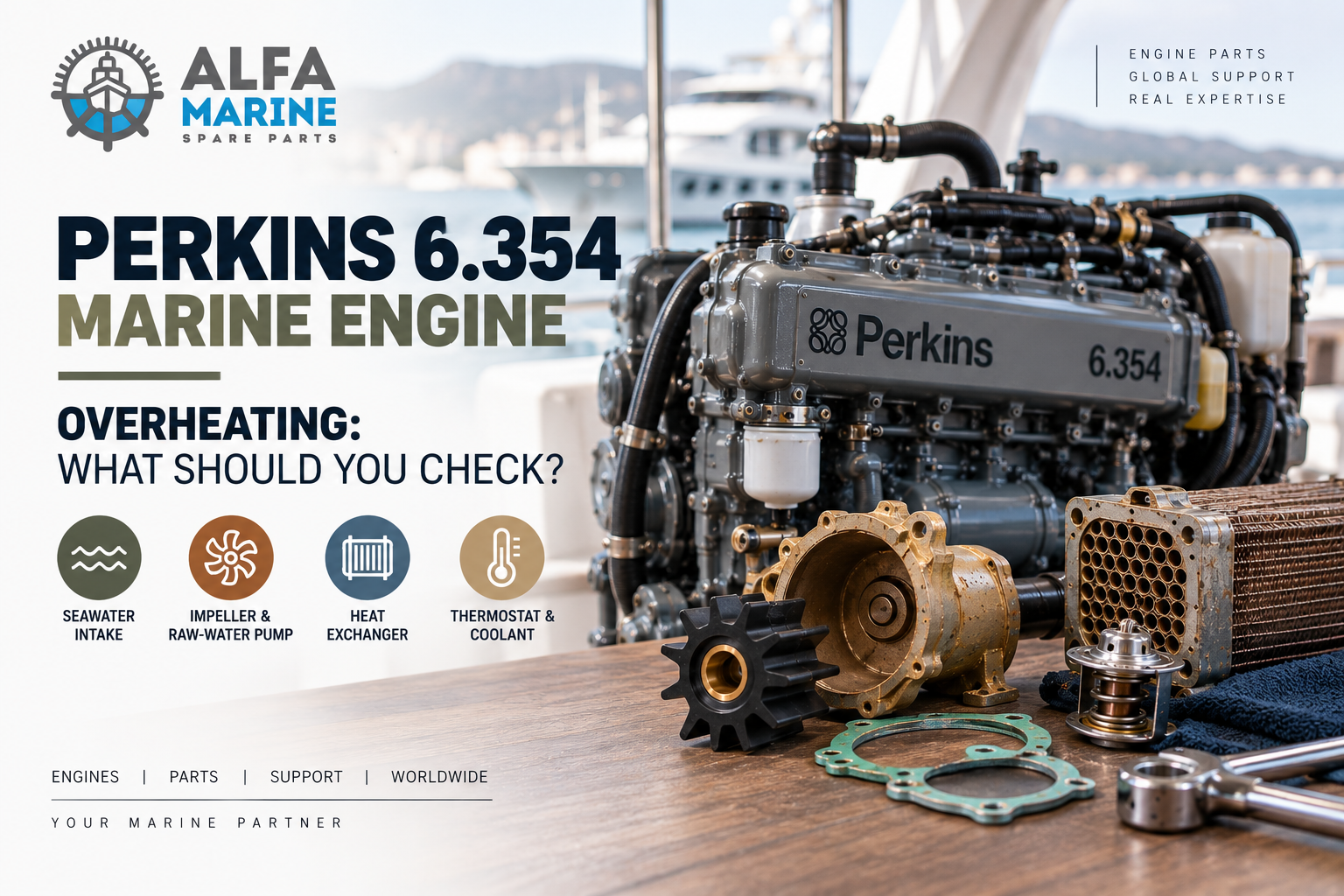
Perkins 6.354 Marine Engine Overheating: What Should You Check?
Your Perkins 6.354 starts normally and the temperature looks fine at the berth.
Then you head out, bring the engine up to cruising speed and the temperature starts creeping up.
You slow down and it drops again.
So what's going on?
Before ordering a water pump, thermostat or heat exchanger, check the simple things first. An overheating problem doesn't always mean a part has failed.
For parts and engine information, see our Perkins 6.354 Marine Engine Parts page.
Is Enough Seawater Getting Through?
Start with the seawater side.
Check the seacock and open the strainer. Weed, shells, sand or even a piece of plastic can reduce the water flow.
It doesn't have to be completely blocked.
There may still be enough water for the engine to idle normally, but not enough once you're underway and the engine is working harder.
If you have a wet exhaust, look at the water coming out too.
Does it look like less than usual?
If it does, you already have a good place to start looking.
When Was the Impeller Last Changed?
Next, have a look at the raw-water pump and impeller.
An old impeller can have cracked, worn or missing blades and still move some water.
If you take it out and find a piece missing, don't just fit a new one and forget about it.
Where did the missing piece go?
It may have travelled farther through the cooling system and could now be restricting the water flow somewhere else.
And if you've already fitted a new impeller but the engine is still getting hot, check the pump itself as well.
Have a Look at the Heat Exchanger
If the seawater supply and pump look good, the heat exchanger is worth checking on engines fitted with one.
Over the years, salt, scale, dirt and bits of old impeller can build up inside.
The engine may still run happily at low RPM, but once you're asking for more power, the cooling system can't get rid of the heat quickly enough.
For more on this, see our Marine Heat Exchangers & Cooling System Spare Parts guide.Marine Heat Exchangers & Cooling System Spare Parts | Alfa Marine Spare Parts
What About the Coolant and Thermostat?
Don't forget the engine-coolant side.
When the engine is cold, check the coolant level and look around for signs of a leak.
Think about when the problem started too.
Was the coolant recently changed? Was the cooling system opened? Did the overheating start just after some work was done?
The thermostat could also be involved, but I wouldn't change it just because the engine is running hot.
Find out what's causing the problem first.
Only Getting Hot at High RPM?
That's an important clue.
If the temperature stays normal at moderate speed but rises when you push the engine harder, the cooling system may not be keeping up.
But the cooling system isn't the only thing to think about.
A dirty hull or propeller problem can make the engine work harder than it should.
So don't just ask:
“What's wrong with the cooling system?”
Also ask:
“Is the engine working harder than normal?”
When Did It Start?
This simple question can save a lot of time.
Did it start after maintenance?
After the boat went back into the water?
Did it happen suddenly, or has the engine slowly been running hotter over time?
Does it only happen after twenty or thirty minutes?
Those details can tell you a lot more than simply saying “the engine is overheating.”
Need Perkins 6.354 Cooling Parts?
Once you know what you need, make sure the part is correct for your engine.
There are different Perkins 6.354 versions and marine installations, so the engine model alone may not be enough.
See our Perkins Marine Perkins | Alfa Marine Spareparts Engine Parts page for the wider range.
For a quote, send us your:
Engine model · Serial number · Existing part number · Quantity · Delivery destination
Don't know the part number? Send us a clear photo of the engine nameplate and the part you need.
Request a Quote
Frequently Asked Questions
Why does my Perkins 6.354 only overheat when I'm underway?
Start by checking the seawater flow, strainer, impeller and raw-water pump. If those look good, check the heat exchanger and engine-coolant side. Also make sure the engine isn't being overloaded.
Can a bad impeller make the engine overheat?
Yes. A worn or damaged impeller may not move enough seawater. If any blades are missing, look for the broken pieces farther along the cooling system.
Should I change the thermostat?
Not straight away. The thermostat could be the problem, but poor seawater flow, a damaged impeller, a dirty heat exchanger or a coolant problem can give you similar symptoms.
 Others
 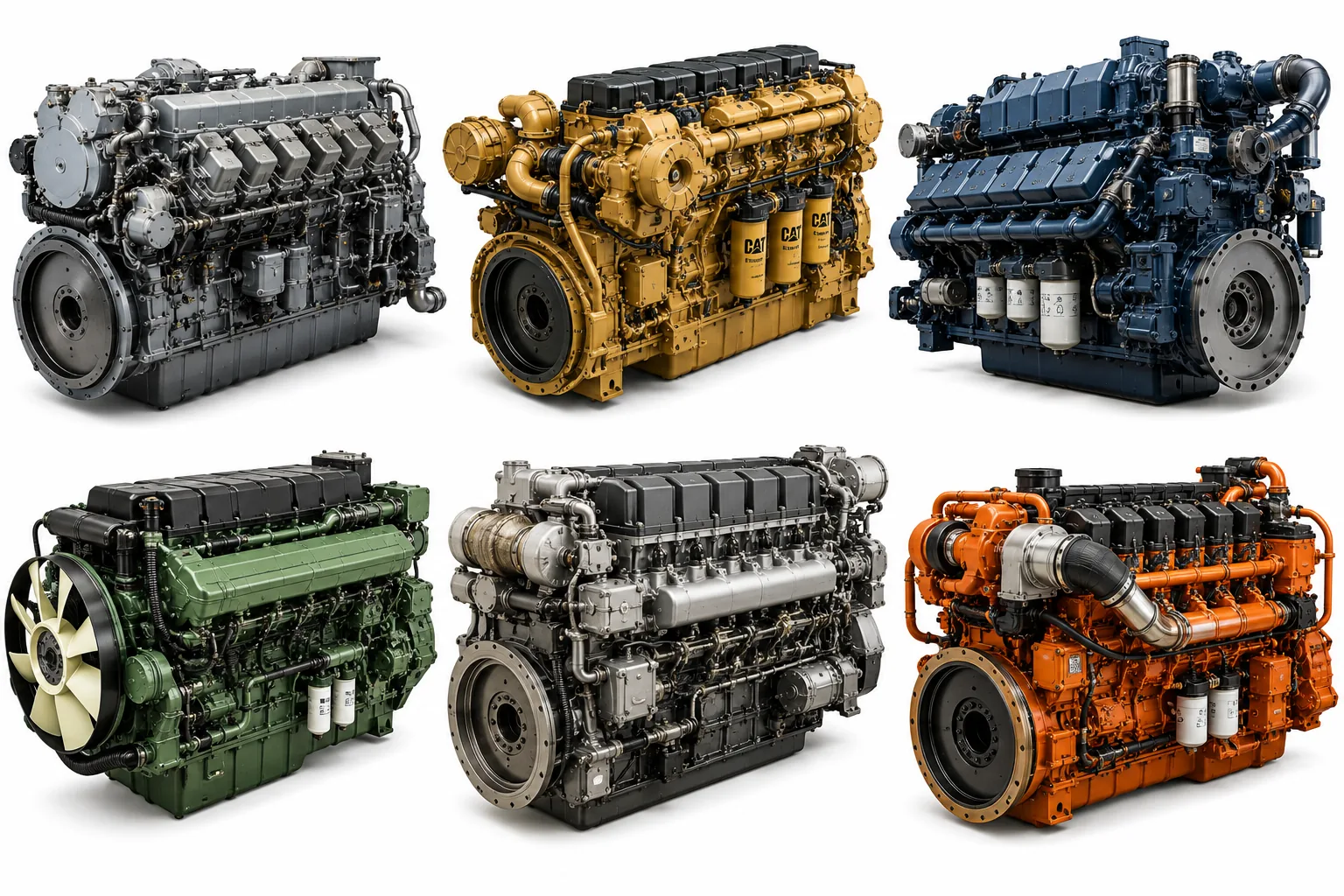 Engines
  GASKETS
 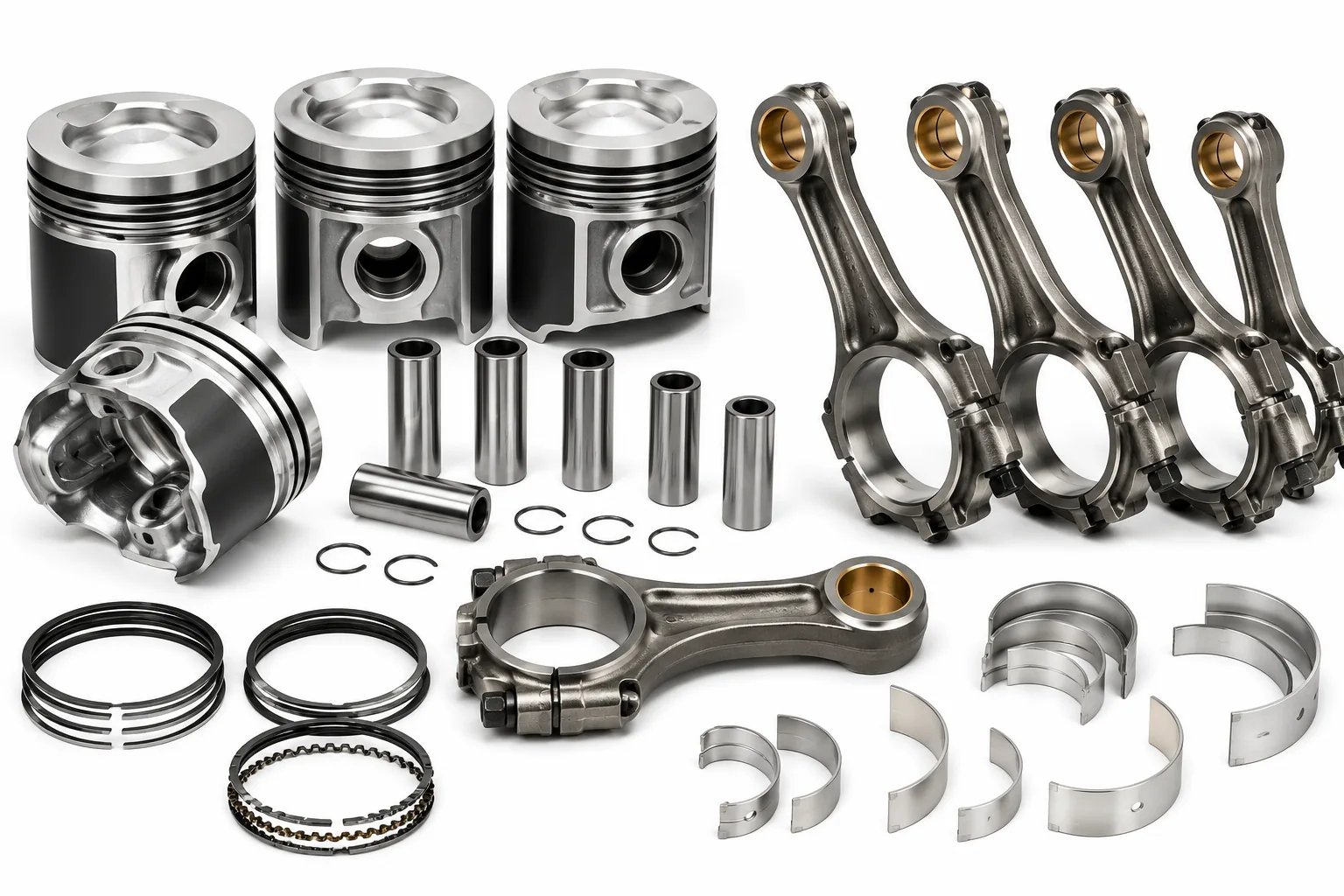 Pistons & Rod
 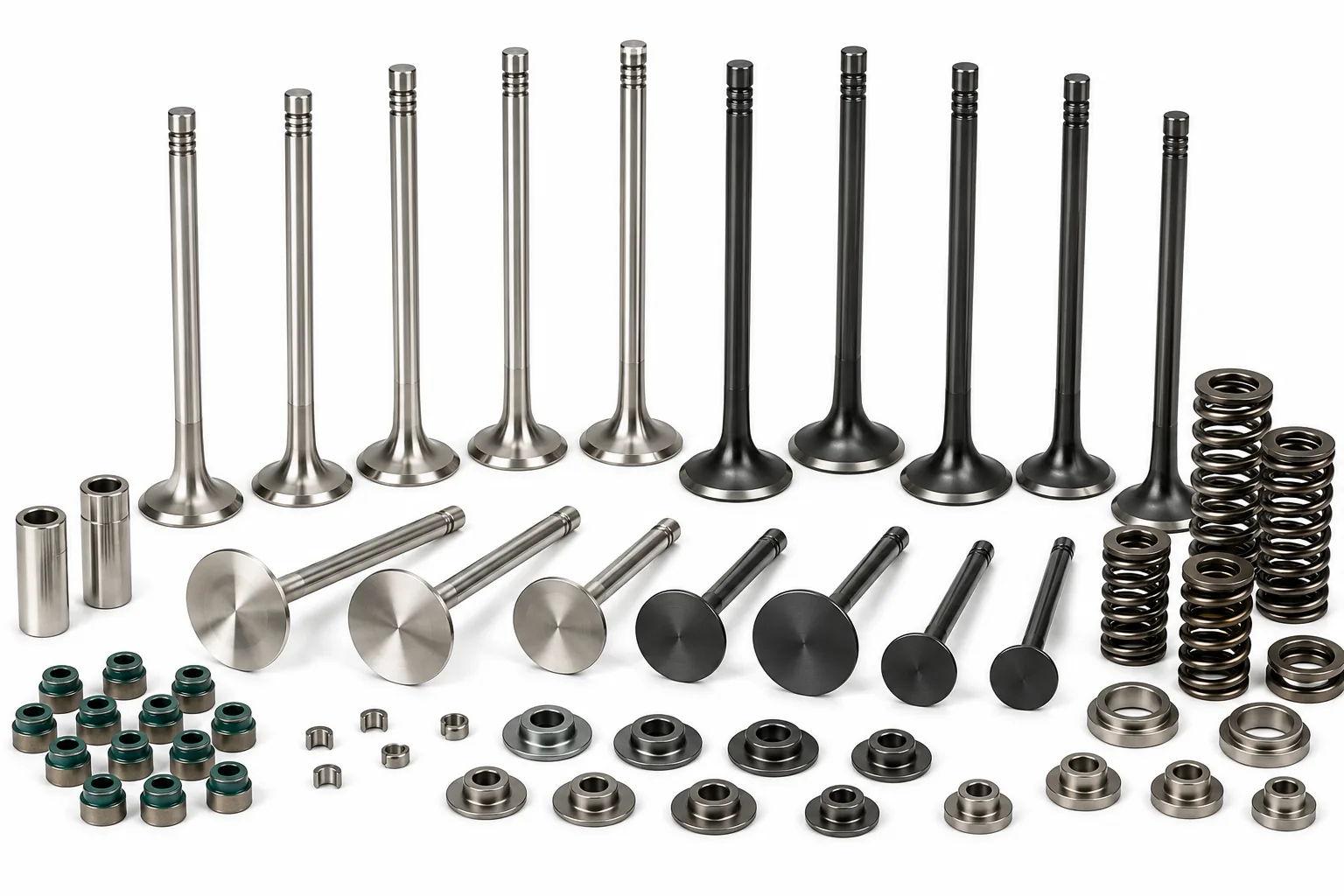 Valves
  Crankshaft