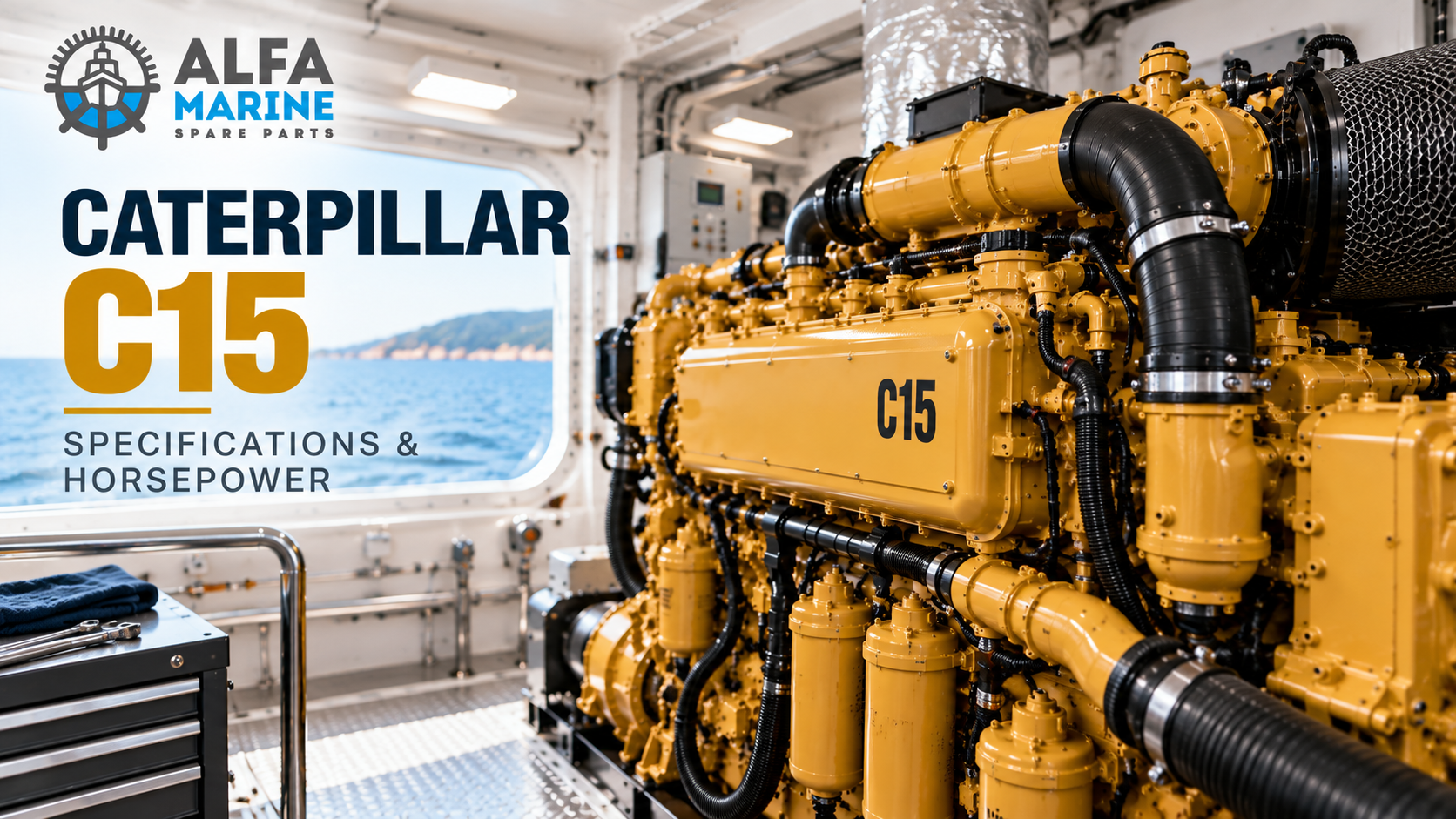

Caterpillar C15 Marine Engine Specifications, Horsepower & Technical Guide
If you search for Caterpillar C15 specifications, it doesn't take long before the numbers start getting confusing.
You might find one C15 with a certain horsepower and RPM, then another C15 with completely different figures. Keep searching and you'll also come across C15 engines used outside the marine industry.
So if you have a C15 on a boat, which specifications should you actually use?
The answer depends on the exact engine.
The Caterpillar C15 is built around a 15.2-litre inline six-cylinder diesel, but the C15 name has been used across different generations, ratings and applications. That is why there isn't one horsepower or RPM figure that applies to every C15 you come across.
If you're checking an engine already installed on a vessel, the nameplate is a much better starting point than a random specification sheet found online.
For general engine and spare-parts information, see our Caterpillar C15 Marine Engine Parts page.
What Is the Caterpillar C15?
The C15 is a large six-cylinder diesel with the cylinders arranged in a straight line.
Its basic engine architecture is:
| SpecificationCaterpillar C15 | |
| Configuration | Inline 6-cylinder |
| Cycle | Four-stroke diesel |
| Displacement | 15.2 litres |
| Bore | Approx. 137 mm |
| Stroke | Approx. 171 mm |
| Aspiration | Turbocharged and aftercooled |
| Rotation from flywheel end | Counterclockwise |
| Fuel and engine control | Depends on generation and configuration |
The 15.2-litre displacement is one of the main characteristics of the C15 family.
But knowing that an engine is 15.2 litres doesn't tell you its exact horsepower.
For that, you need to know which C15 you have.
So How Much Horsepower Does a C15 Marine Engine Have?
This is usually the first question people ask, and it's also where online searches can cause trouble.
Someone searches:
“Caterpillar C15 horsepower”
and finds a number.
Then that number gets compared with the engine on the vessel.
The problem is that Caterpillar has used the C15 platform in different applications and configurations. A C15 specification found online may not even be for a marine propulsion engine.
So if your engine plate shows a different power figure from something you've found online, don't immediately assume the engine has been derated or that one of the specifications is wrong.
Check what the other specification actually belongs to first.
A marine C15 should be compared with technical information for the same marine engine configuration and rating.
Why Can Two C15 Engines Have Different Ratings?
Because two engines with the same displacement don't necessarily have to do the same job.
Think about two boats.
One is a workboat that runs day after day and spends long periods under load.
The other may operate far fewer hours and have a completely different duty.
Both could use engines from the C15 family, but the way those engines are expected to work can be different.
That's why horsepower by itself doesn't tell the whole story.
When you're looking at a C15 rating, look at the power, rated RPM and application together.
Those three pieces of information are much more useful than horsepower alone.
Be Careful With C15 Specifications You Find Online
This is especially important with the C15 because the engine name also appears outside the marine market.
You can find C15 engines used in industrial and other heavy-duty applications.
They may still be 15.2-litre inline-six diesels and may look familiar, but their published power figures aren't automatically marine propulsion specifications.
Imagine an engineer finds a C15 data sheet showing a different horsepower from the engine on the boat.
Before wondering what is wrong with the boat's engine, check the heading on the data sheet.
Is it actually a marine engine?
Is it propulsion?
Is it the same generation?
Is it the same rating?
A lot of apparent specification differences make sense once those questions are answered.
What About the C15 ACERT?
You will also come across the C15 ACERT name.
For general conversation, somebody may simply call both engines “a C15.”
When you're ordering parts or checking technical information, that isn't precise enough.
The generation and exact engine configuration can affect the fuel system, electronics, turbocharger arrangement and other parts.
So if the engine is identified as C15 ACERT, keep that information with the engine record rather than shortening everything to C15.
The same applies when requesting spare parts.
The more accurately the engine is identified, the less chance there is of matching a part against the wrong version.
Rated RPM Is Just as Important as Horsepower
Suppose someone tells you:
“Our C15 only reaches 1800 RPM, but I found another C15 online with a higher rated speed.”
That doesn't immediately mean there is a problem.
The first thing to check is whether the two engines actually have the same rating and application.
Rated RPM is the speed associated with a particular engine rating. It isn't a universal RPM that every C15 must reach.
This is why horsepower and RPM should always be looked at together.
If the nameplate gives you both, use those figures as the starting point.
Rated RPM Doesn't Mean the Engine Always Runs There
A rated speed is not the same thing as normal cruising speed.
A vessel may spend much of its operating time below the engine's rated RPM.
Engine speed changes with the way the boat is being operated, the load, sea conditions and the propulsion setup.
So seeing a C15 running below rated speed during normal operation isn't automatically a concern.
The question becomes more interesting when the engine cannot reach the RPM it should reach under the correct operating conditions.
Then there is something worth investigating.
Engine RPM and Propeller RPM Are Different
This catches people out sometimes.
If the C15 is turning at 1800 RPM, the propeller isn't normally turning at 1800 RPM as well.
There is a marine transmission between them.
If, for example, the gearbox had a 2:1 reduction ratio, an engine running at 1800 RPM would give a simplified propeller speed of about:
900 RPM
The actual figure depends on the transmission fitted to the vessel.
So if you're trying to understand a propulsion problem, make sure everyone is talking about the same RPM.
Engine speed and propeller speed are not interchangeable.
Why Is the C15 Turbocharged?
A 15.2-litre diesel needs a large amount of air when it is working hard.
The turbocharger uses energy from the exhaust gases to push more air into the engine.
That allows the engine to burn fuel efficiently and produce the power required from the available displacement.
The C15 is also aftercooled.
When the turbocharger compresses air, that air gets hotter. The aftercooler reduces the temperature of the compressed air before it reaches the cylinders.
It's a system that works together.
That's why a C15 that feels weak under load doesn't automatically have a fuel problem.
The air side of the engine matters too.
What Happens When the C15 Doesn't Make Full Power?
Here's a situation that will sound familiar on many boats.
At the dock, the engine sounds fine.
It starts normally.
It idles normally.
You can increase the RPM without anything obvious happening.
Then the vessel goes out, the propeller loads the engine properly and suddenly the C15 doesn't perform the way it used to.
That's when you need more information.
Is it reaching the expected RPM?
Has the exhaust smoke changed?
What is happening with boost?
Has fuel consumption changed?
Is the vessel slower than before at the same engine speed?
Has the hull or propeller condition changed?
Are there any active engine warnings or fault codes?
Those details tell you far more than simply saying:
“The engine has lost power.”
The Turbocharger Isn't Always the Problem
When a turbocharged engine loses power, the turbocharger naturally gets a lot of attention.
Sometimes that's justified.
But not every low-power C15 needs a turbocharger.
An intake restriction, charge-air leak, dirty aftercooler, exhaust restriction, fuel problem or excessive propulsion load can produce symptoms that feel similar from the wheelhouse.
The better approach is to check the whole picture before deciding which part has failed.
If you want to go deeper into this side of the engine, see our Caterpillar C-Series Turbocharger Inspection & Repair guide.
The Aftercooler Has a Different Job
The turbocharger and aftercooler work together, but they aren't doing the same thing.
The turbocharger compresses the intake air.
The aftercooler removes heat from that compressed air.
This distinction matters when somebody asks for a:
“C15 cooler.”
Which cooler?
The aftercooler?
The engine heat exchanger?
An oil cooler?
On a large marine diesel there can be several pieces of equipment involved in controlling temperatures, and the word “cooler” isn't enough to identify the correct part.
You already have a dedicated Caterpillar C15 Aftercooler Part Numbers & Problems guide for that side of the engine.
How Does the C15 Cooling System Work?
A C15 produces a lot of heat when it's working hard, and the marine installation has to get rid of that heat continuously.
The exact cooling arrangement depends on the engine and vessel installation.
This is why an overheating complaint becomes much more useful when the engineer explains when it happens.
Does the temperature climb only at high load?
Does it overheat shortly after starting?
Is one engine hotter than the other on a twin-engine vessel?
Does the temperature drop again when RPM is reduced?
Those details help narrow down where to look.
If your problem is specifically temperature increasing under working conditions, our Caterpillar C15 Marine Engine Overheating Under Load guide covers that subject separately.
Heat Exchanger or Aftercooler?
These two are sometimes confused, especially when parts requests come through without photographs.
The heat exchanger is part of removing heat from the engine's cooling circuit.
The aftercooler cools the compressed intake air coming from the turbocharger.
They solve different problems.
So a message saying:
“Need cooler for C15.”
needs another question before a part is ordered.
For the engine-cooling side, see Caterpillar C15 Heat Exchanger Parts, Problems & Replacement.
What About the C15 Fuel System?
The exact fuel and control arrangement depends on which C15 generation and configuration you're working with.
That is another reason not to order fuel-system parts from the model name alone.
If you need an injector, sensor, fuel-system part or electronic part, use the engine serial information and the existing part number whenever possible.
A photograph helps, but a part that looks the same isn't necessarily the same part.
This becomes especially important when dealing with engines that have been in service for many years and may have had parts replaced or superseded along the way.
What Does the Electronic Control System Do?
On electronically controlled C15 configurations, the engine uses sensors and electronic control to manage engine operation.
That gives engineers useful diagnostic information.
But it can also create a bad habit:
A fault code appears.
Someone reads the description.
A new sensor gets ordered immediately.
A fault code is a clue, not always a diagnosis.
The sensor could be reporting a real condition. There could be a wiring problem. A connector may be damaged. Another engine condition may be causing the reading.
Use the diagnostic information to decide what to check next rather than automatically replacing the part named in the code.
The Lubrication System Is More Than an Oil Pump
The C15's lubrication system has to protect bearings and other moving surfaces while the engine is carrying heavy loads.
Oil also helps remove heat and carry contamination toward the filtration system.
If you're investigating an oil-pressure issue, don't look at one gauge reading in isolation.
Ask what the engine was doing when the reading was taken.
Was the oil hot or cold?
Was the engine idling?
Was it under load?
Has the pressure changed compared with previous readings under similar conditions?
What is the oil level?
Has oil consumption changed?
Those details make the reading useful.
Why Does Load Matter So Much on a Marine C15?
A marine engine can look perfectly healthy while running lightly and show a problem only when the propeller starts asking for serious power.
At higher load, the engine needs more fuel and air.
Turbocharger demand increases.
Exhaust flow increases.
The cooling system has more heat to remove.
The whole engine is working harder.
That is why a complaint such as:
“It runs fine at the dock but not at sea”
is actually useful information.
It tells you that the problem may only become visible when the engine is loaded.
Sometimes the Engine Isn't the Problem
Imagine a C15 that used to reach its expected RPM but now struggles.
It would be easy to start looking inside the engine.
But what if the propeller is heavily fouled?
What if the hull is dirty?
What if the propeller has been changed?
What if something in the driveline is creating extra load?
The engine doesn't know why the load increased.
It only knows that it has to work harder.
That's why marine engine troubleshooting sometimes has to extend beyond the engine itself.
A C15 Specification Sheet Doesn't Tell You Everything
Suppose a vessel changes owner and the new engineer finds three different C15 data sheets in the technical files.
One has one power figure.
Another has a different RPM.
The third turns out to be for a non-marine C15.
Instead of trying to decide which sheet “looks right,” walk down to the engine.
Check the nameplate.
Record the full engine designation.
Record the serial number.
Record the rated power and RPM.
Then match the technical information to that engine.
It's a simple habit, but it prevents a surprising number of mistakes.
Where Does the C15 Sit in the Caterpillar Marine Range?
At 15.2 litres, the C15 is a larger engine than the C7.1, C9.3 and C12 families we've discussed in our other technical guides.
But choosing between engines isn't simply a case of moving up the list until you find enough horsepower.
The vessel's required power, operating duty, installation space, transmission, cooling system and intended use all matter.
A larger engine isn't automatically the right engine.
It has to fit the job.
For a broader look at the range, see our Caterpillar Marine Engine Types & Applications guide.
You can also browse the Caterpillar C-Series Marine Engine Parts page.
How Do I Know Which C15 I Have?
Start with the engine itself.
Write down:
- Full engine model
- Serial number
- Serial-number prefix
- Rated power
- Rated RPM
- Arrangement number where available
- Vessel application
If the question involves propulsion performance, also note the:
- Marine transmission model
- Reduction ratio
If you're identifying a spare part, include the number from the old part whenever it's readable.
And take a clear photograph of the engine nameplate.
That one photograph can save several emails later.
Why “It's a C15” Isn't Enough for Parts
A customer might say:
“I need a water pump for a Caterpillar C15.”
That's a useful start.
But it isn't enough to safely identify every pump that may have been used across the C15 family.
The same applies to injectors, turbochargers, sensors, gaskets and many other engine parts.
The model tells us where to start looking.
The serial number and part number help tell us which part actually belongs there.
Caterpillar C15 Technical Summary
The C15 is built around a 15.2-litre inline-six, four-stroke diesel architecture with an approximately 137 mm bore and 171 mm stroke.
It is turbocharged and aftercooled, and different C15 generations and applications can have different ratings and engine-control arrangements.
That's the most important thing to remember when researching this engine.
There isn't one C15 specification that fits every C15 ever installed.
If the horsepower or RPM you find online doesn't match the engine on your vessel, don't immediately assume something is wrong.
Check the application.
Check the rating.
And most importantly, check the engine identification.
Once you know exactly which C15 you're dealing with, the rest of the technical information starts making much more sense.
Frequently Asked Questions
I keep finding different horsepower figures for the C15. Which one should I trust?
Start with the engine plate on your vessel. The C15 has been used in different applications and configurations, so a horsepower figure from another C15 may have nothing to do with yours. Check that the information you're reading is for the same marine application, generation and rating as your engine.
My C15 isn't reaching the RPM I found online. Does that mean it's losing power?
Maybe, but don't start troubleshooting until you know the correct rated RPM for your engine. If the nameplate confirms it should reach a certain speed and it genuinely cannot do so under the right conditions, then you can start looking at fuel, air, turbocharger performance, exhaust, engine condition, propeller load and the driveline.
What should I send if I need C15 technical information or spare parts?
Send the full engine model, serial number, rated power and RPM, plus the existing part number if you have it. A clear photo of the engine nameplate is very useful. For a propulsion problem, include the gearbox model and reduction ratio too.
Related Caterpillar C15 Information
For C15 engine and spare-parts information, see Caterpillar C15 Marine Engine Parts.
For the wider family, visit Caterpillar C-Series Marine Engine Parts.
For overheating that appears under load, read Caterpillar C15 Marine Engine Overheating Under Load.
For engine cooling, see Caterpillar C15 Heat Exchanger Parts, Problems & Replacement.
For the charge-air side, see Caterpillar C15 Aftercooler Part Numbers & Problems.
For the wider Caterpillar range, read Caterpillar Marine Engine Types & Applications.
Technical Information Notice
Caterpillar C15 specifications can vary by engine generation, rating, application and installation. Always check technical data and replacement parts against the identification information for the individual engine.
Alfa Marine Spare Parts is an independent supplier and is not an authorized Caterpillar dealer or official representative. Caterpillar names, engine models and part numbers are used only for identification and technical reference.
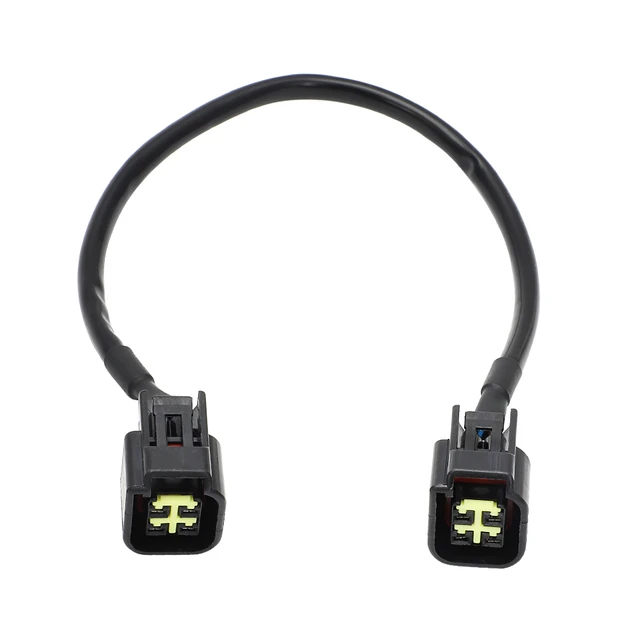 HARNESSES AND WIRE SENSORS
 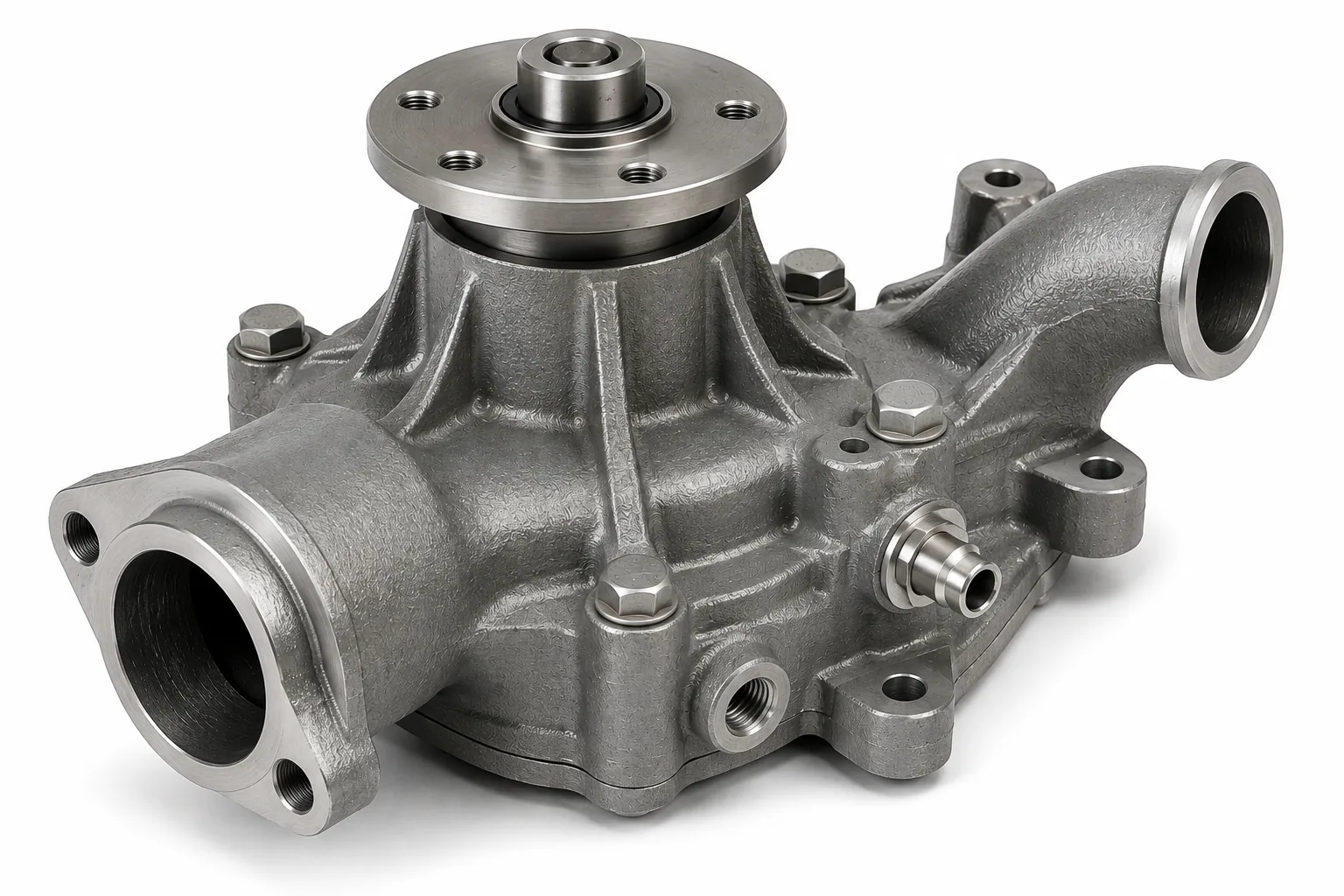 WATER PUMP
 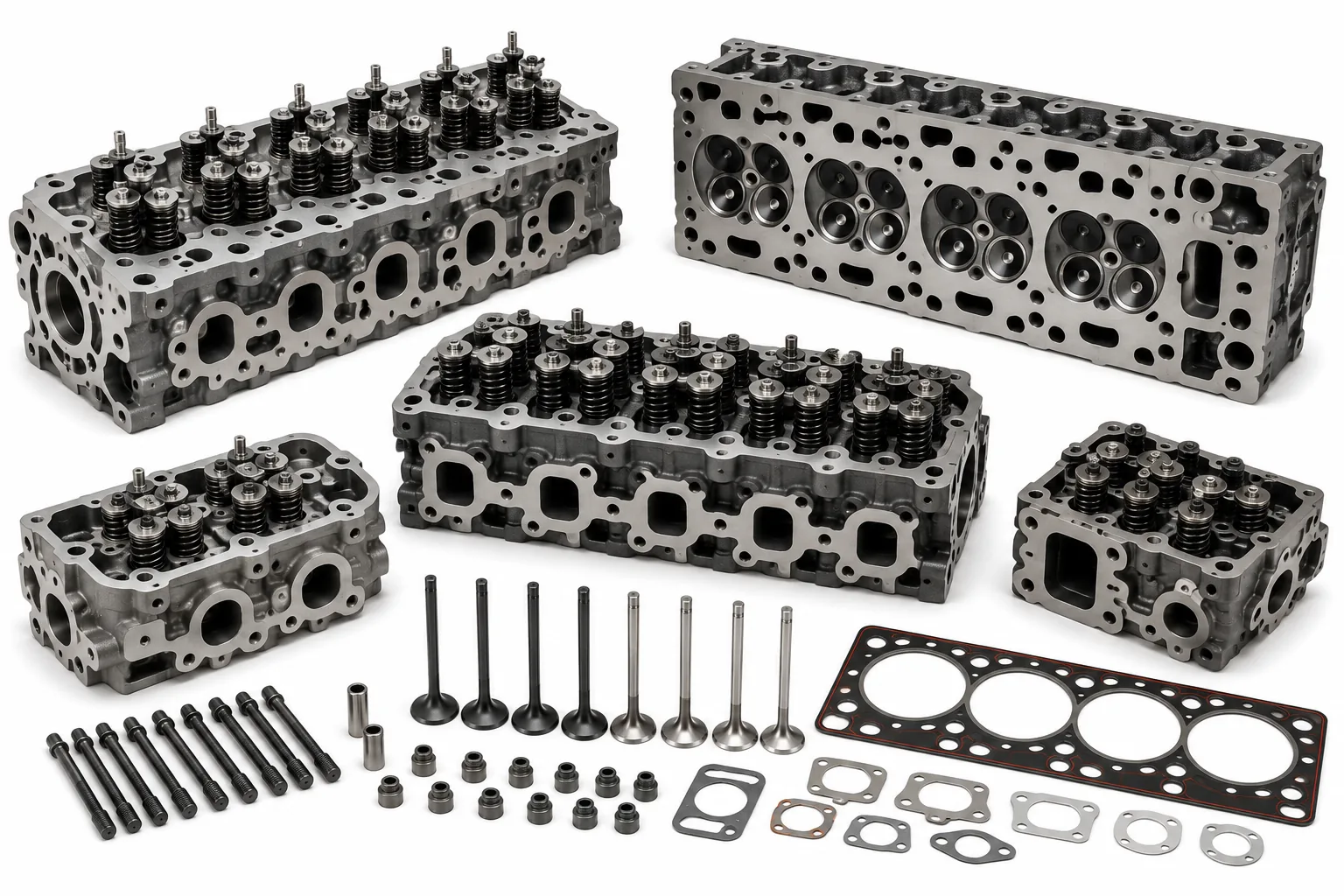 CYLINDER HEAD
 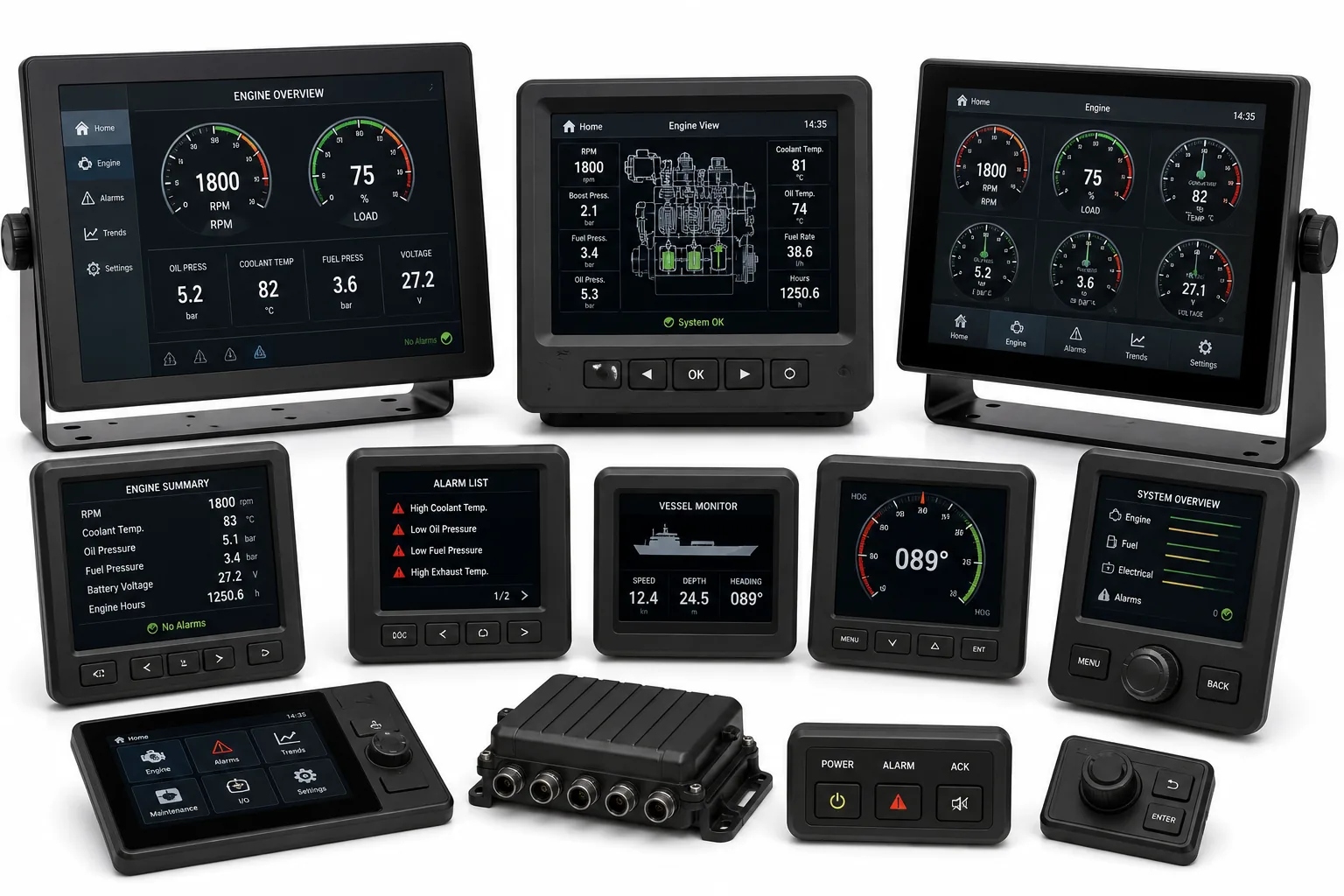 DISPLAY MONITORS
 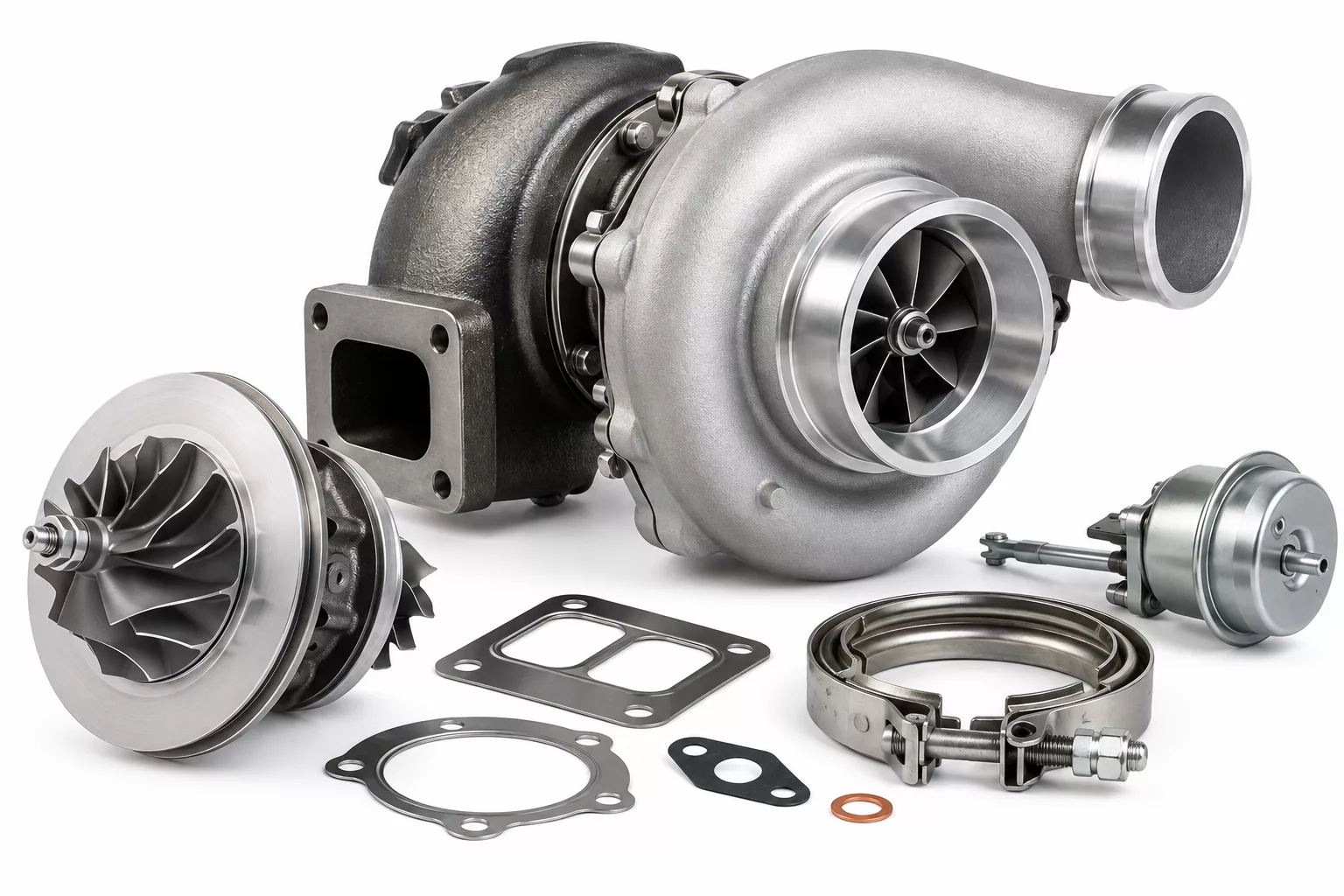 Turbocharger & Cartridge
 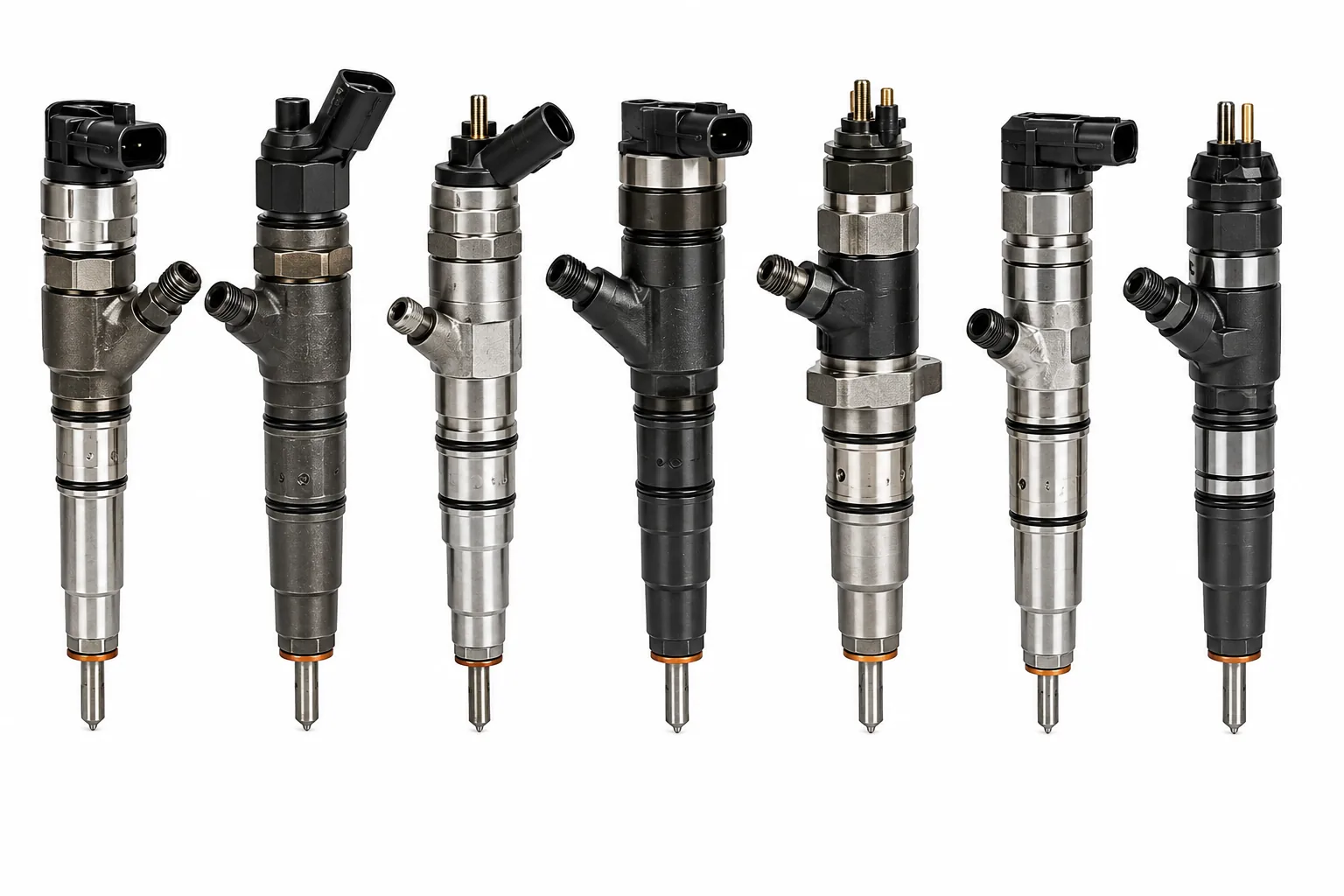 INJECTORS