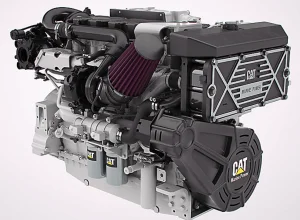
Vessel operators conduct regular basic maintenance and lubrication to keep the equipment in various parts ready for use. Even these DIY jobs are stringent chores to be performed with due consideration for the safety of personnel and marine machinery. Despite the simple framework of the Cat C18 marine engine, the regular maintenance is as crucial as for engines of other brands.
Here, we present an extensive set of safety measures for fleet operators regularly dealing with Caterpillar C18 marine engines. We believe you consistently wear the recommended protective gear before performing basic DIY engine maintenance. This guide offers a concise overview of the required items at the end of the article.
Is the Cat C18 Marine Engine the Right Choice for Your Vessel
Are you looking for a dynamic marine engine for your pleasure craft?
The Cat C18 marine propulsion engine is the ideal option for recreational vessels. Achieve more power with 2300 rpm speed and 1106in³ displacement. The four-stroke diesel engine with six in-line cylinders initiates counterclockwise rotation with a powerful 7.2-inch stroke. The feature-packed compact engine offers much more than fuel efficiency, performance, and power density. These modules have gained enormous popularity among fleet owners due to their cutting-edge emission control systems. The model complies with stringent regulations as stated in U.S. EPA Tier III, EU Stage IIIA, and IMO II maritime laws.
C18 integrates with any existing Cat machinery and electrical system in the engine room and other parts of the watercraft. It means the new engine will continue to deliver real-time results via the vessel control systems to an existing Cat display unit. It utilizes a single turbocharger to process exhaust gases and ensure compliance with stringent marine emission laws.
These engines boast hours of continued performance without any glitches. The separate circuit aftercooling system (SCAC) does not use seawater for cooling the engine parts. Such specialized units, paired with optional heat exchangers or keel cooling technology, ensure complete engine safety. No overheating issues or engine downtime during extended periods of operation.
Cat C18 Engine Maintenance Guide
The first step in conducting Caterpillar engine maintenance is to stop the operation and allow the machine parts to cool down. Touch the engine only when it is shut down and cold. Below, we delve into various engine components and substances, care methods, and strategies for addressing specific elements.
Coolant Management Safety Instructions
The coolant fluids become extremely hot during the engine’s operation. These pressurized fluids are present throughout the radiator and coolant passages leading to the heaters from the engine. Please do not attempt to touch, drain, or inspect the coolant when it is hot. It can lead to injuries, burns, and even death.
- Stop the engine operation and allow sufficient time for cooling.
- Drain out the fluids from the cooling system.
- Check the coolant level in the crankcase.
- Do not touch the filler cap if it is hot. The coolant inside the cap is under very high pressure. Open the cap slowly to release the pressure.
- Avoid contact or ingestion with alkali compounds in the coolant system conditioner. It can harm the eye and the skin.
Caterpillar Engine Batteries
The batteries in Cat marine engines contain electrolytes – a highly corrosive and flammable acid. Check the electrolyte level in the battery during the engine maintenance every time. The battery components can catch fire if they are hot. Cool down the engine and the batteries completely before working with them.
- Keep flammable objects away from the batteries. Avoid fire or cigarettes when working with the fuel tank, hoses, pipes, tubes, and batteries.
- Do not place metallic objects near the battery terminal.
- Use a voltmeter or hydrometer to check the battery charge.
- Clean the batteries regularly and avoid charging the frozen ones.
- Always use recommended jumper cables and accessories for safe engine operation.
How to Remove the Cover Plates in Caterpillar Engines
Cover plates can be tricky and dangerous to handle in any marine engine; Cat modules are no exception. Follow the steps below to remove the cover plates without any hassles or accidental issues.
- First, loosen the cover plate without touching the nuts and bolts at the opposite ends.
- Release the spring pressure by prying the cover plate.
- Remove the nuts and bolts slowly to ensure nothing comes forcefully.
- Do not remove the cover of the crankcase within fifteen minutes of shutting down the engine. The flammable lube oil may catch fire.
The work is not recommended for novice boat operators. Conduct these operations under the supervision of an experienced technician.
Cat C18 Marine Engine Parts Comprising Pressurized Fluids
The Caterpillar engines feature numerous closures for fuel, lubrication oil, and other fluids to ensure circulation at the required pressure. Removing these plugs, caps, or taps suddenly can cause hazardous accidents. Apart from damaging the equipment, the chemicals can cause life-threatening injuries. Allow the engine to cool down completely before opening any lid or cap. The engine parts serving as closures for pressurized fluids include breathers, drain plugs, pressure taps, filler caps, cover plates, and grease fixtures.
Ether cylinders are flammable and require storage in a well-ventilated place on the ship. There should not be any fire or flammable objects nearby when spraying ether. Check loose fittings and leaks in the ether spraying hoses and tubes.
Waste Disposal from Cat Engines
The liquid and solid wastes collected from the engine parts during maintenance contain harmful substances. Environmental contact with the waste matter is strictly prohibited. Follow the proper methods for disposing of toxic waste to prevent the release of substances into the air, water, drainage systems, or land.
Protective Gear Information
All marine engineers, technical assistants, and boat operators working with the engine parts must wear the safety gear comprising these items:
- helmet and glasses
- hearing devices – earplugs or earmuffs
- body-fitting trousers and jackets
- Face shield
- Shoes
Avoid wearing jewelry or loose-fitting clothes that can get stuck in the engine parts or other equipment.
Do you want to purchase Cat engines and spare parts?
The search for a reliable seller ends here. Alfa Marine Spare Parts sells over 1 million+ OEM spare parts, overhaul kits, electrical systems, and marine engines of diverse specifications. We sell items from top global brands including Caterpillar, Cummins, Doosan, Deutz, Volvo Penta, Mitsubishi, Scania, Perkins, Yanmar, and many others.