Quote

Menu

MTU Series 4000 Marine Engine Spare Parts | Alfa Marine Spare Parts

MTU Series 4000 Marine Engine Spare Parts | Alfa Marine Spare Parts

MTU Series 4000 marine engine specifications, maintenance, troubleshooting and spare parts. Get genuine spares at Alfa Marine Spare Parts.

MTU Series 4000 Marine Engine Spare Parts | Alfa Marine Spare Parts


MTU Series 4000 Marine Engine Spare Parts

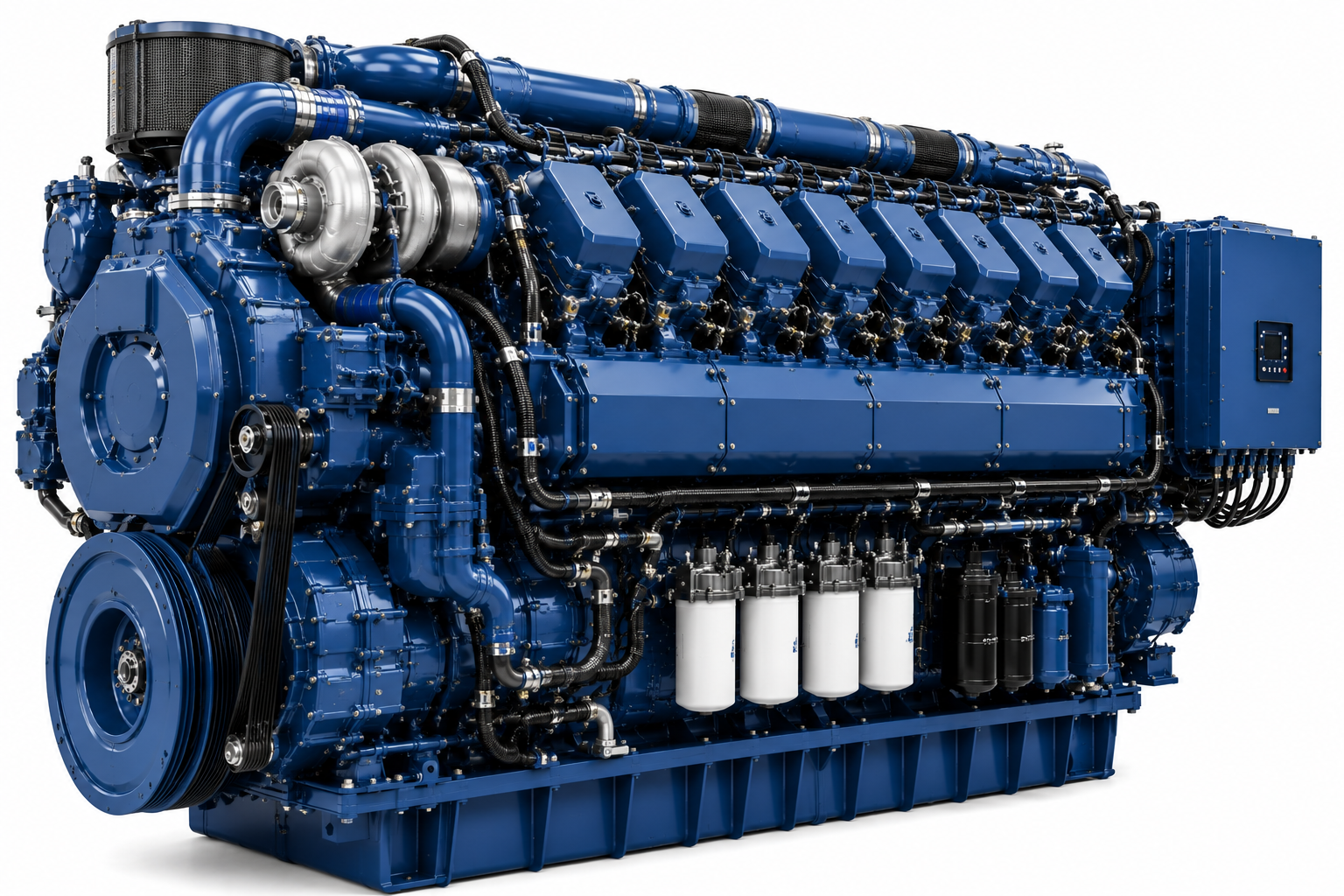
The MTU Series 4000 is one of the world's most respected high-speed marine diesel engine families. Developed by the mtu brand of Rolls-Royce Power Systems, these engines are designed for commercial vessels, offshore support vessels, patrol craft, naval applications, ferries, workboats, and luxury yachts where reliability, fuel efficiency, and high continuous power are essential.

The Series 4000 is available in V8, V12, V16, and V20 cylinder configurations and has been continuously developed to meet changing operational and emissions requirements. Depending on the model, engines deliver approximately 746 kW to more than 4,300 kW, making the Series 4000 suitable for both commercial marine propulsion and high-performance yacht applications.

With advanced electronic engine management, efficient turbocharging, and robust construction, the MTU Series 4000 has become one of the most widely used heavy-duty marine engine platforms worldwide.

About the MTU Series 4000 Marine Engine

The MTU Series 4000 was engineered for operators who require dependable performance under demanding operating conditions. Its modular design simplifies maintenance while providing excellent durability and long overhaul intervals.

The engine family combines:

  1. High power density
  2. Excellent fuel efficiency
  3. Low operating costs
  4. Advanced electronic engine management
  5. Reliable cooling performance
  6. High torque across the operating range
  7. Long engine life
  8. Worldwide technical support
  9. Proven performance in commercial marine service

Modern Series 4000 engines incorporate electronically controlled fuel injection, sophisticated monitoring systems, and advanced combustion technology that improve efficiency while supporting compliance with applicable marine emissions standards.

MTU Series 4000 Marine Engine Models

The MTU Series 4000 family includes a wide range of marine propulsion engines.

V8 Models

  1. MTU 8V 4000 M53

V12 Models

  1. MTU 12V 4000 M53
  2. MTU 12V 4000 M73
  3. MTU 12V 4000 M93
  4. MTU 12V 4000 M05

V16 Models

  1. MTU 16V 4000 M53
  2. MTU 16V 4000 M63
  3. MTU 16V 4000 M73
  4. MTU 16V 4000 M90
  5. MTU 16V 4000 M93
  6. MTU 16V 4000 M05

V20 Models

  1. MTU 20V 4000 M73L
  2. MTU 20V 4000 M93L
  3. MTU 20V 4000 M05

Each engine is available in different duty ratings depending on vessel type, operating profile, and regional emissions requirements.

Technical Specifications

Although specifications vary between models, the MTU Series 4000 shares a common engineering platform.

SpecificationMTU Series 4000Engine TypeFour-Stroke Marine DieselCylinder Arrangement90° VCylinder ConfigurationsV8, V12, V16, V20Bore170 mmStroke210 mmFuel InjectionElectronic Unit Injection or Common Rail (model dependent)AspirationTwin Turbocharged with Charge-Air CoolingCooling SystemFreshwater Cooling with Heat ExchangerRated SpeedUp to 2,100 rpmPower OutputApprox. 746–4,300+ kW (model dependent)Electronic ManagementMTU Diesel Engine Control (MDEC generation dependent)EmissionsIMO II, IMO III and EPA compliant (model dependent)

The long-stroke design provides excellent low-speed torque, smooth operation, and efficient fuel consumption, making the Series 4000 suitable for demanding marine applications.

Marine Applications

MTU Series 4000 engines are installed in a wide range of professional marine vessels, including:

  1. Superyachts
  2. Luxury motor yachts
  3. Fast ferries
  4. Offshore support vessels
  5. Crew transfer vessels
  6. Pilot boats
  7. Patrol vessels
  8. Naval vessels
  9. Coast Guard vessels
  10. Fireboats
  11. Rescue vessels
  12. Commercial fishing vessels
  13. Research vessels
  14. Workboats
  15. High-speed passenger vessels

The engine family's flexibility allows operators to select the appropriate configuration for continuous-duty commercial service or high-performance recreational use.

Why Choose the MTU Series 4000?

The MTU Series 4000 has earned its reputation through decades of reliable service across the global marine industry.

Key advantages include:

  1. High continuous horsepower
  2. Excellent power-to-weight ratio
  3. Outstanding fuel economy
  4. Long overhaul intervals
  5. Advanced electronic diagnostics
  6. Low vibration and noise levels
  7. Worldwide service support
  8. High reliability in demanding marine environments
  9. Proven long-term durability
  10. Strong resale value

These characteristics make the Series 4000 a preferred propulsion choice for shipowners, fleet operators, and yacht builders around the world.

MTU Series 4000 Marine Engine Spare Parts

Routine maintenance with quality replacement components is essential for maintaining engine reliability and efficiency.

Typical MTU Series 4000 spare parts include:

  1. Fuel injectors
  2. High-pressure fuel pumps
  3. Seawater pumps
  4. Freshwater pumps
  5. Turbochargers
  6. Charge air coolers
  7. Heat exchangers
  8. Oil coolers
  9. Cylinder heads
  10. Cylinder liners
  11. Pistons
  12. Piston rings
  13. Camshafts
  14. Crankshafts
  15. Main bearings
  16. Connecting rod bearings
  17. Sensors
  18. Wiring harnesses
  19. Gasket kits
  20. Complete overhaul kits

Cooling System Components

A properly maintained cooling system is essential for preventing overheating and ensuring reliable engine performance.

Common cooling components include:

  1. Seawater pumps
  2. Freshwater pumps
  3. Heat exchangers
  4. Charge air coolers
  5. Thermostats
  6. Expansion tanks
  7. Coolant pipes
  8. Temperature sensors
  9. Pressure caps
  10. Cooling hoses

Regular inspection and cleaning of the cooling system helps prevent marine growth, corrosion, and scale build-up that can reduce cooling efficiency.

Fuel System Components

The MTU Series 4000 uses advanced fuel systems to provide precise fuel delivery and efficient combustion.

Typical fuel system parts include:

  1. Fuel injectors
  2. High-pressure fuel pumps
  3. Fuel rails
  4. Fuel pressure regulators
  5. Fuel manifolds
  6. Fuel filters
  7. Priming pumps
  8. Fuel lines

Maintaining clean fuel and replacing filters at the recommended service intervals helps maximise injector life and maintain engine performance.

Turbochargers and Air Intake Components

Turbocharging is essential to achieving the high power output of the MTU Series 4000.

Frequently serviced components include:

  1. Turbochargers
  2. Turbocharger cartridges
  3. Compressor housings
  4. Turbine housings
  5. Charge air coolers
  6. Intake manifolds
  7. Air filters
  8. Intake ducting

Routine inspections of boost pressure, bearing condition, and charge-air cooling efficiency help maintain optimum engine performance.

Lubrication System Components

The lubrication system protects critical engine components operating under high loads.

Typical components include:

  1. Oil pumps
  2. Oil coolers
  3. Oil filters
  4. Oil pressure sensors
  5. Oil temperature sensors
  6. Oil pans
  7. Oil lines
  8. Breather assemblies

Regular oil analysis is recommended to detect contamination and abnormal engine wear before serious damage occurs.

Internal Engine Components

Major overhaul and scheduled maintenance may involve inspection or replacement of:

  1. Cylinder heads
  2. Cylinder liners
  3. Pistons
  4. Piston rings
  5. Connecting rods
  6. Crankshafts
  7. Camshafts
  8. Intake valves
  9. Exhaust valves
  10. Valve guides
  11. Main bearings
  12. Connecting rod bearings

The modular design of the MTU Series 4000 simplifies overhaul procedures and helps reduce maintenance downtime.

Electrical and Engine Management Components

Modern MTU Series 4000 engines feature advanced electronic control systems for efficient engine monitoring and diagnostics.

Typical components include:

  1. MTU Diesel Engine Control (MDEC)
  2. Engine Control Units (ECU)
  3. Wiring harnesses
  4. Pressure sensors
  5. Temperature sensors
  6. Speed sensors
  7. Alternators
  8. Starter motors
  9. Engine monitoring displays
  10. Alarm modules

These systems provide continuous engine monitoring and assist technicians in diagnosing faults quickly and accurately.

Gaskets and Seal Kits

Routine maintenance and major overhauls typically require replacement of:

  1. Cylinder head gaskets
  2. Valve cover gaskets
  3. Intake manifold gaskets
  4. Exhaust manifold gaskets
  5. Turbocharger gasket kits
  6. Complete overhaul gasket sets
  7. O-rings
  8. Front crankshaft seals
  9. Rear crankshaft seals
  10. Water pump seals

Replacing seals and gaskets during scheduled maintenance helps prevent coolant, fuel, and oil leaks while maintaining long-term engine reliability.MTU Series 4000 Marine Engine Spare Parts – Common MTU Series 4000 Marine Engine Problems

The MTU Series 4000 is recognised worldwide for its reliability and long service life. These engines are designed to operate under demanding marine conditions, from offshore support vessels and ferries to naval craft and superyachts. However, like any high-performance marine diesel engine, they require regular maintenance and condition monitoring to achieve maximum reliability.

Many engine problems develop gradually and can often be identified before they lead to major failures. Routine inspections, oil analysis, coolant testing, vibration monitoring, electronic diagnostics, and scheduled maintenance all help reduce unexpected downtime and extend engine life.

Why Is My MTU Series 4000 Running Hot?

Engine overheating is one of the most common issues reported by marine engineers. A rise in operating temperature should never be ignored, as prolonged overheating can damage cylinder heads, pistons, turbochargers, and head gaskets.

Common causes include:

  1. Blocked seawater intake
  2. Dirty sea strainer
  3. Marine growth restricting seawater flow
  4. Fouled heat exchanger
  5. Dirty charge air cooler
  6. Worn seawater pump impeller
  7. Damaged freshwater pump
  8. Faulty thermostat
  9. Low coolant level
  10. Air trapped in the cooling system
  11. Collapsed coolant hose
  12. Corroded cooling pipes
  13. Low coolant pressure
  14. Faulty temperature sensor

Heat exchangers and charge air coolers gradually accumulate salt deposits, corrosion, and biological fouling. Cleaning these components at recommended intervals helps maintain efficient cooling and stable engine temperatures.

Common Seawater Pump Problems

The seawater pump is critical for removing heat from the engine's closed cooling circuit.

Symptoms of seawater pump problems include:

  1. High coolant temperature
  2. Low seawater pressure
  3. Reduced water discharge
  4. Coolant overheating alarms
  5. Water leakage from the pump
  6. Bearing noise
  7. Mechanical seal leakage
  8. Impeller damage

Regular inspection of the pump shaft, bearings, seals, and impeller helps prevent unexpected failures.

Heat Exchanger Problems

The heat exchanger transfers engine heat to seawater. Over time, marine growth and scale can reduce cooling efficiency.

Common symptoms include:

  1. Rising engine temperature
  2. Reduced cooling capacity
  3. Increased exhaust temperatures
  4. Coolant pressure fluctuations
  5. Salt deposits inside tubes
  6. Internal corrosion
  7. Tube leakage

Periodic cleaning and pressure testing help restore cooling efficiency.

Charge Air Cooler Problems

Charge air coolers reduce the temperature of compressed intake air, improving combustion efficiency and engine performance.

Typical problems include:

  1. Salt contamination
  2. Internal fouling
  3. Air leaks
  4. Reduced turbocharger boost
  5. Higher exhaust gas temperatures
  6. Increased fuel consumption
  7. Loss of engine power

Routine cleaning helps maintain proper airflow and combustion.

Why Has My MTU Series 4000 Lost Power?

A noticeable loss of power is often related to restrictions in the fuel or air system or faults detected by the electronic engine control system.

Possible causes include:

  1. Dirty fuel filters
  2. Fuel contamination
  3. Worn fuel injectors
  4. High-pressure fuel pump wear
  5. Turbocharger problems
  6. Dirty charge air cooler
  7. Restricted air filters
  8. Exhaust restrictions
  9. Electronic engine derating
  10. Low fuel pressure
  11. Faulty sensors

Always read engine fault codes before replacing components, as the engine management system may identify the root cause.

Fuel Injector Problems

Modern MTU Series 4000 engines rely on precision fuel injectors to deliver accurate fuel quantities at high pressure.

Common injector symptoms include:

  1. Hard starting
  2. Rough idle
  3. Reduced engine power
  4. Increased fuel consumption
  5. Black smoke
  6. White smoke
  7. Uneven cylinder temperatures
  8. Engine knocking
  9. Fault codes relating to fuel delivery

Injector performance can be affected by contaminated fuel, poor filtration, excessive operating hours, or wear of internal components.

Using clean fuel, replacing filters on schedule, and testing injectors during major maintenance helps maintain efficient combustion.

High-Pressure Fuel Pump Problems

The high-pressure fuel pump supplies fuel to the injection system at the correct pressure.

Possible symptoms include:

  1. Hard starting
  2. Low fuel rail pressure
  3. Engine shutdown
  4. Reduced power
  5. Fuel pressure alarms
  6. Increased smoke
  7. Fault codes
  8. Poor acceleration

Regular fuel filter replacement and clean fuel storage help extend pump life.

Turbocharger Problems

Turbochargers are essential for delivering the Series 4000's high power output.

Common turbocharger problems include:

  1. Bearing wear
  2. Oil leakage
  3. Compressor wheel damage
  4. Turbine blade damage
  5. Low boost pressure
  6. High exhaust temperatures
  7. Reduced engine power
  8. Excessive turbocharger noise
  9. Slow acceleration

Routine inspection of turbocharger shaft play, lubrication, and boost pressure helps detect developing problems before major damage occurs.

Why Is My MTU Series 4000 Producing Black Smoke?

Black smoke usually indicates incomplete combustion caused by excess fuel or insufficient air.

Possible causes include:

  1. Dirty air filters
  2. Turbocharger wear
  3. Restricted charge air cooler
  4. Worn injectors
  5. Incorrect fuel delivery
  6. Excessive engine loading
  7. Faulty fuel pressure
  8. Restricted intake system

Ignoring black smoke can increase carbon deposits and fuel consumption.

Why Is My MTU Series 4000 Producing White Smoke?

Persistent white smoke after warm-up may indicate:

  1. Poor fuel atomisation
  2. Injector malfunction
  3. Low cylinder compression
  4. Coolant entering the combustion chamber
  5. Head gasket failure
  6. Incorrect injection timing

Prompt diagnosis helps prevent more extensive engine damage.

Why Is My MTU Series 4000 Producing Blue Smoke?

Blue smoke is generally associated with engine oil entering the combustion chamber.

Possible causes include:

  1. Turbocharger oil seal failure
  2. Worn piston rings
  3. Cylinder liner wear
  4. Valve guide wear
  5. Excessive crankcase pressure

Routine oil analysis and compression testing can help identify the source of oil consumption.

Excessive Oil Consumption

Oil consumption that exceeds the manufacturer's recommendations should always be investigated.

Potential causes include:

  1. Turbocharger seal wear
  2. Worn piston rings
  3. Cylinder liner wear
  4. Valve stem seal wear
  5. External oil leaks
  6. Incorrect lubricant specification
  7. Extended oil change intervals

Monitoring oil consumption trends can help identify wear before serious failures occur.

Electronic Diagnostics (MDEC)

Modern MTU Series 4000 engines are equipped with the MTU Diesel Engine Control (MDEC) system, which continuously monitors engine performance.

Typical monitored parameters include:

  1. Engine speed
  2. Oil pressure
  3. Oil temperature
  4. Coolant temperature
  5. Fuel pressure
  6. Intake manifold pressure
  7. Turbocharger boost pressure
  8. Exhaust gas temperature
  9. Battery voltage
  10. Sensor status
  11. Active fault codes
  12. Historical fault data

Using diagnostic software to review active and stored fault codes can significantly reduce troubleshooting time and improve maintenance planning.

Preventive Maintenance Schedule

Preventive maintenance is the most effective way to maximise engine reliability, fuel efficiency, and service life.

Daily Inspection

Before each voyage, inspect:

  1. Engine oil level
  2. Coolant level
  3. Fuel system
  4. Oil leaks
  5. Coolant leaks
  6. Seawater flow
  7. Engine temperature
  8. Oil pressure
  9. Exhaust colour
  10. Warning messages
  11. Engine room cleanliness

Every 250 Operating Hours

Recommended maintenance includes:

  1. Check engine oil condition
  2. Replace oil filters if required
  3. Inspect fuel filters
  4. Drain fuel water separators
  5. Inspect turbochargers
  6. Check coolant concentration
  7. Inspect cooling hoses
  8. Review MDEC fault history
  9. Inspect seawater pump

Every 500 Operating Hours

Recommended maintenance includes:

  1. Replace primary and secondary fuel filters
  2. Inspect fuel injectors
  3. Check valve clearances (where applicable)
  4. Inspect freshwater pump
  5. Inspect seawater pump
  6. Clean sea strainers
  7. Inspect charge air cooler
  8. Inspect alternator
  9. Inspect starter motor
  10. Inspect engine mounts

Every 1,000 Operating Hours

Recommended maintenance includes:

  1. Clean heat exchangers
  2. Clean charge air coolers
  3. Pressure test cooling system
  4. Inspect turbochargers
  5. Inspect oil coolers
  6. Replace coolant if required
  7. Inspect exhaust system
  8. Perform complete electronic diagnostics
  9. Check engine performance data
  10. Inspect engine wiring harnesses

Every 2,000 Operating Hours

Depending on engine model and operating profile, recommended work may include:

  1. Injector testing or replacement
  2. High-pressure fuel pump inspection
  3. Turbocharger overhaul inspection
  4. Compression testing
  5. Cooling system flushing
  6. Cylinder head inspection
  7. Bearing inspection
  8. Oil analysis review
  9. Coolant analysis
  10. Complete engine performance evaluation

Maintenance intervals may vary depending on engine model, duty cycle, fuel quality, and environmental conditions. Always follow the maintenance schedule specified for your exact MTU Series 4000 engine model and serial number.MTU Series 4000 Marine Engine Spare Parts – Part 2BMTU Series 4000 Major Overhaul

The MTU Series 4000 is designed for long service intervals and can provide many thousands of operating hours when maintained in accordance with the manufacturer's recommendations. Eventually, however, every marine diesel engine reaches a point where a major overhaul is the most economical solution to restore performance and reliability.

A complete overhaul should begin with a detailed inspection of engine history, fault codes, oil analysis reports, coolant analysis, compression readings, and performance data. This information helps determine which components can continue in service and which require repair or replacement.

During a major overhaul, marine engineers commonly inspect or replace:

  1. Cylinder heads
  2. Cylinder liners
  3. Pistons
  4. Piston rings
  5. Connecting rods
  6. Main bearings
  7. Connecting rod bearings
  8. Camshafts
  9. Camshaft bearings
  10. Crankshaft seals
  11. Intake valves
  12. Exhaust valves
  13. Valve guides
  14. Fuel injectors
  15. High-pressure fuel pumps
  16. Turbochargers
  17. Seawater pumps
  18. Freshwater pumps
  19. Heat exchangers
  20. Charge air coolers
  21. Oil coolers
  22. Thermostats
  23. Complete gasket kits
  24. O-rings and seals
  25. Sensors and wiring harnesses where required

A professionally planned overhaul helps restore engine performance, improve fuel efficiency, reduce emissions, and extend the operational life of the engine.

Frequently Asked QuestionsWhat is the MTU Series 4000?

The MTU Series 4000 is a family of high-speed four-stroke marine diesel engines available in V8, V12, V16, and V20 configurations for commercial vessels, offshore applications, government fleets, and luxury yachts.

Which MTU Series 4000 models are available?

Common marine models include:

  1. MTU 8V 4000 M53
  2. MTU 12V 4000 M53
  3. MTU 12V 4000 M73
  4. MTU 12V 4000 M93
  5. MTU 12V 4000 M05
  6. MTU 16V 4000 M53
  7. MTU 16V 4000 M63
  8. MTU 16V 4000 M73
  9. MTU 16V 4000 M90
  10. MTU 16V 4000 M93
  11. MTU 16V 4000 M05
  12. MTU 20V 4000 M73L
  13. MTU 20V 4000 M93L
  14. MTU 20V 4000 M05

How reliable is the MTU Series 4000?

The Series 4000 has earned a strong reputation worldwide for durability, long overhaul intervals, excellent fuel efficiency, and dependable performance in demanding marine environments.

Why is my MTU Series 4000 overheating?

Common causes include blocked seawater flow, fouled heat exchangers, restricted charge air coolers, worn seawater pumps, faulty thermostats, low coolant levels, or air trapped in the cooling system.

What causes power loss?

Power loss can result from clogged fuel filters, contaminated fuel, injector wear, turbocharger problems, restricted air intake, charge air cooler fouling, or electronic engine derating.

How long do MTU Series 4000 injectors last?

Injector service life varies depending on fuel quality, operating conditions, and maintenance practices. Regular fuel filter replacement, clean fuel, and periodic injector testing help maximise injector life.

When should turbochargers be inspected?

Turbochargers should be inspected during scheduled maintenance and immediately if there is reduced boost pressure, increased exhaust temperature, oil leakage, unusual noise, or reduced engine performance.

How often should the cooling system be cleaned?

Heat exchangers, charge air coolers, and seawater circuits should be inspected and cleaned according to the maintenance schedule and more frequently in waters with heavy marine growth or scaling.

Can the MTU Series 4000 be rebuilt?

Yes. The engine is designed for planned overhauls. Replacing worn internal components and servicing major systems can restore performance and extend service life.

What are the most commonly replaced spare parts?

Frequently replaced components include:

  1. Seawater pumps
  2. Freshwater pumps
  3. Fuel injectors
  4. High-pressure fuel pumps
  5. Turbochargers
  6. Heat exchangers
  7. Charge air coolers
  8. Oil coolers
  9. Thermostats
  10. Sensors
  11. Gasket kits
  12. Bearings
  13. Cylinder liners
  14. Pistons

How can I extend engine life?

Good maintenance practices include:

  1. Following the manufacturer's maintenance schedule
  2. Using approved lubricants and coolant
  3. Maintaining clean fuel
  4. Replacing filters on schedule
  5. Monitoring engine diagnostics
  6. Performing regular oil and coolant analysis
  7. Cleaning the cooling system
  8. Repairing leaks promptly

Which vessels use the MTU Series 4000?

The Series 4000 powers superyachts, offshore support vessels, pilot boats, patrol vessels, naval craft, ferries, workboats, crew transfer vessels, research vessels, and commercial fishing vessels.

Worldwide Support and Shipping

We support customers around the world and regularly supply marine engine spare parts to major ports.

United States

  1. Port of Houston
  2. Port of New York & New Jersey
  3. Port of Savannah
  4. Port of Miami
  5. Port of Jacksonville
  6. Port of Norfolk
  7. Port of Los Angeles
  8. Port of Long Beach
  9. Port of Seattle

United Kingdom

  1. Port of Southampton
  2. Port of Felixstowe
  3. Port of Liverpool
  4. Port of Immingham
  5. Port of Aberdeen
  6. Port of Portsmouth

United Arab Emirates

  1. Jebel Ali Port
  2. Khalifa Port
  3. Port Rashid
  4. Fujairah Port
  5. Mina Zayed

Why Choose Alfa Marine Spare Parts?

At Alfa Marine Spare Parts, we support commercial shipping companies, offshore operators, shipyards, marine engineers, government fleets, and yacht maintenance companies with dependable marine engine spare parts and technical assistance.

Our inventory includes genuine, OEM-quality, reconditioned, and exchange components for the MTU Series 4000, including:

  1. Fuel injectors
  2. High-pressure fuel pumps
  3. Seawater pumps
  4. Freshwater pumps
  5. Turbochargers
  6. Heat exchangers
  7. Charge air coolers
  8. Oil coolers
  9. Cylinder heads
  10. Crankshafts
  11. Camshafts
  12. Bearings
  13. Sensors
  14. Gasket kits
  15. Complete overhaul components

Our experienced team can help identify the correct parts using your engine model and serial number, helping reduce downtime and keeping your vessel operating efficiently.

Browse Our Complete Catalog

Explore our extensive inventory of marine engine spare parts and engine solutions for commercial vessels, offshore support vessels, ferries, fishing vessels, workboats, naval vessels, and luxury yachts.

Whether you are carrying out routine maintenance, diagnosing an engine problem, or planning a complete overhaul, Alfa Marine Spare Parts offers a comprehensive range of components to support your vessel throughout its service life.

Complete Engine Solutions Beyond MTU

In addition to MTU Series 4000 marine engine spare parts, we also supply components and engine solutions for:

  1. Caterpillar Marine Engines
  2. Cummins Marine Engines
  3. Detroit Diesel Marine Engines
  4. Volvo Penta Marine Engines
  5. MAN Marine Engines
  6. Scania Marine Engines
  7. Perkins Marine Engines
  8. Yanmar Marine Engines
  9. John Deere Marine Engines
  10. Deutz Marine Engines
  11. Mitsubishi Marine Engines
  12. Doosan Marine Engines
  13. Wärtsilä Marine Engines
  14. Bosch Fuel Injection Systems

Our product range includes cooling system components, fuel system parts, turbochargers, electrical components, overhaul kits, bearings, sensors, cylinder heads, crankshafts, camshafts, and many other marine engine parts.

Contact Alfa Marine Spare Parts Today

Whether you require technical advice, assistance identifying the correct part number, or a quotation for MTU Series 4000 marine engine spare parts, our experienced team is ready to help.

Browse our complete catalogue to discover reliable marine engine spare parts and complete engine solutions for maintenance, repair, and overhaul projects around the world.

Conclusion

The MTU Series 4000 remains one of the world's leading high-performance marine diesel engine families, trusted by commercial operators, offshore companies, government agencies, and yacht builders. Its combination of advanced engineering, high power output, and long service life has made it a benchmark in the marine industry.

Following a structured maintenance programme, monitoring engine performance, and replacing worn components at the recommended intervals will help maximise reliability, reduce operating costs, and extend engine life.

Alfa Marine Spare Parts is committed to supporting marine professionals with quality replacement parts, technical expertise, and worldwide service for the MTU Series 4000 engine family.


Browse Caterpillar marine engine parts Marine Spare Parts Categories | Alfa Marine Spare Parts

Explore Caterpillar auxiliary engines Marine Engines | Alfa Marine Spare Parts

Contact our marine parts specialists Request A Quote | Alfa Marine Spare Parts