Why Is My Caterpillar 3412 Marine Engine Running Hot? Common Questions Every Marine Engineer Asks
Why Is My Caterpillar 3412 Marine Engine Running Hot?
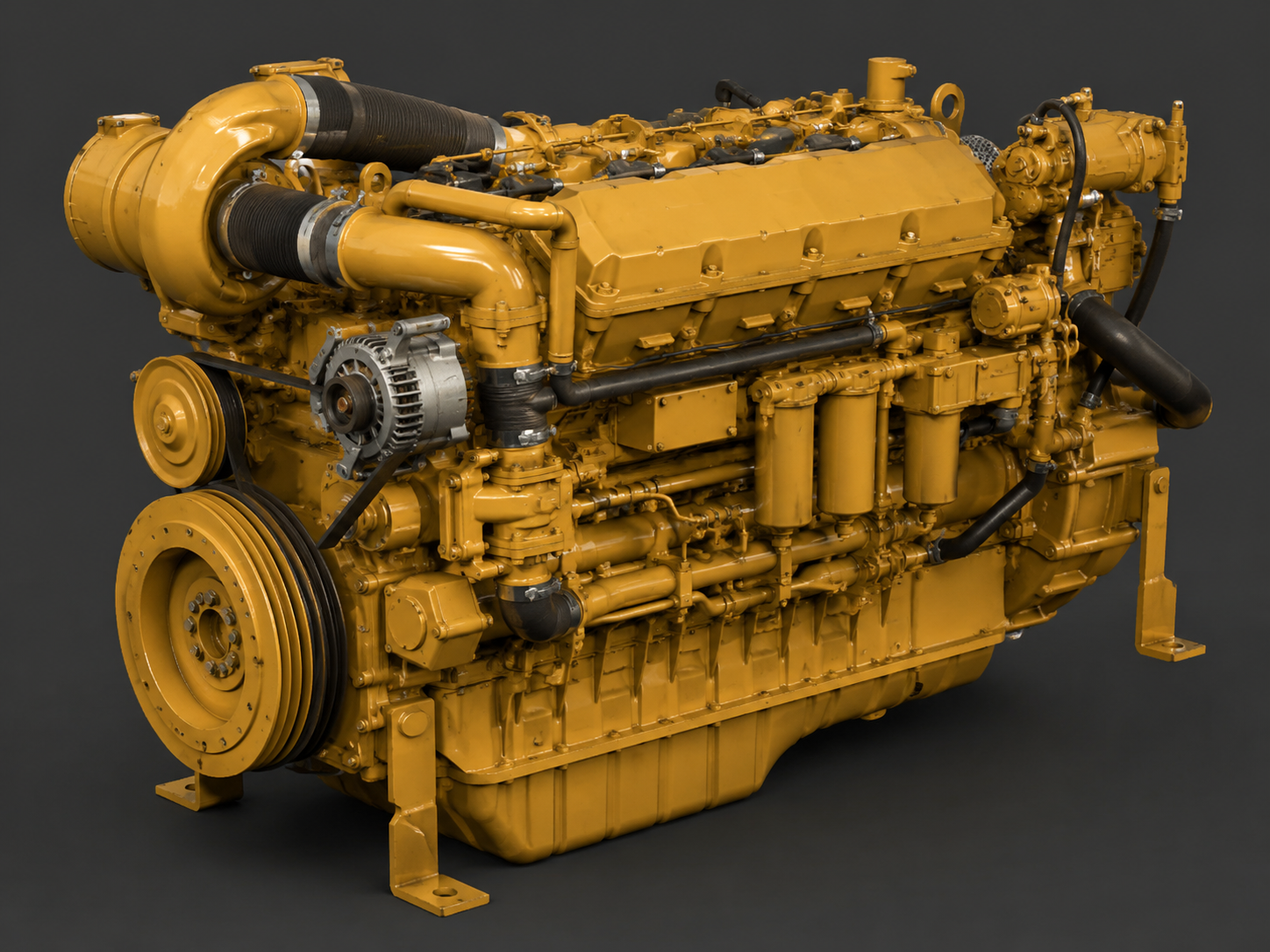
The Caterpillar 3412 marine engine has earned a reputation as one of the most dependable marine diesel engines ever built. You'll find it powering commercial fishing vessels, workboats, tugboats, offshore support vessels, passenger ferries, and large yachts around the world.
But even one of the most reliable Caterpillar marine engines can develop overheating problems if its cooling system isn't maintained.
The good news? Most overheating issues don't require a complete engine rebuild. They often start with one small problem that gradually reduces cooling efficiency.
Let's answer the questions marine engineers ask most often.
Why does a Caterpillar 3412 marine engine overheat?
In most cases, overheating is caused by a lack of cooling rather than an internal engine failure.
The first systems to inspect include:
- Sea strainer
- Seawater pump
- Heat exchanger
- Thermostats
- Coolant level
- Water pump
- Cooling hoses
- Engine room ventilation
A restriction anywhere in the cooling system can slowly increase operating temperatures until alarms begin to sound.
Could the seawater pump be causing the problem?
Absolutely.
The seawater pump is one of the hardest-working Caterpillar 3412 marine engine parts. Every minute the engine operates, it must supply enough raw water to remove heat from the cooling system.
Over time you may experience:
- Worn impeller blades
- Bearing wear
- Seal leakage
- Reduced water flow
- Corrosion
Even a small reduction in seawater flow can make a big difference when the engine is running under heavy load.
Can a blocked heat exchanger really make the engine run hot?
Yes.
The heat exchanger transfers heat from the engine coolant to the incoming seawater.
Inside marine environments, salt deposits, marine growth, corrosion and scale gradually reduce the efficiency of the tubes.
Many overheating complaints are solved simply by professionally cleaning the heat exchanger rather than replacing expensive engine components.
What if the thermostats fail?
Thermostats regulate coolant circulation through the engine.
If one sticks closed, coolant cannot circulate correctly and engine temperature rises rapidly.
If it sticks partially open, you may notice unstable operating temperatures that change with engine load.
Replacing worn thermostats during scheduled maintenance is often far less expensive than repairing an overheated engine.
How important is coolant?
Very important.
Low coolant levels reduce the engine's ability to remove heat.
Always inspect for:
- Coolant leaks
- Damaged hoses
- Loose hose clamps
- Expansion tank level
- Cooling system pressure
Ignoring a small coolant leak today can result in a much larger repair later.
Could engine room ventilation be the problem?
Yes.
Many vessel owners focus only on the engine itself.
However, if hot air cannot escape the engine room, even a perfectly functioning cooling system has to work much harder.
Check:
- Ventilation fans
- Air intakes
- Exhaust outlets
- Belt condition
Proper airflow helps every Caterpillar marine engine operate within its designed temperature range.
Which Caterpillar 3412 marine engine parts should be inspected first?
When troubleshooting overheating, these components deserve the highest priority:
- Seawater pump
- Heat exchanger
- Thermostats
- Water pump
- Hoses
- Belts
- Temperature sensors
- Coolant reservoir
- Sea strainer
- Expansion tank
- Cooling pipes
Routine inspections of these Caterpillar 3412 marine engine parts can prevent unexpected downtime and significantly extend engine life.
How can I prevent my Caterpillar 3412 from overheating?
Preventive maintenance is always less expensive than emergency repairs.
A simple maintenance routine includes:
- Cleaning the sea strainer regularly
- Inspecting seawater pump performance
- Flushing and cleaning the heat exchanger
- Replacing worn thermostats when needed
- Checking coolant level before operation
- Inspecting belts and hoses
- Monitoring engine temperature during every voyage
These inspections only take a short time but can help avoid costly failures.
Final Thoughts
The Caterpillar 3412 marine engine remains one of the most trusted engines in the marine industry because of its durability and long service life.
However, like every Caterpillar marine engine, it depends on a healthy cooling system to perform at its best.
If your engine begins running hotter than normal, don't immediately assume the worst. Start with the basics—inspect the seawater pump, heat exchanger, thermostats, coolant level, and other essential Caterpillar 3412 marine engine parts.
A systematic inspection often identifies the problem before it develops into a major repair.
Frequently Asked Questions
Why is my Caterpillar 3412 overheating only under load?
Restricted seawater flow, a partially blocked heat exchanger, or insufficient engine room ventilation are common causes.
How often should the heat exchanger be cleaned?
The interval depends on operating conditions, water quality, and vessel usage, but regular inspections are recommended, especially in saltwater environments.
Can a worn seawater pump cause overheating?
Yes. A damaged impeller, worn bearings, or internal wear can reduce cooling water flow and increase engine temperature.
Which Caterpillar 3412 marine engine parts wear most frequently?
Common wear items include seawater pumps, thermostats, belts, hoses, seals, heat exchangers, and cooling system components.
Can low coolant damage a Caterpillar marine engine?
Yes. Operating with low coolant can lead to overheating, reduced lubrication efficiency, and potentially severe engine damage if not corrected promptly.