The marine engine performs successive combustion cycles to power the vessel’s propulsion and auxiliary machinery. As a result, the cylinders release a substantial amount of heat and exhaust gases during the ongoing process. Overheating occurs on the cylinder blocks, cylinder heads, exhaust valves, and other engine parts. Engine coolant eliminates the heat from the cylinder head and nearby blocks. However, the pistons within the combustion chamber require a separate cooling mechanism. An intricate cooling assembly featuring a piston cooling nozzle/jet is essential. Here, we delve into the various attributes of the piston nozzle and its significance in piston cooling technology.
What is a Piston Cooling Nozzle?
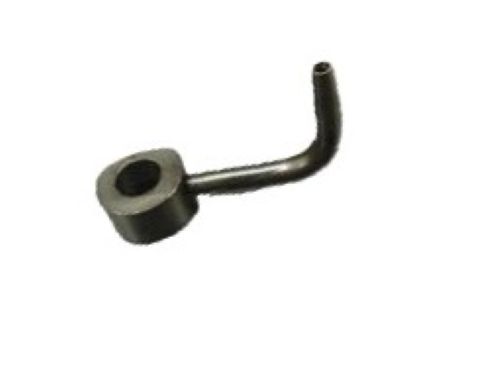
Pistons get heated quickly during rigorous movement inside the cylinder. Maintaining the accurate temperature of the cylinder components is vital for extended engine lifespan. The piston cooling nozzles (jets or nozzle tubes) are a critical part of the cylinder cooling assembly in the engine room. It is responsible for spraying the coolant fluid to eliminate the heat from all piston parts. The part sits on the engine block (usually at the cylinder head). These parts usually have high-grade stainless steel body structures to withstand stubborn marine environments, temperature fluctuations, vibrations, and pressure. Some brands also use aluminum-silicon alloy to make piston jets. Nevertheless, the material choice depends on the type of application and engine type. In some cases, chromium-molybdenum compound is combined with steel for greater strength and durability.Piston Cooling Nozzle Framework
A piston nozzle comprises a nozzle tube with two holes and tiny compartments for the mounting seals. The configuration of the bigger hole on the nozzle body must match the mounting unit on the cylinder head for precise fitting. Furthermore, the seals at every joint ensures ultimate protection from leaking during fluid transmission. The structure allows the coolant to flow through the extended angular end with a small hole. Each round of coolant spray is targeted to the backward portion of the piston. The design of these nozzles may differ from one module to another. It depends on specific factors such as:- The required spray angle and pressure
- Internal combustion engine design
- Position of the cylinders
- The rate of coolant flow
Function and Purpose of the Piston Nozzle
The piston cooling nozzles perform multiple crucial roles in the marine internal combustion engines:- Protect the piston from damage, wearing, deformation, and melting due to overheating
- Lubricating the piston parts to minimize friction between the cylinder liner and the piston
- Maintain thermal balance within the cylinder for optimum stability during combustion cycles