
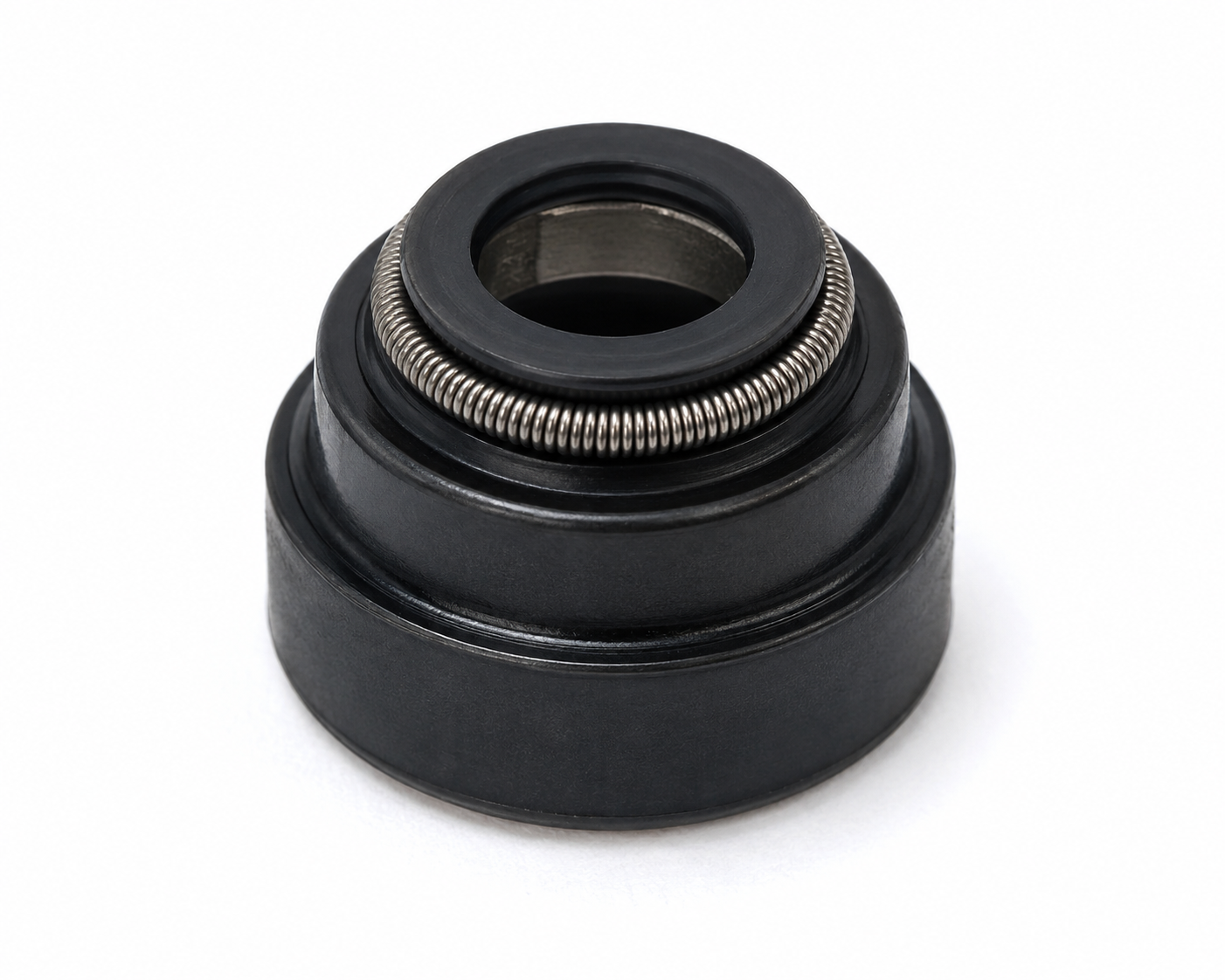

MTU Series 4000 Valve Stem Seal 0000530361: Protecting Valve Train Performance and Engine Reliability
Why the MTU 0000530361 Valve Stem Seal Is Essential for MTU Series 4000 Engines
The MTU Series 4000 marine diesel engine is renowned for its reliability, fuel efficiency, and high power output in demanding applications such as commercial vessels, offshore support ships, naval vessels, tugboats, fast ferries, and luxury yachts. To maintain this level of performance, every component in the valve train must operate with precision. One small but vital component is the MTU Series 4000 Valve Stem Seal 0000530361.
The valve stem seal controls the amount of lubricating oil that reaches the valve stem while preventing excessive oil from entering the combustion chamber. A properly functioning valve stem seal helps maintain clean combustion, reduces oil consumption, minimizes exhaust smoke, and extends the life of valves and valve guides.
If you are searching for the MTU Series 4000 Valve Stem Seal 0000530361, selecting the correct replacement seal is essential for maintaining engine performance and reducing long-term maintenance costs.
Why This Matters
The valve stem seal performs several critical functions:
- Controls lubrication of the valve stem.
- Prevents excessive oil entering the combustion chamber.
- Reduces blue exhaust smoke.
- Maintains efficient combustion.
- Protects valve guides from excessive wear.
- Reduces carbon deposits on valves.
- Helps lower lubricating oil consumption.
A worn or damaged valve stem seal may cause:
- Increased oil consumption.
- Blue smoke during engine start-up.
- Carbon build-up on valves.
- Reduced combustion efficiency.
- Fouled fuel injectors.
- Higher exhaust emissions.
- Premature valve guide wear.
Replacing valve stem seals during scheduled cylinder head overhauls helps maintain engine efficiency and reliability.
Engineering Lesson
How the MTU 0000530361 Valve Stem Seal Works
Every intake and exhaust valve moves continuously inside its valve guide during engine operation.
The MTU 0000530361 Valve Stem Seal is installed on the valve guide and seals around the moving valve stem.
Its primary functions are to:
- Meter the correct amount of lubricating oil.
- Prevent oil leakage into the combustion chamber.
- Protect the valve guide from contamination.
- Maintain efficient valve movement.
- Reduce oil burning.
High engine temperatures, long operating hours, and normal ageing gradually reduce the sealing ability of the valve stem seal.
Replacing seals during major maintenance helps restore proper valve train performance.
Engine Room Reality
Experienced marine engineers rarely replace valve stem seals alone.
During cylinder head maintenance they also inspect:
- Intake valves.
- Exhaust valves.
- Valve guides.
- Valve seats.
- Valve springs.
- Valve retainers.
- Rocker arms.
- Camshaft.
- Fuel injectors.
- Cylinder heads.
Inspecting the complete valve train helps identify wear before serious engine damage develops.
Chief Engineer's Notebook
"A healthy valve train starts with proper sealing and controlled lubrication."
Routine cylinder head maintenance significantly improves long-term engine reliability.
MTU Series 4000 Valve Stem Seal 0000530361: Related Components to Inspect
Intake Valves
Inspect for:
- Carbon deposits.
- Valve face wear.
- Stem wear.
- Seat condition.
- Burning.
Exhaust Valves
Inspect:
- Heat damage.
- Valve seat contact.
- Stem wear.
- Cracks.
- Carbon accumulation.
Valve Guides
Measure:
- Guide clearance.
- Wear.
- Alignment.
- Surface condition.
Worn valve guides reduce the effectiveness of new valve stem seals.
Valve Springs
Inspect for:
- Fatigue.
- Cracks.
- Correct free length.
- Spring pressure.
Camshaft
Inspect:
- Cam lobes.
- Bearing journals.
- Surface wear.
- Lubrication condition.
Fuel Injectors
Poor combustion caused by injector problems can increase valve temperatures and carbon deposits.
Inspect:
- Spray pattern.
- Injection pressure.
- Leakage.
- Nozzle wear.
Cylinder Heads
Inspect:
- Valve seats.
- Combustion chambers.
- Cooling passages.
- Cracks.
- Surface flatness.
Engine Monitoring System
Monitor:
- Oil consumption.
- Exhaust smoke.
- Exhaust temperatures.
- Engine performance.
- Fuel consumption.
- Compression trends.
These indicators often reveal early valve train problems before major repairs become necessary.
Real Marine Maintenance Scenario
Replacing Valve Stem Seals Eliminated Excessive Oil Consumption
A high-speed passenger ferry powered by MTU Series 4000 engines began showing signs of increased lubricating oil consumption after several years of continuous service.
The engineering crew observed:
- Blue exhaust smoke during cold starts.
- Slight increase in engine oil consumption.
- Carbon deposits on several exhaust valves.
- Stable engine power and oil pressure.
- No active fault codes or alarms.
To prevent future engine problems, the Chief Engineer scheduled a cylinder head inspection during the vessel's planned maintenance period.
After removing the cylinder heads, technicians found:
- Hardened and worn MTU Series 4000 Valve Stem Seals 0000530361.
- Slight wear on several valve guides.
- Carbon deposits around the intake valves.
- Normal valve seats and combustion chambers.
- Fuel injectors operating within specification.
The maintenance team replaced all valve stem seals, inspected the valve guides, cleaned the valves, serviced the cylinder heads, and reassembled the engine according to MTU specifications.
Following the overhaul:
- Blue exhaust smoke disappeared.
- Lubricating oil consumption returned to normal.
- Combustion efficiency improved.
- Carbon build-up was significantly reduced.
- The engine returned to reliable service with minimal downtime.
This example highlights how replacing a small sealing component during scheduled maintenance can prevent larger and more expensive repairs.
Oil Analysis: Identifying Early Valve Train Problems
Although valve stem seals do not directly contact the lubricating oil circuit, oil analysis can reveal related engine conditions and identify abnormal wear.
Iron
Iron commonly originates from:
- Camshafts
- Valve train components
- Cylinder liners
- Timing gears
Rising iron levels should always be investigated.
Copper
Copper generally indicates wear from:
- Bearings
- Bushings
- Bearing shells
Unexpected increases may suggest lubrication problems requiring further inspection.
Lead
Lead is commonly associated with bearing overlay wear.
Monitoring lead trends helps detect internal wear before major damage occurs.
Aluminium
Aluminium may originate from pistons or cylinder head components.
Comparing historical oil analysis reports provides valuable trend information.
Silicon
Silicon usually indicates airborne dirt entering through the air intake system.
Poor air filtration accelerates wear on valves, guides, and cylinder liners.
Fuel Dilution
Fuel contamination reduces lubricant viscosity and weakens protection throughout the engine.
Water Contamination
Water contamination promotes corrosion and reduces lubricant effectiveness.
Oxidation
Oxidation indicates oil ageing and helps determine the optimum oil replacement interval.
Viscosity
Maintaining correct oil viscosity ensures proper lubrication of camshafts, rocker arms, valve train components, bearings, and turbochargers.
Routine oil analysis remains an important part of predictive maintenance for MTU Series 4000 engines.
Engineer's Toolbox
Valve Stem Seal Inspection Checklist
Experienced marine engineers inspect:
✔ Valve stem seals.
✔ Valve guides.
✔ Valve stems.
✔ Valve seats.
✔ Valve springs.
✔ Valve retainers.
✔ Camshaft lobes.
✔ Rocker arms.
✔ Cylinder head condition.
✔ Carbon deposits.
A complete valve train inspection helps prevent recurring oil consumption problems after maintenance.
Preventive Maintenance Checklist
Daily
- Monitor lubricating oil level.
- Observe exhaust smoke.
- Check engine performance.
- Monitor engine temperatures.
- Review engine alarms.
Weekly
- Inspect crankcase ventilation.
- Monitor oil consumption.
- Review engine monitoring data.
- Check turbocharger condition.
- Inspect air filtration system.
Every 250–500 Operating Hours
- Perform laboratory oil analysis.
- Replace oil filters.
- Review oil consumption trends.
- Inspect fuel injectors.
- Verify lubrication system condition.
Every 1,000 Operating Hours
- Inspect cylinder heads.
- Check valve clearances.
- Inspect valve train components.
- Review combustion condition.
- Evaluate exhaust temperatures.
Long-Term Maintenance
- Replace valve stem seals during cylinder head overhauls.
- Maintain clean lubrication systems.
- Monitor oil consumption trends.
- Continue routine oil analysis.
- Replace worn valve guides where necessary.
Marine Engineer Tip
Blue exhaust smoke during engine start-up is often an early indication of worn valve stem seals. Investigating the issue promptly can reduce oil consumption and prevent excessive carbon deposits inside the combustion chamber.
Marine Engineer Quote
"Small seals protect big engines—prevent oil leaks today to avoid major repairs tomorrow."
Common Maintenance Mistakes
Avoid these common mistakes:
- Reusing old valve stem seals.
- Ignoring increased oil consumption.
- Replacing seals without measuring valve guide wear.
- Failing to clean carbon deposits.
- Skipping valve clearance inspections.
- Ignoring blue exhaust smoke during cold starts.
- Reusing worn valve springs.
- Returning the cylinder head to service without a complete inspection.
Frequently Asked Questions
What is the MTU Series 4000 Valve Stem Seal 0000530361?
The MTU Series 4000 Valve Stem Seal 0000530361 is a precision sealing component that controls lubricating oil flow around the valve stem while preventing excessive oil from entering the combustion chamber.
When should valve stem seals be replaced?
Valve stem seals should be replaced during cylinder head overhauls or whenever increased oil consumption, blue exhaust smoke, carbon deposits, or worn valve guides are detected.
What causes valve stem seals to fail?
Typical causes include high operating temperatures, ageing, normal wear, hardened sealing material, poor lubrication, and extended service intervals.
Can Alfa Marine Spare Parts supply the MTU Series 4000 Valve Stem Seal 0000530361?
Yes. Alfa Marine Spare Parts supplies genuine, OEM, aftermarket, remanufactured, and reconditioned MTU Series 4000 spare parts, including the 0000530361 Valve Stem Seal, cylinder head components, valves, guides, and overhaul kits.
Worldwide Marine Engine Spare Parts Supply
Alfa Marine Spare Parts supplies MTU Series 4000 Valve Stem Seal 0000530361 together with a comprehensive range of genuine, OEM, aftermarket, remanufactured, and reconditioned MTU Series 4000 marine engine spare parts for:
- Commercial cargo vessels
- Offshore support vessels
- Tugboats
- Fast ferries
- Patrol boats
- Naval vessels
- Fishing vessels
- Pilot boats
- Workboats
- Luxury yachts
We support:
- Shipyards
- Marine engineers
- Chief engineers
- Technical superintendents
- Fleet operators
- Marine repair companies
- Offshore operators
- Government fleets
- Commercial shipping companies
- Yacht management companies
Worldwide delivery is available to the United Kingdom, the United States, Canada, Italy, Spain, France, Germany, the Netherlands, Norway, Greece, Croatia, Monaco, Dubai (UAE), Saudi Arabia, Nigeria, Singapore, Malaysia, Australia, South Africa, Brazil, and major ports worldwide.
Browse Our Complete Catalog
Explore our extensive marine engine parts inventory and engine solutions for all your vessel and equipment maintenance requirements.
Website: https://alfamarinespareparts.com
Browse Our Complete Catalog: https://alfamarinespareparts.com/spareparts
Related Engine Pages
- MTU Series 4000 Marine Engine Spare Parts
- MTU 12V4000 Genuine OEM Parts
- MTU 16V4000 Engine Spare Parts
- MTU 20V4000 Marine Engine Parts
- MTU Marine Spare Parts Supplier Worldwide
- MTU Marine Engine 60370919 Piston Ring
Related Products
- Valve Stem Seals
- Intake Valves
- Exhaust Valves
- Valve Guides
- Valve Springs
- Cylinder Heads
- Camshafts
- Rocker Arms
- Fuel Injectors
- Turbochargers
- Head Gasket Kits
- Cylinder Head Overhaul Kits
Further Reading
Expand your marine engineering knowledge with these related topics:
- MTU Series 4000 Cylinder Head Maintenance
- Understanding Valve Train Wear in Marine Diesel Engines
- Causes of Blue Exhaust Smoke in Marine Engines
- Oil Analysis for Predictive Marine Maintenance
- Preventive Maintenance for MTU Series 4000 Engines
Why Choose Alfa Marine Spare Parts?
Alfa Marine Spare Parts supplies genuine, OEM, aftermarket, remanufactured, and reconditioned MTU spare parts backed by experienced marine engine specialists.
Whether you require the MTU Series 4000 Valve Stem Seal 0000530361, complete cylinder head overhaul kits, valves, guides, or other MTU Series 4000 components, our team provides expert technical support and fast worldwide shipping to keep your vessel operating reliably.
Contact Alfa Marine Spare Parts
Website: https://alfamarinespareparts.com
Browse Our Complete Catalog: https://alfamarinespareparts.com/spareparts
Email: request@alfamarinespareparts.com
Contact Alfa Marine Spare Parts today for expert assistance sourcing the MTU Series 4000 Valve Stem Seal 0000530361 and other MTU Series 4000 marine engine spare parts.
One Final Thought
The MTU Series 4000 Valve Stem Seal 0000530361 may be one of the smallest components in the cylinder head, but it has a significant impact on engine efficiency, oil consumption, emissions, and valve train longevity. Replacing worn valve stem seals during scheduled maintenance helps maintain clean combustion, protect valve guides, and reduce unnecessary oil loss.
Combined with regular oil analysis, cylinder head inspections, and the use of high-quality replacement parts, proactive valve train maintenance helps maximize the performance, reliability, and service life of every MTU Series 4000 marine engine.