MTU 16V 2000 M91 Oil Pressure Regulator Inspection: Why Stable Oil Pressure Is Essential for Engine Reliability
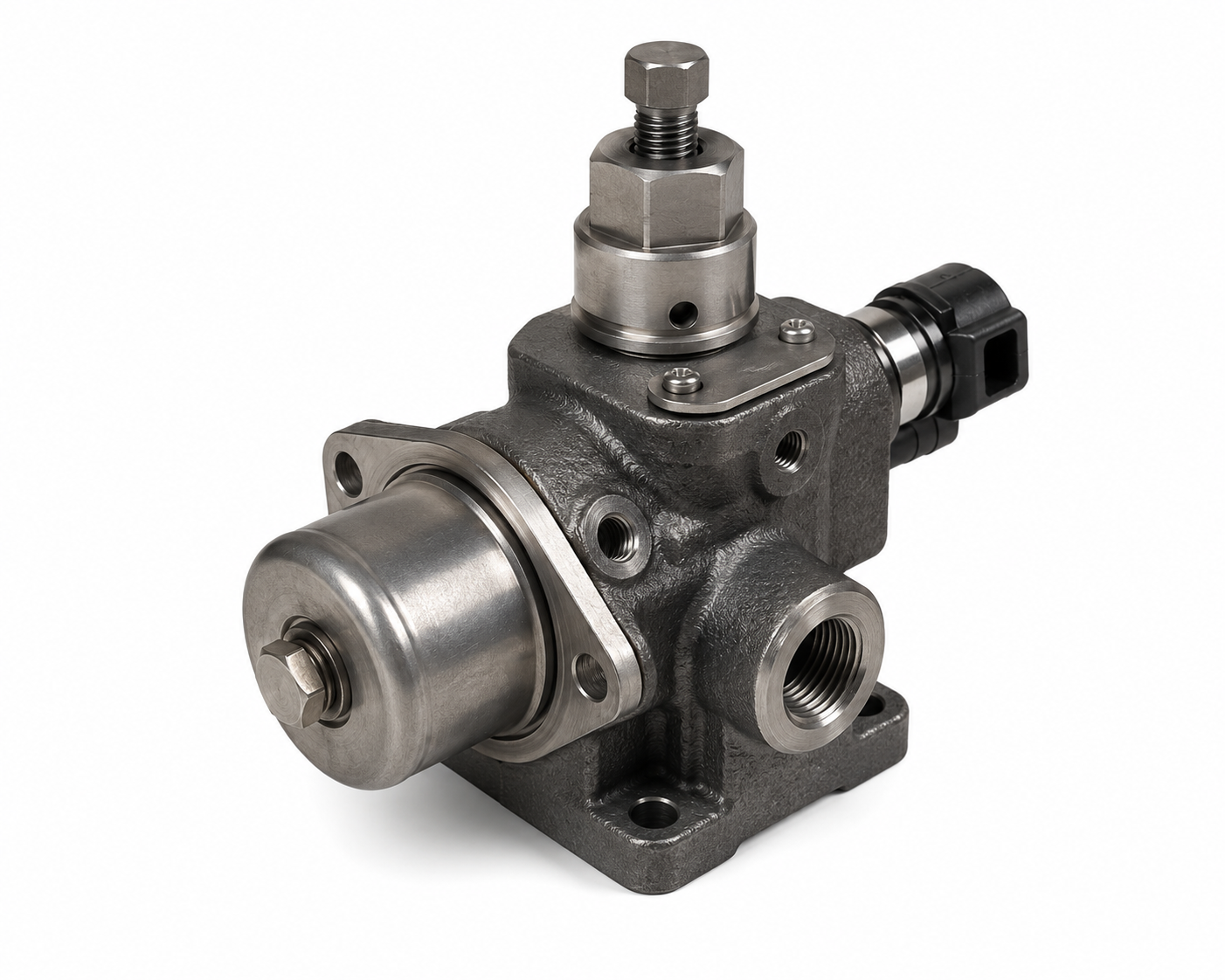
When marine engineers notice changes in engine oil pressure, the first thought is often a worn oil pump or clogged oil filter. However, another component plays an equally important role in maintaining proper lubrication—the oil pressure regulator.
On the MTU 16V 2000 M91, the oil pressure regulator ensures that lubricating oil is delivered throughout the engine at the correct pressure, regardless of engine speed or operating conditions. Every major moving component, from the crankshaft bearings to the camshaft and turbochargers, depends on stable oil pressure for reliable operation.
Although the regulator is rarely seen during routine maintenance, its performance directly affects engine longevity. Regular inspection during scheduled servicing can help prevent lubrication problems before they develop into expensive repairs.
What Does the Oil Pressure Regulator Do?
The oil pressure regulator is part of the engine's lubrication system.
Its purpose is to control the pressure of lubricating oil circulating through the engine.
As engine speed changes, oil pump output also changes. The regulator automatically adjusts oil flow to maintain pressure within the range specified by MTU.
Its responsibilities include:
- Controlling oil pressure
- Protecting engine bearings
- Preventing excessive oil pressure
- Supporting consistent lubrication
- Reducing stress on oil seals
- Helping maintain reliable engine operation
Without proper regulation, both excessively high and low oil pressure can damage engine components.
Why Is Stable Oil Pressure So Important?
The lubrication system forms a thin protective film between moving metal components.
If oil pressure drops:
- Bearings may receive insufficient lubrication.
- Camshaft components experience increased wear.
- Turbocharger bearings may overheat.
- Friction increases throughout the engine.
If oil pressure becomes too high:
- Oil seals may be overloaded.
- Oil filters experience unnecessary stress.
- Internal components can suffer from excessive hydraulic pressure.
The oil pressure regulator helps maintain the correct balance.
A Real Marine Maintenance Scenario
A workboat powered by MTU 16V 2000 M91 engines showed occasional fluctuations in oil pressure during long periods of high-speed operation.
Oil quality was excellent.
The oil pump inspection revealed no abnormalities.
Engine bearings remained within acceptable limits.
Further investigation focused on the oil pressure regulator.
A small amount of varnish and contamination had restricted the regulator valve, preventing smooth movement.
After cleaning the lubrication circuit and replacing the regulator assembly, oil pressure stabilized throughout the operating range.
Routine inspection prevented unnecessary replacement of other expensive components.
Common Causes of Oil Pressure Regulator Problems
Several conditions can reduce regulator performance over time.
Oil Contamination
Small particles suspended in engine oil may interfere with valve movement.
Sludge Formation
Extended oil change intervals can allow varnish and sludge to build inside lubrication passages.
Spring Fatigue
The regulator spring operates continuously and may gradually lose its designed tension after many operating hours.
Dirty Lubrication System
Contamination within the oil galleries can restrict regulator operation.
Incorrect Lubricating Oil
Using oil that does not meet MTU specifications may affect pressure stability and overall lubrication performance.
Early Warning Signs
Engineers should investigate:
- Fluctuating oil pressure
- Low oil pressure warnings
- High oil pressure readings
- Delayed oil pressure after start-up
- Abnormal bearing noise
- Increasing engine temperatures
- Unusual turbocharger noise
- Repeated oil pressure alarms
- Abnormal oil analysis reports
- Inconsistent lubrication performance
Early diagnosis helps prevent extensive engine damage.
Related Components to Inspect
Whenever the oil pressure regulator is inspected, also examine:
- Oil pump
- Oil filters
- Oil cooler
- Oil pressure sensor
- Pressure relief valve
- Main bearings
- Connecting rod bearings
- Camshaft bearings
- Turbocharger oil supply lines
- Lubrication galleries
Inspecting the complete lubrication system provides a more accurate diagnosis.
Oil Analysis and Condition Monitoring
Oil analysis is one of the most effective tools for monitoring lubrication system health.
Regular laboratory analysis can detect:
- Iron
- Copper
- Lead
- Tin
- Silicon contamination
- Fuel dilution
- Water contamination
- Oxidation
- Oil viscosity changes
Trending these results over time allows engineers to identify developing lubrication issues before they become critical.
Preventive Maintenance Checklist
Protect your lubrication system with routine inspections.
✔ Replace engine oil according to MTU maintenance schedules.
✔ Install new oil filters at every oil service.
✔ Monitor oil pressure during operation.
✔ Perform routine oil analysis.
✔ Investigate abnormal pressure readings immediately.
✔ Inspect lubrication passages during major overhauls.
✔ Use only approved lubricants.
✔ Keep accurate maintenance records.
✔ Replace worn sensors if required.
✔ Follow MTU service recommendations.
Marine Engineer Tip
Never assume an oil pressure warning automatically means the oil pump has failed.
Verify oil level, filter condition, sensor accuracy, and the oil pressure regulator before replacing major lubrication components. A systematic diagnosis often identifies a much simpler solution.
Common Maintenance Mistakes
Avoid these common mistakes:
- Ignoring small oil pressure fluctuations.
- Extending oil change intervals.
- Reusing contaminated oil filters.
- Using incorrect engine oil.
- Replacing the oil pump before diagnosing the regulator.
- Skipping routine oil analysis.
Frequently Asked Questions
Can the oil pressure regulator affect engine reliability?
Yes. Stable oil pressure is essential for protecting bearings, camshafts, turbochargers, and other moving components.
What causes oil pressure fluctuations?
Possible causes include regulator wear, contamination, oil pump issues, clogged filters, or sensor faults.
Should the regulator be inspected during an overhaul?
Yes. Most major engine overhauls include inspection of lubrication system components, including the oil pressure regulator.
Can oil analysis detect regulator problems?
Oil analysis cannot diagnose the regulator directly, but it can identify lubrication issues that may result from unstable oil pressure.
Is preventive maintenance better than waiting for failure?
Absolutely. Regular inspections help identify lubrication issues before significant engine damage occurs.
Worldwide Marine Engine Spare Parts Supply
Alfa Marine Spare Parts supplies genuine, OEM, aftermarket, remanufactured, and reconditioned spare parts for the MTU 16V 2000 M91 and the complete MTU Series 2000 engine range.
We proudly support:
- Marine Engineers
- Chief Engineers
- Technical Superintendents
- Shipyards
- Commercial Vessel Operators
- Offshore Operators
- Government Fleets
- Fishing Fleets
- Yacht Builders
- Marine Service Companies
We regularly supply marine engine spare parts throughout the United Kingdom, United States, Italy, Spain, France, Germany, the Netherlands, Norway, Greece, Monaco, Dubai (UAE), and Nigeria.
Browse Our Complete Catalog
Explore our extensive inventory of MTU marine engine spare parts, including:
- Oil pressure regulators
- Oil pumps
- Oil coolers
- Oil filters
- Main bearings
- Connecting rod bearings
- Camshaft bearings
- Turbochargers
- Cylinder heads
- Complete overhaul kits
Browse our complete catalog:
https://alfamarinespareparts.com/spareparts
Why Choose Alfa Marine Spare Parts?
At Alfa Marine Spare Parts, we understand that reliable lubrication is the foundation of every marine diesel engine. Whether you require an oil pressure regulator, lubrication components, or a complete overhaul kit, our experienced team can help you identify the correct parts quickly and accurately.
We provide:
- Genuine, OEM, aftermarket, remanufactured, and reconditioned marine engine spare parts
- Worldwide shipping
- Fast quotations
- Technical support for part identification
- Components for MTU, Caterpillar, Wärtsilä, Cummins, MAN, Volvo Penta, Scania, Detroit Diesel, Perkins, Yanmar, and many other leading marine engine manufacturers
Contact Alfa Marine Spare Parts
Website: https://alfamarinespareparts.com
Email: request@alfamarinespareparts.com
Whether you're carrying out preventive maintenance or troubleshooting lubrication issues, our team is ready to help you source the correct MTU spare parts for your vessel.
Conclusion
The oil pressure regulator on the MTU 16V 2000 M91 is a small but critical component that ensures the engine receives stable lubrication under all operating conditions. By maintaining the correct oil pressure, it protects bearings, camshafts, turbochargers, and other precision-engineered parts from premature wear. Including the regulator in your preventive maintenance program, alongside routine oil analysis and scheduled inspections, can significantly improve engine reliability, reduce downtime, and extend the service life of your MTU Series 2000 marine engine.