MTU 10V 2000 M84 Freshwater Pump Inspection: The Cooling Component That Keeps Every Cylinder Protected
When marine engineers hear the words cooling system, the seawater pump usually gets most of the attention.
While seawater pumps are essential, another component works just as hard every minute the engine is running—the freshwater pump.
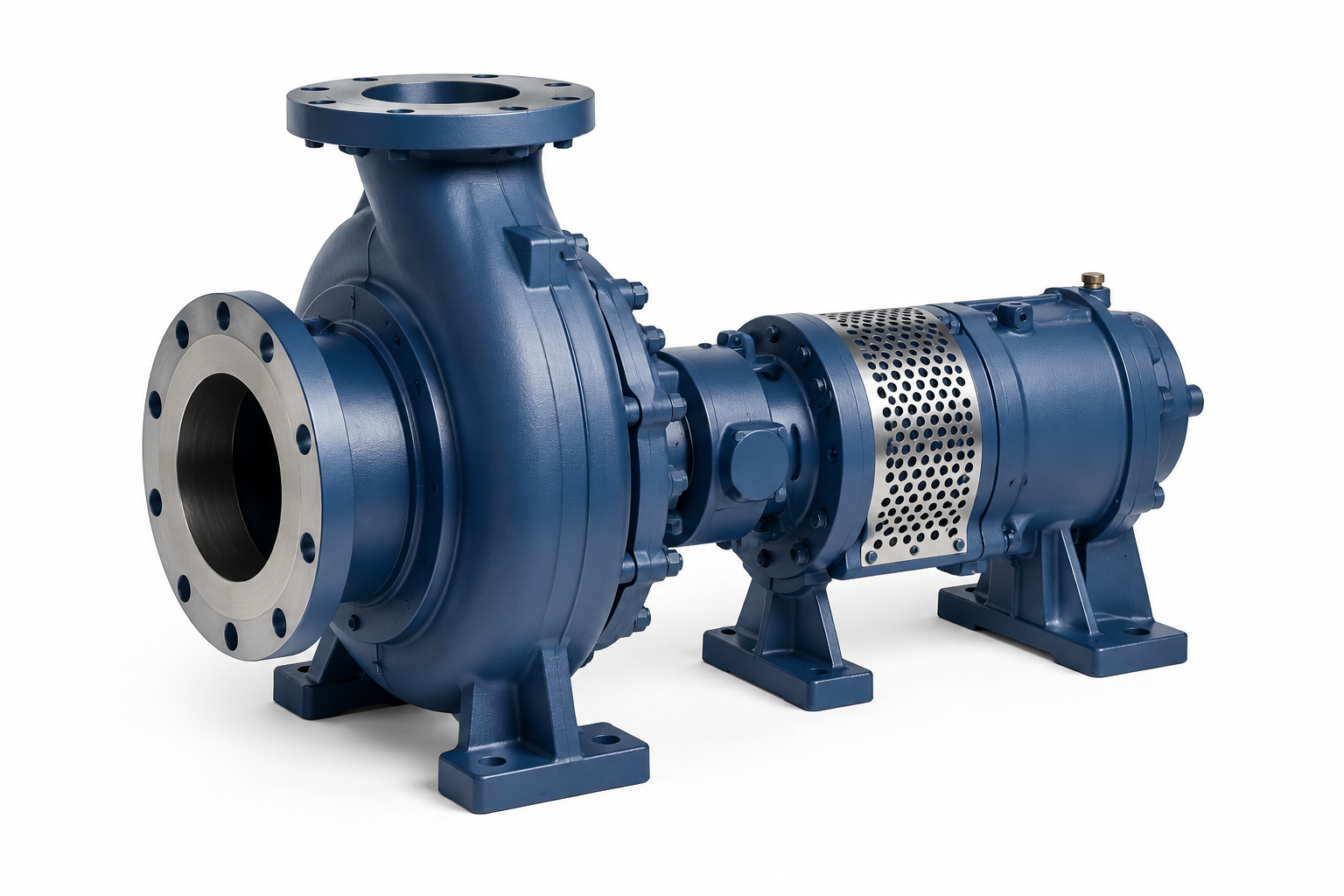
On the MTU 10V 2000 M84, the freshwater pump continuously circulates coolant through the cylinder block, cylinder heads, oil cooler, charge air cooler, and heat exchanger. Without proper coolant circulation, engine temperatures can rise rapidly, placing every major engine component at risk.
Unlike sudden mechanical failures, freshwater pump problems often develop gradually. Recognizing the early warning signs can help prevent overheating, reduce repair costs, and keep your vessel operating safely.
What Does the Freshwater Pump Do?
The freshwater pump is the heart of the closed-loop cooling system.
Its job is to circulate coolant through the engine while maintaining a stable operating temperature.
The pump helps cool:
- Cylinder block
- Cylinder heads
- Oil cooler
- Charge air cooler
- Exhaust valve area
- Turbocharger cooling passages (where applicable)
Without continuous coolant circulation, the engine cannot maintain its designed operating temperature.
Why Is Coolant Circulation So Important?
The MTU 10V 2000 M84 produces a tremendous amount of heat during combustion.
The freshwater pump ensures that heat is continuously removed from critical engine components.
Proper coolant flow helps to:
- Prevent overheating
- Reduce thermal stress
- Protect cylinder heads
- Maintain piston cooling
- Stabilize engine temperature
- Improve engine efficiency
Consistent coolant circulation is essential for long engine life.
A Real Marine Maintenance Scenario
A coastal rescue vessel powered by MTU 10V 2000 M84 engines had no engine alarms and coolant levels remained normal.
However, engineers noticed that coolant temperature occasionally increased during long periods of high-speed operation before returning to normal once engine load decreased.
Instead of assuming the problem was caused by seawater flow, the maintenance team inspected the freshwater circulation pump.
The impeller inside the pump had gradually worn after thousands of operating hours, reducing coolant circulation at higher engine speeds.
After replacing the pump assembly and flushing the cooling system, coolant temperatures stabilized and the engine returned to normal operation.
Early diagnosis prevented a much more expensive overheating incident.
What Causes Freshwater Pump Wear?
Although freshwater pumps are designed for durability, several conditions can shorten their service life.
Continuous Operation
The freshwater pump operates whenever the engine is running.
Thousands of operating hours naturally wear bearings, seals, and impeller components.
Coolant Contamination
Dirty or degraded coolant can increase wear on pump components and reduce cooling efficiency.
Bearing Fatigue
Pump bearings rotate continuously under load.
As they wear, coolant circulation may become less efficient.
Seal Deterioration
Mechanical seals gradually age and may eventually allow coolant leakage.
Small leaks should never be ignored.
Incorrect Coolant Maintenance
Using incorrect coolant or neglecting scheduled coolant replacement may accelerate corrosion and internal wear.
Early Warning Signs
Freshwater pump problems often begin gradually.
Watch for:
- Gradual coolant temperature increases
- Coolant leaks near the pump
- Bearing noise
- Reduced coolant circulation
- Coolant stains around the pump housing
- Engine overheating under heavy load
- Steam around the cooling system
- Abnormal pump vibration
- Repeated coolant top-ups
- Visible corrosion around pump components
Prompt investigation helps prevent more serious engine damage.
Why Coolant Quality Matters
The freshwater pump depends on clean, properly conditioned coolant.
Good coolant provides:
- Corrosion protection
- Lubrication for seals
- Stable heat transfer
- Protection against internal deposits
- Long pump life
Old or contaminated coolant gradually reduces cooling system efficiency.
Components to Inspect Alongside the Freshwater Pump
Whenever the freshwater pump is serviced, engineers should also inspect:
- Thermostat
- Heat exchanger
- Expansion tank
- Coolant hoses
- Hose clamps
- Charge air cooler
- Oil cooler
- Seawater pump
- Drive belts
- Coolant temperature sensors
Inspecting the complete cooling system helps identify the true source of cooling problems.
Can Coolant Analysis Help?
Yes.
Just as oil analysis monitors lubrication, coolant analysis helps evaluate cooling system condition.
Testing can identify:
- Corrosion inhibitors
- Coolant contamination
- pH balance
- Glycol concentration
- Metal contamination
- Cooling system degradation
Routine coolant testing often identifies problems before mechanical failures occur.
Preventive Maintenance Checklist
Keep your freshwater cooling system operating efficiently by following these maintenance practices.
✔ Inspect coolant level regularly.
✔ Replace coolant according to MTU recommendations.
✔ Inspect the freshwater pump during scheduled maintenance.
✔ Monitor coolant temperature trends.
✔ Check for leaks around seals.
✔ Inspect bearings for abnormal noise.
✔ Flush the cooling system when required.
✔ Inspect hoses and clamps.
✔ Perform coolant analysis.
✔ Maintain accurate service records.
Marine Engineer Tip
Don't judge the cooling system by temperature alone.
If coolant temperatures slowly increase over several months—even while remaining below alarm limits—it may indicate declining pump performance or reduced coolant flow.
Comparing current operating temperatures with historical engine records often reveals cooling system deterioration long before overheating occurs.
Common Maintenance Mistakes
Avoid these common mistakes:
- Ignoring small coolant leaks.
- Mixing different coolant types.
- Replacing hoses but not inspecting the pump.
- Skipping coolant analysis.
- Waiting for overheating before servicing the pump.
- Neglecting scheduled coolant replacement.
Frequently Asked Questions
How long does a freshwater pump normally last?
Its lifespan depends on operating hours, coolant quality, maintenance practices, and operating conditions. Regular inspections help determine when replacement is necessary.
Can a worn freshwater pump cause overheating?
Yes. Reduced coolant circulation is a common cause of increasing engine temperatures.
Should coolant be analysed?
Absolutely. Coolant analysis helps monitor corrosion protection, contamination, and overall cooling system condition.
Can coolant leaks damage the pump?
Small leaks often indicate seal deterioration and should be repaired promptly before bearing damage develops.
Should the freshwater pump be replaced during an overhaul?
Many operators inspect or replace the pump during major engine overhauls to improve long-term reliability.
Worldwide Marine Engine Spare Parts Supply
Alfa Marine Spare Parts supplies genuine, OEM, aftermarket, remanufactured, and reconditioned spare parts for the MTU 10V 2000 M84 and the complete MTU Series 2000 engine family.
We proudly support:
- Shipyards
- Marine engineers
- Chief engineers
- Technical superintendents
- Fleet operators
- Commercial shipping companies
- Offshore operators
- Luxury yacht operators
- Government fleets
- Marine repair companies
We regularly supply marine engine spare parts throughout the United Kingdom, United States, Dubai (UAE), Monaco, Nigeria, the Netherlands, Italy, Spain, France, Germany, Norway, and Greece.
Browse Our Complete Spare Parts Catalog
Alfa Marine Spare Parts supplies a complete range of MTU Series 2000 spare parts, including:
- Freshwater pumps
- Seawater pumps
- Heat exchangers
- Charge air coolers
- Oil coolers
- Thermostats
- Turbochargers
- Fuel injectors
- Cylinder heads
- Gaskets and seals
- Complete overhaul kits
Browse our complete catalog:
https://alfamarinespareparts.com/spareparts
Why Choose Alfa Marine Spare Parts?
Reliable engine cooling depends on every component in the cooling circuit working together. At Alfa Marine Spare Parts, we help marine professionals source the correct replacement parts for planned maintenance, emergency repairs, and complete engine overhauls. Whether you operate a commercial vessel, patrol boat, offshore support vessel, or luxury yacht, we are committed to supplying dependable marine engine solutions.
We provide:
- Genuine, OEM, aftermarket, remanufactured, and reconditioned marine engine spare parts
- Worldwide shipping
- Fast quotations
- Expert assistance with part identification
- Support for MTU, Caterpillar, Wärtsilä, MAN, Cummins, Volvo Penta, Scania, Detroit Diesel, Perkins, Yanmar, and many other leading marine engine manufacturers
Contact Alfa Marine Spare Parts
Looking for MTU 10V 2000 M84 freshwater pumps, cooling system components, or complete overhaul parts?
Website: https://alfamarinespareparts.com
Email: request@alfamarinespareparts.com
Our experienced marine parts specialists are ready to help you identify the correct components for maintenance, repairs, and complete engine overhauls.
Conclusion
The freshwater pump on the MTU 10V 2000 M84 is one of the most important components in the closed-loop cooling system, ensuring that coolant flows continuously through the engine to remove excess heat. Although it often operates unnoticed, worn bearings, deteriorating seals, or reduced coolant circulation can gradually increase engine temperatures and place critical components at risk. Through regular inspections, coolant analysis, and preventive maintenance, marine engineers can extend pump life, reduce the risk of overheating, and maintain the reliable performance expected from the MTU Series 2000 marine engine.