
Temperature management is essential to optimise engine health, performance, and efficiency for extended lifecycle. While vessel owners are cautious about the coolants and exhausts, the thermostat is often overlooked. A marine thermostat is a small device but an integral part of the engine’s cooling system. We are offering a guide to marine engine thermostats here to demonstrate the importance of this device in the engine’s cooling unit.
What is a Thermostat in the Ship Engine
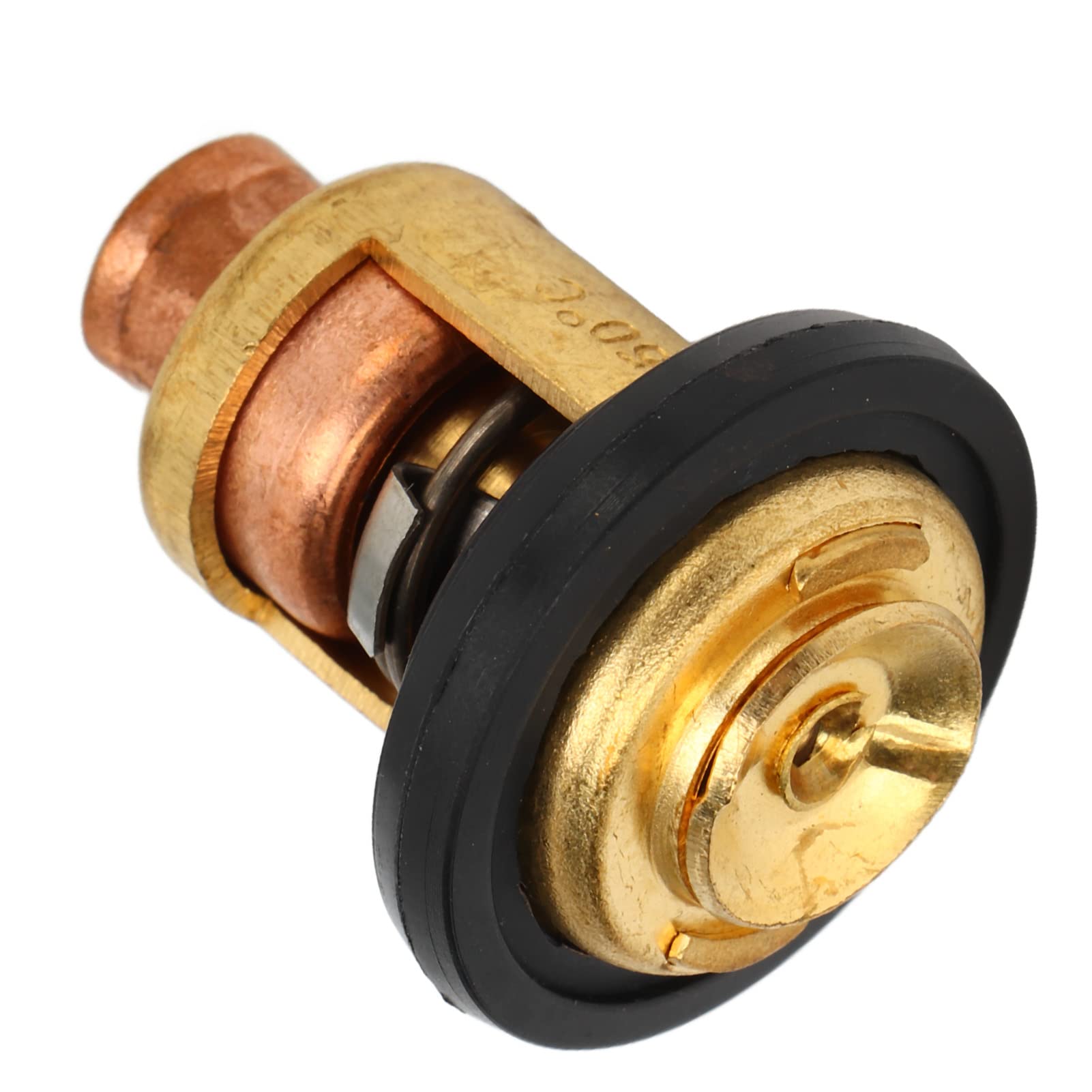
A marine thermostat is located within the thermostat housing (between the radiator and the engine) and held to its position with a fastener. Its prime function is to regulate the circulation of the coolant fluid (water or oil) across the engine’s cooling system. The temperature-reactive valve maintains the optimal engine operating temperature range (80o-88oC). This device is used in both 2-stroke and 4-stroke internal combustion engines and has a complex mechanism to ensure precise movement. Here is a synopsis of the components of marine engine thermostat:- Primary Valve – allows cool water to flow to the radiator when the temperature surges above normal temperature
- Bypass Valve – when the engine temperature rises, this valve closes to discharge the cooling water to the radiator
- Wax Cylinder – this charge cylinder contains solid wax. The wax starts melting when the cooling water accumulates heat. The melted wax induces the secondary valve to close and uplifts the piston to open the main valve on the top.
- Main Valve Gasket – restricts the primary valve from unwanted flow
- Primary Spring – creates tension to close the primary valve when the temperature of the cooling water drops below the specified level
- Secondary Spring – controls the retraction of the piston rod to a specific point, submerging it into the wax cylinder
- Piston/Plunger - regulates the opening and closing of the thermostat valve