The steerage machine of a marine vessel is an essential component that grants novel administration and mobility in the water. The steering device plays a crucial role in ensuring the vessel's safety and performance, whether it is a small recreational boat or a large industrial delivery. In this article, we can discover the unique kinds of marine steering systems, their upkeep requirements, commonplace troubles, and repair solutions. 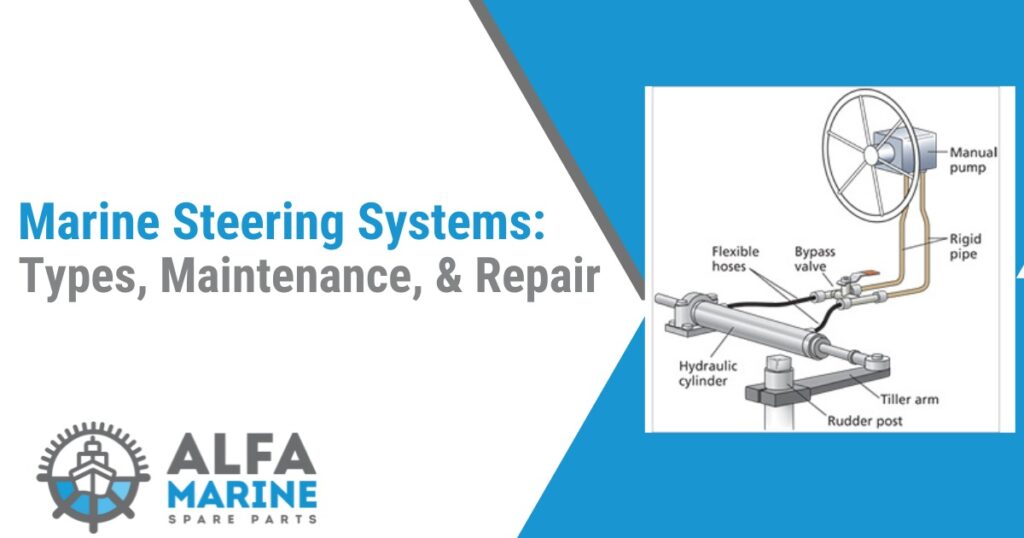
Types of Marine Steering
Tiller Marine Steering
Tiller steering is one of the most straightforward and greatest normal styles of direction frameworks used in little boats. It incorporates a turner, which connects to the rudder on both sides, allowing the operator to control the direction of the boat by moving the turner left or right.Wheel Steering
Large boats and yachts more commonly feature wheel steering. Moreover, it uses a guidance wheel linked to a mechanical linkage or hydraulic machine to control the direction of the rudder. Wheel steering offers a greater comfortable and intuitive steering experience in comparison to tiller steerage.Hydraulic Marine Steering
Hydraulic steerage systems use hydraulic fluid to transmit steerage movements from the guidance wheel to the rudder. Large boats commonly utilize these structures, offering smooth and responsive steering. Moreover, they require ordinary preservation to make sure the hydraulic fluid is smooth and at a suitable stress.Cable Steering
Cable steering systems use cables to transmit guidance moves from the steerage wheel to the rudder. Mid-sized boats usually use these systems, providing a reliable and cost-effective steering solution. However, they require regular inspection and lubrication to prevent cable wear and ensure smooth operation.Power-Assisted Steering
Power-assisted steering structures use hydraulic or electric powered strength to assist with steering, making it less complicated for the operator to show the wheel. These systems are commonly located on large boats and offer brought management and luxury, specifically in tough sea situations.Maintenance of Marine Steering Systems
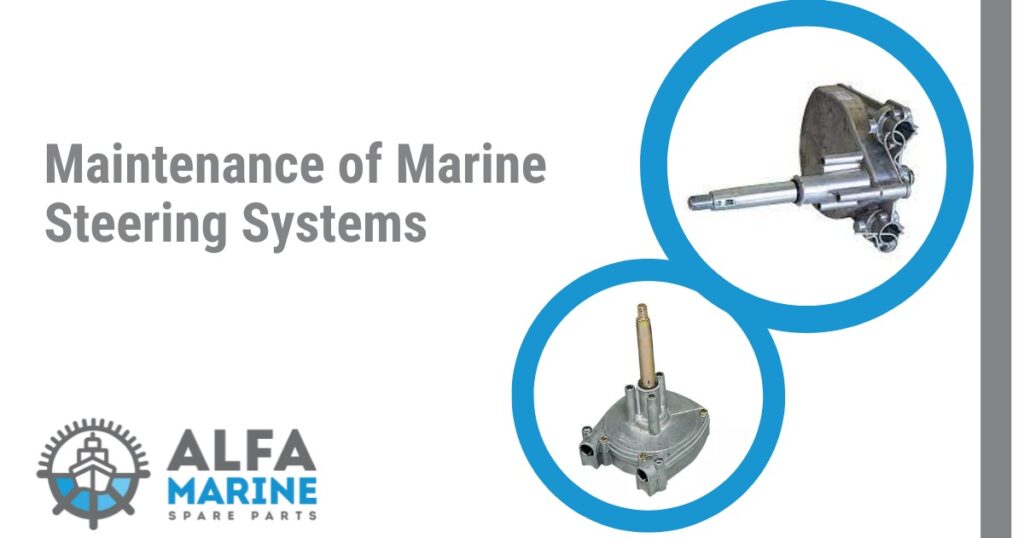
Proper protection of the marine steering device is crucial to ensure its reliability and toughness. Moreover, a few key maintenance tasks that should be accomplished often are as follows: Inspecting for Wear and Damage
Regularly investigate the guidance additives, together with the guidance wheel, cables, linkage, and rudder, for signs and symptoms of damage or damage. Replace any worn or damaged parts without delay to save you from steerage failure.Lubrication
Keep the steering gadget properly lubricated to prevent corrosion and ensure easy operation. Moreover, the use of marine-grade lubricants is encouraged via the producer for best outcomes.Checking Hydraulic Fluid Levels
Regularly check and top up the hydraulic fluid levels if your boat has a hydraulic steering system. Ensure the fluid is easy and free of contaminants.Bleeding the Hydraulic System
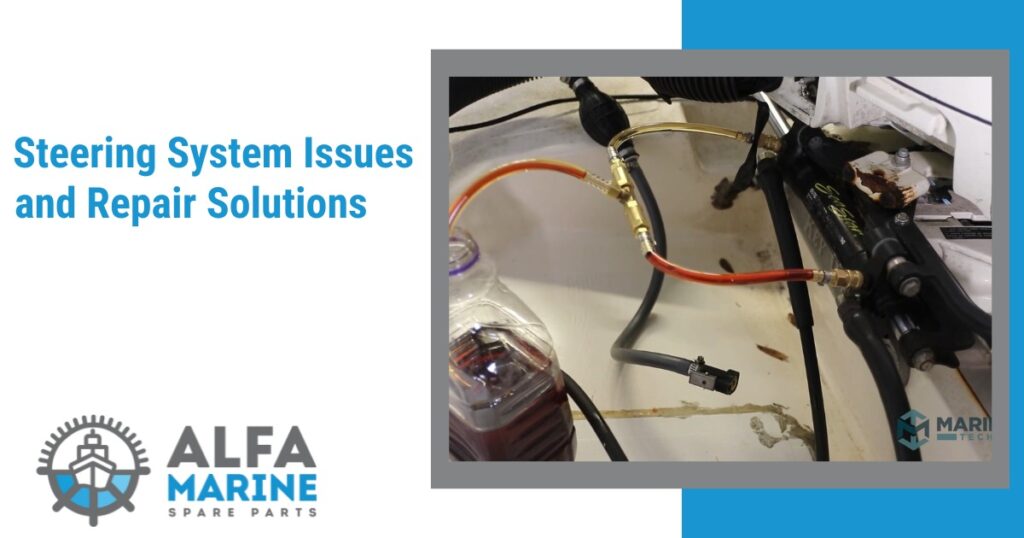
If you've got a hydraulic steering gadget, it may require bleeding to do away with air bubbles from the machine. Moreover, follow the producer's commands cautiously to avoid destroying the machine.Testing the Steering System
Regularly test the steering machine by way of turning the wheel from lock to lock to make sure it operates easily and without any uncommon noises. Moreover, if you are aware of any problems, look at and address them directly.Common Issues and Repair Solutions