Marine Refrigeration Systems: Types, Maintenance, and Repair:
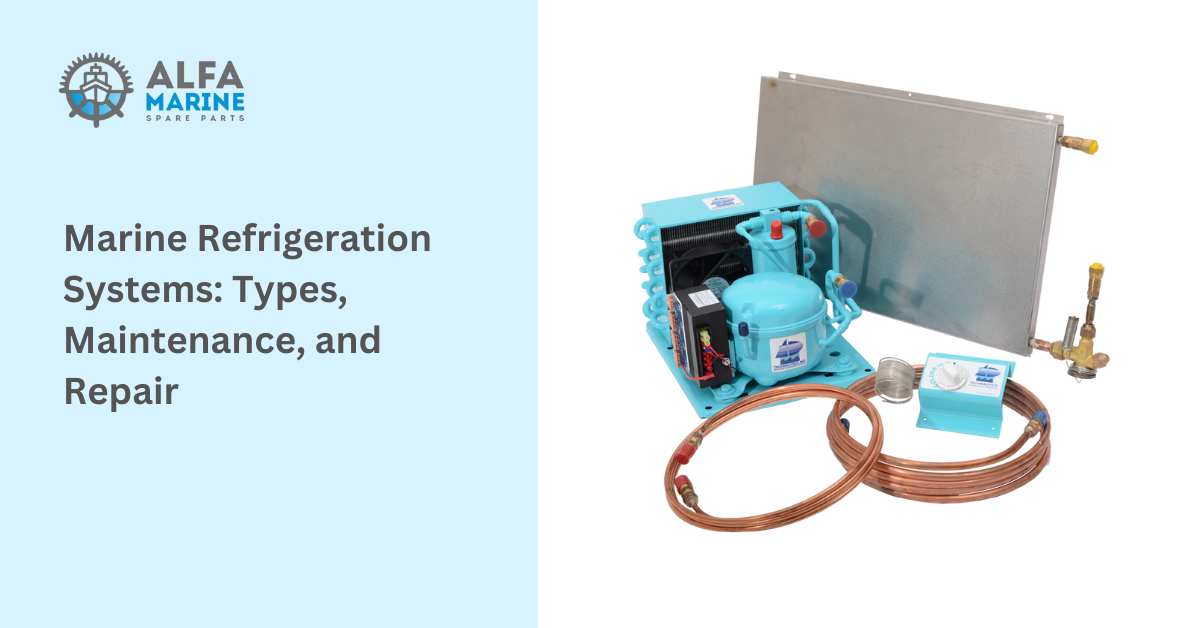
Marine refrigeration structures are critical onboard structures that provide cooling for meals garage, protection, and comfort during lengthy trips at sea. These structures are available in numerous sorts, each with its particular functions and protection necessities. Proper expertise of marine refrigeration systems is crucial for making sure their green operation and durability. In this article, we can discover the kinds of marine refrigeration systems, the way to keep them, and what to do whilst repairs are wanted.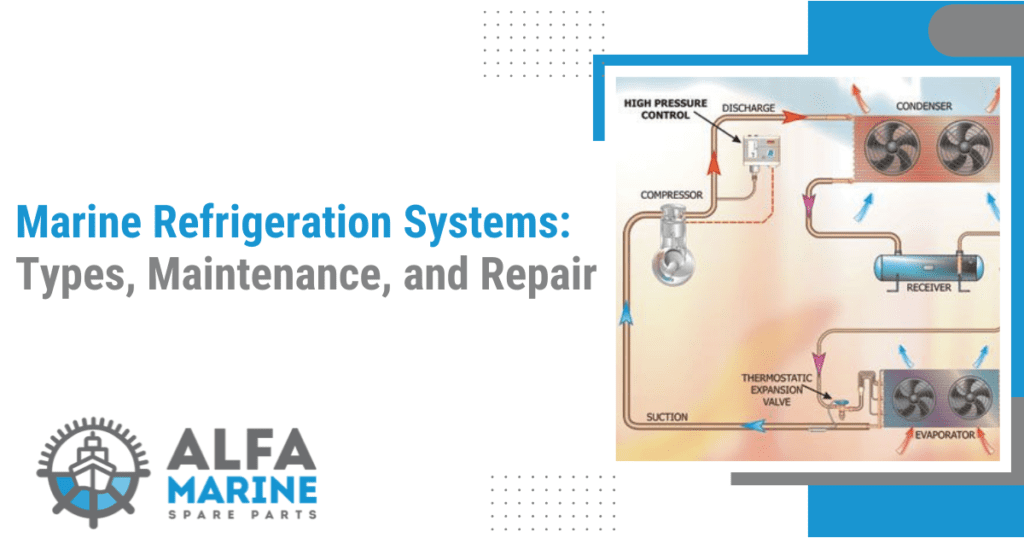
Types of Marine Refrigeration Systems:
Direct Expansion Systems:
These systems use a refrigerant that evaporates directly in the cooling coils. They are easy to lay and typically used in smaller boats or for small-scale refrigeration needs.Engine-Driven Systems :
These systems use the boat's engine to energy the compressor, offering cooling without the want for additional strength. They are dependable but may be noisy and can devour extra gas.Electric Systems:
These structures use electricity to electricity the compressor and are appropriate for large boats or while a steady power supply is available. They are efficient but may additionally require a generator to perform.Hybrid Systems:
These systems combine the advantages of engine-driven and electric systems, presenting flexibility and performance. They can switch between power assets based on availability.Air-Cooled Systems:
These systems use air to cool the refrigerant, making them appropriate for boats without getting the right of entry to water for cooling. They are less complicated to install but may additionally require greater maintenance in hot climates.Water-Cooled Systems:
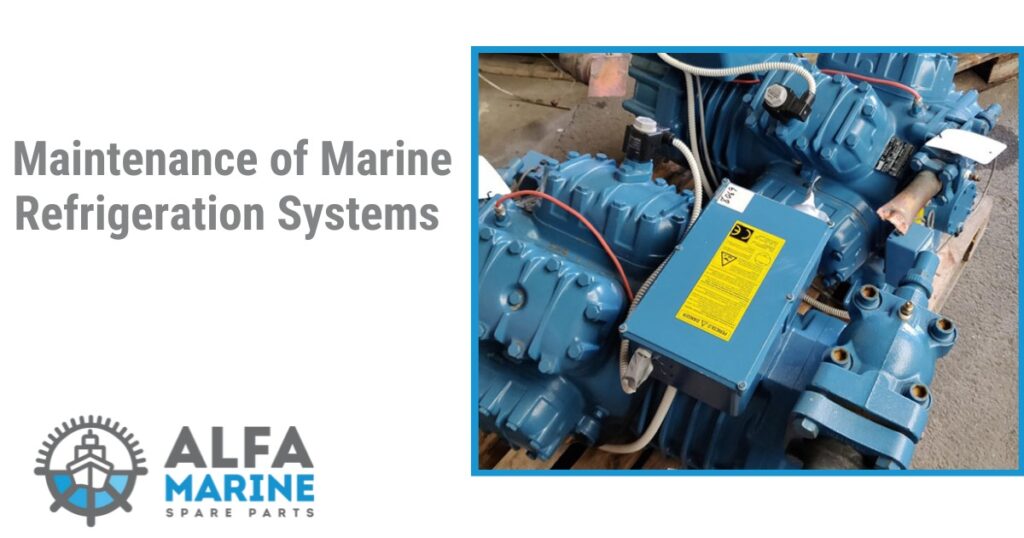
These structures use water from the surrounding surroundings to cool the refrigerant. They are efficient but require a steady supply of water, which won't be available in all locations.Maintenance of Marine Refrigeration Systems:
Regular Cleaning:
Keep the condenser coils, evaporator coils, and other additives smooth to make sure green heat switch and prevent corrosion.Checking Refrigerant Levels:
Monitor the refrigerant stages and pinnacle up if necessary to keep gold standard cooling overall performance.Inspecting Seals and Gaskets:
Check the seals and gaskets frequently for symptoms of wear or harm and replace them as had to save you from leaks.Lubricating Moving Parts:
Keep the compressor and other moving elements nicely lubricated to lessen friction and expand their lifespan.Checking for Leaks:
Periodically look at the machine for leaks and repair them right away to save you lots of refrigerant and inefficiency.Calibrating Thermostat:
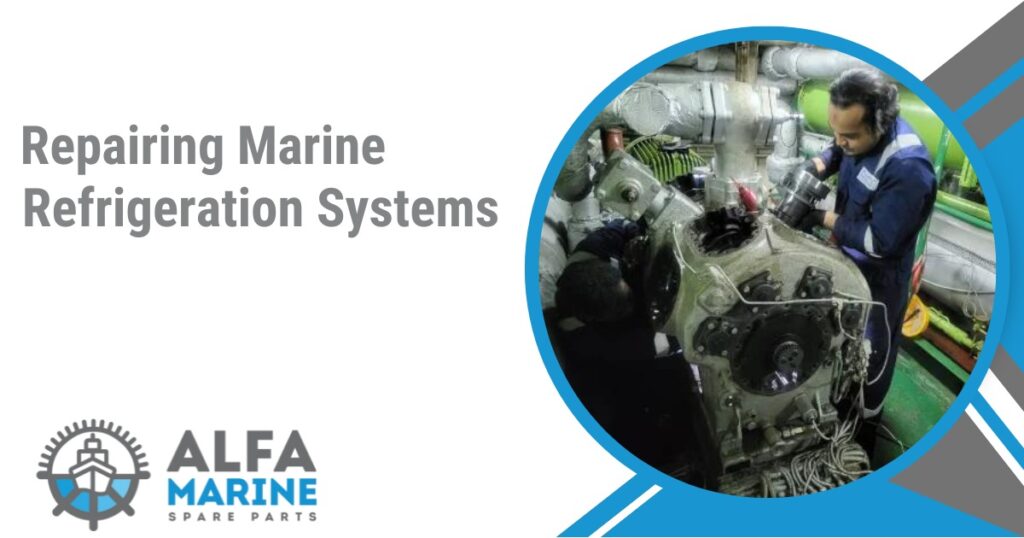
Ensure the thermostat is calibrated efficaciously to hold the popular temperature and prevent overcooling or undercooling.Repairing Marine Refrigeration Systems: