
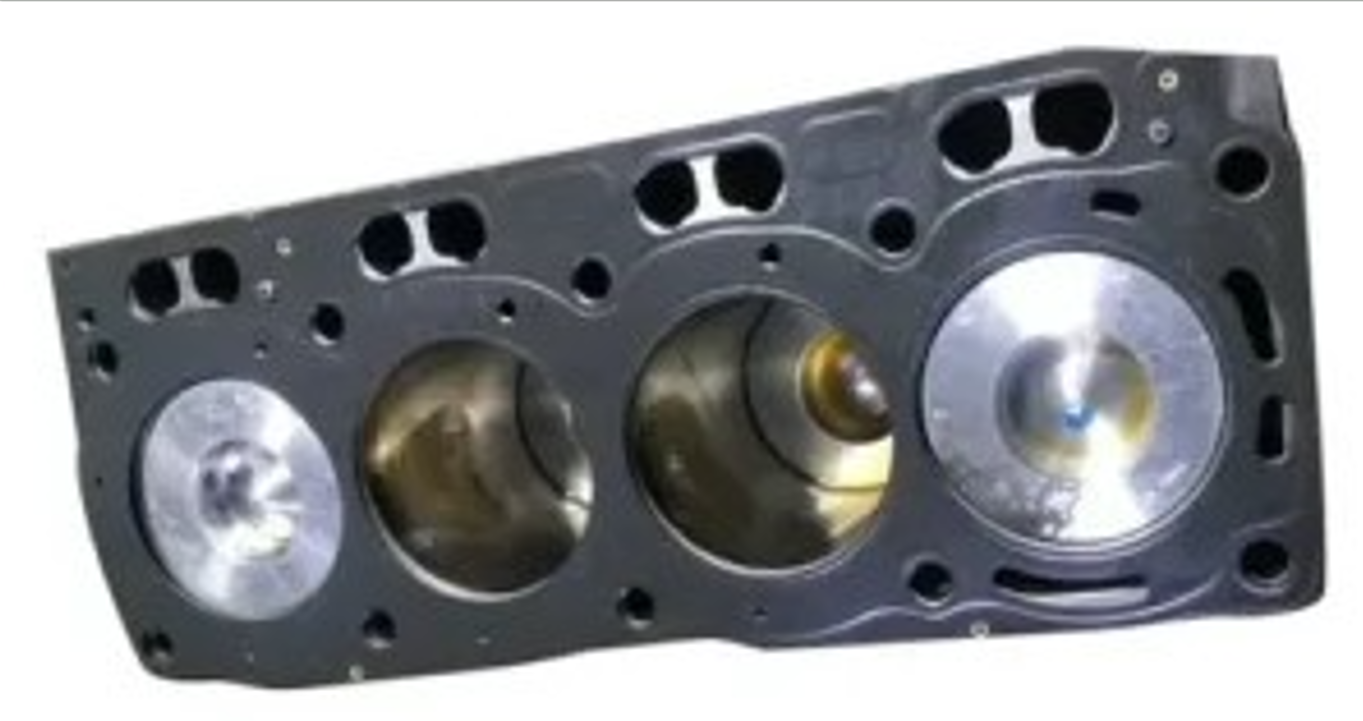

A vessel is a dead one without a high-performing internal combustion engine. But at the core of every marine engine lies a robust engine block a.k.a. cylinder block. A marine cylinder block is a sturdy, durable and thin-walled scaffold usually available in cast iron or aluminium alloy materials. This integral part is the fundamental framework for housing the vital engine components – cylinder, connecting rods, pistons, etc. In this blog post, we delve into the basics of marine engine blocks, their prime components, and their significance in the engine room.
Components of Marine Cylinder Blocks
- Cylinder Bore – It is a type of cavity within the engine block for pistons during internal combustion.
- Crankcase – It is the crankshaft housing located at the base of the engine block.
- Cylinder Head Deck – The top surface of the cylinder block for screwing the cylinder head.
- Coolant Passages – Channels and chambers for circulating the coolant along the heated combustion chamber to maintain the accurate engine temperature.
- Oil Passages – Channels and galleries to regulate the flow of engine lubricating oil to the bearings and pistons to prevent friction and heating.
- Main Bearing Caps – The bearing caps are mounted below the engine block to retain the crankshaft along the precise alignment and prevent vibrations.
- Camshaft Bearings – Similar to the crankshaft bearing, these components maintain the camshaft alignment for accurate valve actuation.
- Accessory Mounting Points – These points connect the engine to the alternator, ancillary components (electrical circuits, air conditioning), engine mounts, etc.
- Freeze Plugs – These plugs allow extra room for the freezing coolant in winter to prevent breaking or crushing along the engine block lining. Moreover, the plugs offer passage for engine cleaning during overhauls.
- Reinforcing Ribbing – These ribbings along the cylinder bores and bearings add durability to the block layout, offering extended lifecycle and stress resistance.
- Exhaust Ports – These ports allow passage of the exhaust gases from the combustion space to the exhaust manifold.
- Machinery Marks – These marks provide instructions for the engine part installation and assembly.