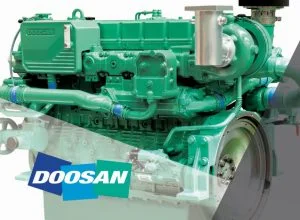
Faulty operation and malfunctioning in spare parts may occur at any time in your marine engine. Nevertheless, the vessel owners can avoid complications and engine failure by conducting scheduled maintenance. Such occurrences are common for equipment from even the top brands. Running the engine for extended periods without a break, missing the maintenance schedules, and delaying upgrading to modern tools are some reasons for machinery failure onboard. Problems with Doosan marine engines are often minor and can be easily addressed by employing a few handy tips. It is all about knowing the proper measures to deal with your engine parts. Here, we provide an in-depth troubleshooting guide for Doosan Marine Engines, specifically for the L136, L136T, L136TL, L136TI, and L086TI models. However, if you encounter any issues, we strongly recommend scheduling a diagnosis and repair session with a professional technician. And if you are concerned about sourcing genuine Doosan spare parts, Alfa Marine Spare Parts has everything ready in its inventory. You can be confident in the quality and reliability of our products, which help keep your engine healthy and efficient for years to come.
Signs of Low Oil Pressure in Doosan Marine Engines
Real-time Alerts at the Low Oil Pressure Indicator
The best way to get early notification of low oil pressure is to install an oil pressure switch (sensor). It sends a signal to the low oil pressure indicator when the pressure drops below the normal range. Doosan marine engines usually require a minimum pressure range of 3-5 bar (3-5 kg/cm²) during operation. The exact amount of oil pressure required also depends on the rated speed. When the engine is idle, the expected pressure range is 0.5-1 bar (0.5-1 kg/cm²). If the pressure drops below this slab, an indicator lamp on the dashboard sends a notification to the vessel operator. Also, check the readings for any unusual fluctuation in the oil pressure.Crankcase Oil Level is Low
The oil pressure switch may become faulty without showing any signs of damage. As an additional safety measure, it is always advisable to monitor the oil level in the engine's crankcase to detect problems early.Unusual Engine Sounds and Vibration
Vibration and noise are inherent to daily engine operation. However, the internal engine parts may produce grinding, knocking, or ticking noises due to a low lubricating oil level. The spare parts may collide or rub against adjacent surfaces, boosting friction, wear, and noise.Poor Engine Efficiency and Excessive Heating
The low energy output after successive combustion is an early sign of low lube oil supply in the crankcase. Collision and friction among the engine components also raise thermal stress. In severe cases, thick smoke and high amounts of exhaust gases may emanate from the engine.How to Fix Faulty Oil Pressure Issues in Marine Engines
Multiple faulty conditions may occur when the lubricating oil level in the crankcase drops below its recommended level. Here is an overview of different low oil pressure problems with recommended troubleshooting measures:#1. The Indicator Lamp is Illuminated at Idle Pressure
An illuminated lamp sign on the dashboard indicates low lubrication oil pressure based on signals from the oil level switch. If the engine is running at high speed, reduce the speed as soon as possible. Even during low-pressure operation, it is best to shut down the engine as quickly as possible to prevent damage. You can do the same thing when the idle pressure is lower than 1 bar.#2. Inconsistent Reading or Low Pressure at High RPM
There can be one or more unattended issues for these problems. A diagnosis for the problem involves checking multiple pieces of equipment and spare parts.- Inspect the fluid supply pumps, hoses, and relief valves for proper operation. Internal wear, corrosion, or clogging may cause the monitoring system to produce inaccurate readings.
- Check the filters for worn-out components and blockage in the cartridge. If you have not replaced the filter element for too long, it is time to monitor the part and consider using an OEM replacement part.
- The pump gears or the bearing may be worn out.