Why Is My Caterpillar C18 Running Hot? Check the Seawater Pump First
If your Caterpillar C18 marine engine is running hotter than usual, don't immediately assume the thermostat or heat exchanger is to blame. One of the first components experienced marine engineers inspect is the seawater pump.
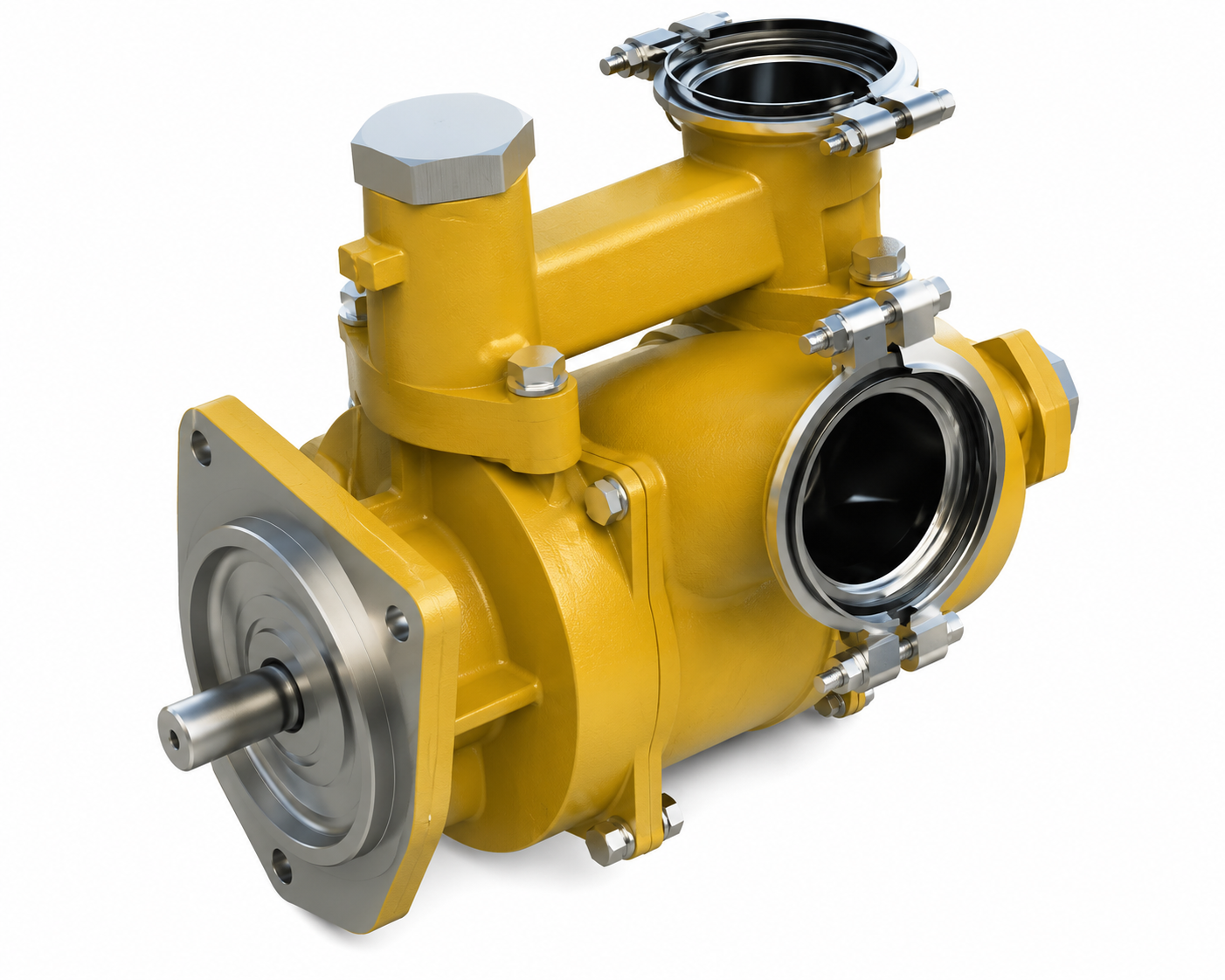
The seawater pump is responsible for supplying cooling water to the engine's heat exchanger. When it begins to wear, the cooling system becomes less efficient, increasing the risk of overheating, reduced engine performance, and expensive repairs.
The good news is that a failing seawater pump usually gives warning signs before complete failure. Recognizing these signs early can help prevent unexpected downtime and keep your vessel operating safely.
What Does the Caterpillar C18 Seawater Pump Do?
Unlike the closed freshwater cooling circuit, the seawater pump continuously draws seawater through the intake system and sends it through the heat exchanger. The seawater absorbs heat from the engine coolant before being discharged overboard.
Without sufficient seawater flow, the cooling system cannot remove heat effectively. As temperatures rise, engine components such as the cylinder head, turbocharger, aftercooler, and exhaust system can be placed under additional stress.
The seawater pump is therefore one of the most important components in the C18 cooling system.
How Does the Seawater Pump Work?
The Caterpillar C18 seawater pump is driven by the engine and contains an impeller that rotates inside the pump housing. As the impeller turns, it creates suction, drawing seawater into the cooling circuit.
The seawater then flows through:
- Seawater strainer
- Seawater pump
- Heat exchanger
- Aftercooler (depending on engine configuration)
- Exhaust cooling system
- Overboard discharge
Any restriction or wear within this circuit can reduce cooling efficiency.
Why Do Caterpillar C18 Seawater Pumps Fail?
Although seawater pumps are built for harsh marine environments, they experience continuous exposure to saltwater, sand, debris, and varying operating temperatures.
Common causes of failure include:
Worn Impeller
The rubber impeller is considered a service item. Over time, the blades harden, crack, or lose flexibility, reducing seawater flow.
Corrosion
Saltwater naturally causes corrosion. If the cooling system is not maintained properly, corrosion can damage the pump housing and internal components.
Bearing Wear
Bearings rotate continuously while the engine is running. As operating hours increase, worn bearings may create vibration or noise.
Damaged Shaft Seals
A leaking shaft seal often allows seawater to escape around the pump housing. Small leaks should never be ignored because they usually become worse over time.
Debris in the Cooling System
Marine growth, shells, seaweed, sand, and other debris can restrict seawater flow or damage the impeller.
Dry Running
Running the engine without an adequate seawater supply—even for a short period—can permanently damage the impeller.
Common Warning Signs
Many seawater pump failures develop gradually.
Watch for these symptoms:
- Engine temperature increasing above normal
- Reduced cooling water discharge from the exhaust
- Water leaking around the pump
- Grinding or bearing noise
- Overheating alarms
- Steam around the engine
- Corrosion deposits near the pump
- Reduced engine performance under load
If these symptoms appear, inspect the complete cooling system before continuing operation.
What Else Should You Inspect?
A seawater pump should never be inspected by itself. Cooling system problems can originate elsewhere.
When diagnosing a Caterpillar C18 cooling issue, also inspect:
- Seawater intake
- Seawater strainers
- Heat exchanger tubes
- Aftercooler
- Thermostats
- Expansion tank coolant level
- Cooling hoses
- Hose clamps
- Cooling system pressure cap
- Belt condition (where applicable)
According to Caterpillar maintenance guidance, regular inspection of both the freshwater and seawater circuits is essential to maintain efficient engine cooling. Cooling systems should also be flushed whenever contamination, overheating, or excessive scale is found.
Preventive Maintenance Checklist
A simple maintenance routine can greatly extend the life of your seawater pump.
✔ Inspect seawater strainers before every voyage.
✔ Check for leaks around the pump housing.
✔ Inspect the impeller during scheduled maintenance.
✔ Replace damaged or cracked impellers immediately.
✔ Flush the cooling system if contamination is present.
✔ Inspect bearings for excessive play.
✔ Remove marine growth from seawater inlets.
✔ Verify strong cooling water discharge after engine startup.
✔ Monitor engine temperature during operation.
Preventive maintenance costs far less than repairing an overheated engine.
Marine Engineer Tip
One of the easiest ways to detect cooling problems is by observing the amount of seawater discharged from the exhaust outlet after starting the engine.
A noticeable reduction in water flow often indicates a blocked intake, damaged impeller, or restricted cooling system. Investigating the cause early can prevent serious overheating and avoid unnecessary repairs.
Common Mistakes
Even experienced operators occasionally overlook small issues that later become expensive repairs.
Avoid these common mistakes:
- Ignoring a minor water leak.
- Continuing to run an overheating engine.
- Delaying impeller replacement.
- Forgetting to clean seawater strainers.
- Running the engine without seawater after maintenance.
- Replacing the pump before checking the heat exchanger or thermostat.
A complete inspection often saves both time and money.
Frequently Asked Questions
How long does a Caterpillar C18 seawater pump last?
There is no fixed service life. The lifespan depends on operating hours, water quality, maintenance practices, and the environment in which the vessel operates.
Can a seawater pump be rebuilt?
Yes. Many pumps can be rebuilt by replacing seals, bearings, wear plates, and impellers, provided the housing and shaft remain within service limits.
How often should the impeller be inspected?
Most marine engineers inspect the impeller during annual maintenance or sooner if the vessel operates in sandy, shallow, or debris-filled waters.
Can a bad seawater pump cause engine overheating?
Absolutely. Reduced seawater flow limits the heat exchanger's ability to remove heat from the engine coolant, causing engine temperatures to rise.
Should I replace the pump if only the impeller is worn?
Not necessarily. If the housing, bearings, and shaft are still in good condition, replacing only the impeller may restore proper performance. Always inspect the complete pump before deciding.
Browse Our Complete Spare Parts Catalog
Looking for more than just a Caterpillar C18 seawater pump?
Alfa Marine Spare Parts supplies genuine, OEM, aftermarket, and reconditioned spare parts for leading marine engine brands, including Caterpillar, MTU, Wärtsilä, MAN, Cummins, Volvo Penta, Scania, Perkins, Detroit Diesel, Deutz, Doosan, Mitsubishi, and Yanmar.
Whether you need seawater pumps, turbochargers, injectors, cylinder heads, pistons, crankshafts, bearings, or overhaul components, explore our complete inventory:
👉 https://alfamarinespareparts.com/spareparts
Why Choose Alfa Marine Spare Parts?
Marine professionals worldwide trust Alfa Marine Spare Parts for reliable engine components and technical support.
We provide:
- Genuine, OEM, aftermarket, and reconditioned marine engine spare parts
- Worldwide shipping
- Support for commercial vessels, workboats, fishing vessels, offshore operators, ferries, yachts, and government fleets
- Assistance identifying the correct parts for your engine
- Experienced support for shipowners, chief engineers, technical superintendents, and shipyards
Contact Alfa Marine Spare Parts
Need help finding the correct Caterpillar C18 seawater pump or another cooling system component?
🌐 Website: https://alfamarinespareparts.com
📧 Email: request@alfamarinespareparts.com
Our team is ready to help you identify the right spare parts for your Caterpillar marine engine.
Conclusion
The Caterpillar C18 seawater pump is one of the most critical components in the engine's cooling system. While it is designed for demanding marine environments, regular inspection and maintenance are essential to ensure reliable operation. By checking the impeller, bearings, seals, and the entire cooling circuit, you can identify problems before they lead to overheating or costly engine damage.
For vessel owners, marine engineers, and fleet operators, preventive maintenance is always the most cost-effective way to maximize engine reliability and reduce unplanned downtime.