3512 Marine Engine Parts: Which Components Wear Out First and How Can You Make Them Last Longer?
3512 Marine Engine Parts: What Every Marine Engineer Should Know
If you've owned or maintained a 3512 marine engine, you already know it's built for demanding applications. Whether it's powering a tugboat, commercial fishing vessel, offshore support vessel, or large yacht, the 3512 has earned its reputation for durability.
But here's something experienced marine engineers will tell you:
Even the toughest engine depends on the condition of its parts.
Many unexpected breakdowns don't happen because the engine is poorly built—they happen because one worn component is ignored for too long.
So, which 3512 marine engine parts deserve the most attention?
Let's answer the questions engineers ask every day.
What are the most important 3512 marine engine parts?
Every component inside the engine has an important role, but some parts work harder than others.
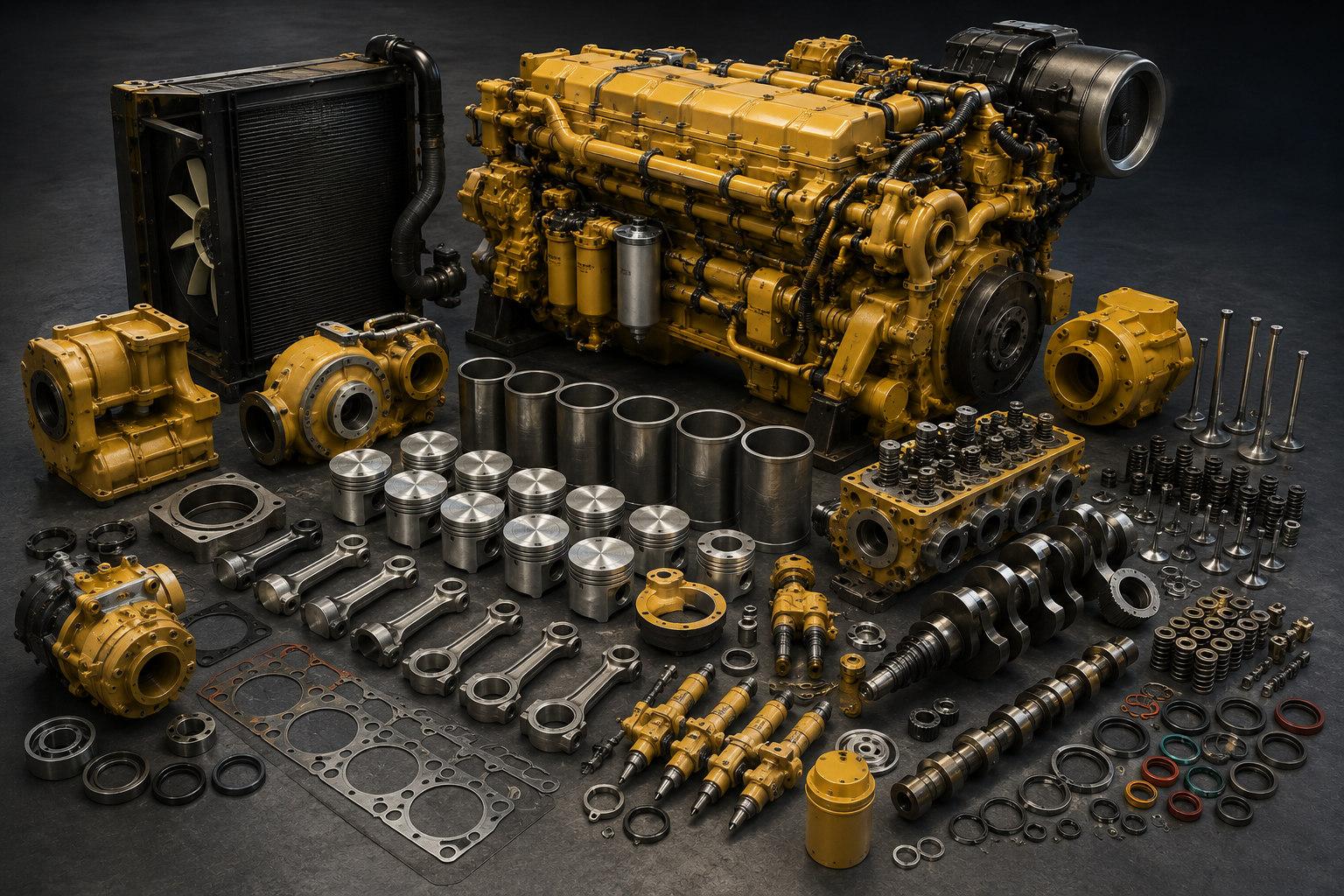
The most critical 3512 marine engine parts include:
- Pistons
- Cylinder liners
- Piston rings
- Cylinder heads
- Fuel injectors
- Turbochargers
- Water pumps
- Oil pumps
- Bearings
- Camshaft components
- Valves
- Heat exchangers
- Gaskets and seals
When these parts are maintained properly, the engine can provide thousands of reliable operating hours.
Which 3512 marine engine parts wear out the fastest?
Not every component wears at the same rate.
Parts exposed to heat, pressure, friction, and constant movement naturally experience more wear.
These often include:
- Fuel injectors
- Piston rings
- Cylinder liners
- Water pump impellers
- Turbocharger bearings
- Oil seals
- Gaskets
The actual service life depends on engine load, maintenance, fuel quality, lubrication, and operating conditions.
An engine operating continuously under heavy commercial loads will usually require attention sooner than one used occasionally.
Why are regular inspections so important?
Think of your engine as a team.
Every component relies on another.
If one part begins to fail, it often affects several others.
For example:
A leaking water pump may eventually cause overheating.
Overheating can affect cylinder heads.
Cylinder head damage can then lead to gasket failure.
What began as a relatively small repair can become a major engine overhaul.
That's why experienced engineers prefer finding small problems early rather than waiting for larger ones to develop.
Which 3512 marine engine parts are involved in engine cooling?
Cooling is one of the most important systems on any marine diesel engine.
Several 3512 marine engine parts work together to control engine temperature, including:
- Heat exchangers
- Seawater pumps
- Freshwater pumps
- Thermostats
- Coolant hoses
- Expansion tank components
If one cooling component begins losing efficiency, the entire system can be affected.
A rising temperature gauge should never be ignored.
How do fuel system parts affect engine performance?
The fuel system delivers precisely measured diesel fuel to every cylinder.
Important fuel-related 3512 marine engine parts include:
- Fuel injectors
- Fuel transfer pumps
- Fuel filters
- Fuel lines
When these components remain clean and properly maintained, combustion stays efficient.
However, contaminated fuel or restricted filters can reduce power, increase fuel consumption, and produce excessive exhaust smoke.
Clean fuel is one of the simplest ways to protect expensive engine components.
Why is the lubrication system so important?
Many people think engine oil simply reduces friction.
It actually does much more.
Oil helps:
- Lubricate moving components
- Carry heat away from bearings
- Reduce wear
- Protect against corrosion
- Remove contaminants
Critical lubrication-related 3512 marine engine parts include:
- Oil pump
- Oil cooler
- Oil filters
- Bearings
- Lubrication galleries
Without proper lubrication, engine wear increases rapidly.
Can poor maintenance shorten the life of engine parts?
Absolutely.
Most engine parts don't suddenly fail without warning.
Poor maintenance is often the real cause.
Examples include:
- Delaying oil changes
- Ignoring coolant maintenance
- Using contaminated fuel
- Skipping filter replacements
- Ignoring warning alarms
- Continuing to operate an overheating engine
Routine maintenance is almost always less expensive than replacing major engine components.
What warning signs should you never ignore?
Your engine usually tells you when something isn't right.
Common warning signs include:
- Low oil pressure
- High coolant temperature
- Black exhaust smoke
- White exhaust smoke
- Blue exhaust smoke
- Loss of engine power
- Hard starting
- Increased fuel consumption
- Unusual engine noises
- Coolant leaks
- Oil leaks
These symptoms don't always point to a single failed part, but they do indicate that the engine needs attention.
Early diagnosis often prevents larger repairs.
How often should 3512 marine engine parts be inspected?
Inspection intervals vary depending on engine hours and operating conditions.
However, experienced marine engineers generally inspect major systems during scheduled maintenance.
Typical inspections include:
- Checking fluid levels
- Inspecting belts and hoses
- Looking for oil or coolant leaks
- Monitoring engine temperatures
- Inspecting turbochargers
- Examining fuel filters
- Testing injectors when required
- Checking cooling system performance
Routine inspections often reveal small issues before they become serious.
Should genuine-quality replacement parts matter?
They certainly do.
Precision components such as injectors, bearings, pumps, seals, and gaskets are manufactured to work within very specific tolerances.
Using quality replacement 3512 marine engine parts helps maintain:
- Correct engine performance
- Reliable lubrication
- Proper cooling
- Fuel efficiency
- Long-term durability
Choosing quality parts is an investment in the overall health of the engine.
How can you extend the life of 3512 marine engine parts?
The answer isn't complicated.
Consistency is the key.
Good maintenance habits include:
- Change engine oil at recommended intervals.
- Replace filters on schedule.
- Keep the cooling system clean.
- Monitor engine gauges during operation.
- Investigate warning alarms immediately.
- Use clean, high-quality diesel fuel.
- Inspect hoses, pumps, and belts regularly.
- Perform preventative maintenance instead of waiting for failures.
Small maintenance tasks performed regularly often prevent large repair bills later.
Final Thoughts
The 3512 marine engine has earned a reputation for reliability in some of the world's toughest marine environments. But like any diesel engine, its performance depends on the condition of its individual components.
Looking after your 3512 marine engine parts isn't just about preventing breakdowns—it's about protecting your investment, improving fuel efficiency, and keeping your vessel operating safely and reliably.
The best approach is simple: inspect regularly, respond to warning signs early, and follow a consistent maintenance schedule. When you take care of the small parts, the entire engine has a much better chance of delivering thousands of dependable service hours.